
How to Restore Water-Damaged Wood: When to Call a Professional
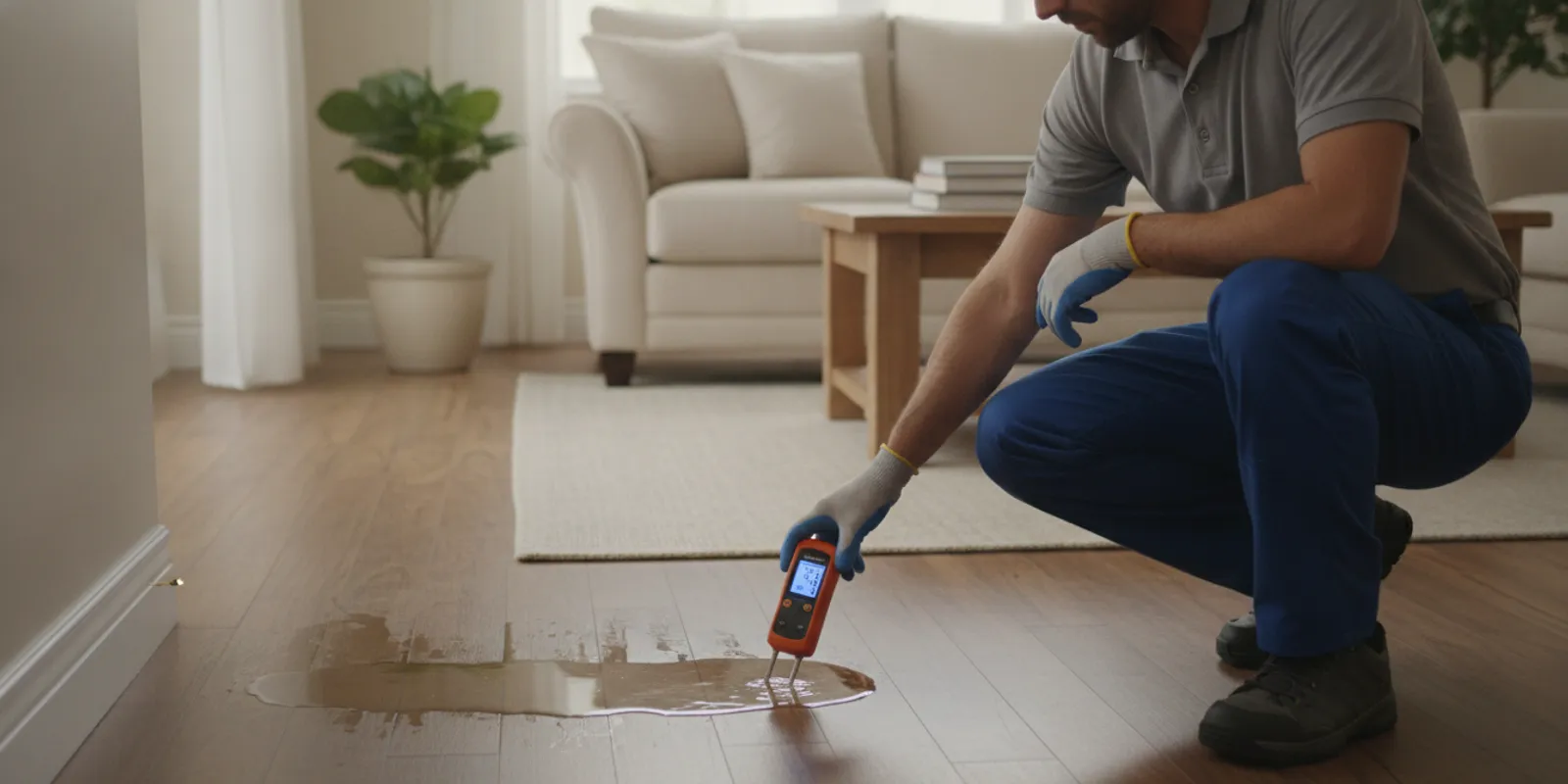
Knowing how to restore water damaged wood starts with finding the source and limiting further exposure, not covering the affected area. Water may leave wood swollen, stained, warped, or soft, and damage can extend to flooring layers or nearby building materials. If you are dealing with a leak or flood, document what you can and consider the condition of the entire area before attempting repairs.
Request a water-damage assessment
What should you do first?
Start with safety and documentation. If water is still entering, stop it only if you can do so safely. Avoid standing water near electrical outlets, appliances, or wiring. If the area may be unsafe, leave it and contact the appropriate emergency service or a qualified professional.
- Take clear photos and notes before moving items or starting cleanup, if safe.
- Record when the leak or flooding began, when it was discovered, and what you know about the water source.
- Move portable belongings out of the wet area when practical, and keep them separate from damp materials.
- Do not sand, paint, seal, or refinish wood while it is wet. Those steps can hide moisture rather than resolve it.
Keep receipts and any relevant repair or mitigation records. If an insurer may be involved, contact them about documentation and next steps; coverage and claim decisions depend on the policy and circumstances.
How can you dry wet wood?
Drying is not simply a matter of waiting until the surface feels dry. Moisture may remain below the finish, between flooring boards, or in the subfloor and adjacent wall materials. The appropriate response depends on the source, duration, and extent of the damage, as well as the construction and condition of the wood.
For a small, clean-water spill caught promptly, you may be able to blot up liquid and improve airflow in the room. Use fans or a dehumidifier only when the area is safe and the equipment can be operated according to its instructions. Do not use high heat or direct flame to speed drying; rapid, uneven drying can further stress wood. If water has reached multiple rooms, soaked flooring or walls, or remained for an extended period, get an assessment rather than assuming surface drying is enough.
Wood can change shape as it absorbs and loses moisture. Boards may cup, buckle, separate, or lift. These signs do not by themselves show whether the material can be saved. A careful evaluation may need to include the flooring, underlayment, subfloor, baseboards, and nearby furnishings or finishes.
When is DIY cleanup not enough?
Consider professional help when the affected area is large, water came from a source you cannot identify, materials are still damp, or flooring has visibly changed shape. Prompt assessment is also important when water may have entered cavities or layers you cannot inspect. Contaminated water calls for a different response than a small clean-water spill; avoid direct contact and do not treat it as an ordinary household cleanup.
A restoration professional can inspect affected areas, discuss water removal and drying options, and explain what may need further repair. Cahill's water-damage restoration service describes extraction, structural drying, moisture monitoring, and documentation support. The exact work depends on the conditions found on site; an assessment is not a promise that every wood surface can be restored.
For a basic overview of floor concerns after water exposure, see the University of Michigan's guidance on repairing floors after water damage. It discusses floor buckling or unevenness and steps associated with floor cleaning and repair.
What should you ask during an assessment?
Before work begins, ask what areas will be inspected and how the proposed response addresses the source and moisture. Useful questions include:
- Which surfaces and layers appear to be affected?
- What needs to happen first to remove water or reduce ongoing moisture?
- How will drying progress be checked, and what conditions would change the plan?
- Are any items being recommended for removal or repair, and why?
- What documentation can be provided for your records?
Ask for the work scope and estimate before approving service. A qualified assessment should distinguish immediate water removal and drying from later flooring repairs or refinishing. Those are related but not necessarily the same job.
How does the water source affect the response?
A quick response to a small plumbing spill is different from water that has traveled through multiple materials or remained unnoticed. The source helps determine whether cleanup can be approached as a limited spill or requires additional precautions. Duration matters because water can migrate into seams, edges, and concealed spaces. Extent matters because moisture in one board may be only part of a larger affected area.
Do not assume that a floor is ready for refinishing just because the top looks dry. Ask whether underlying materials have been assessed and whether the proposed work is limited to drying, removal, or repair. Cahill's water-damage restoration page describes the service scope; homeowners can also review the frequently asked questions before requesting an estimate.
Ask about water-damage restoration
Water-damaged wood needs a response matched to the source, duration, and extent of the problem. Document the conditions, avoid hiding wet materials, and seek an assessment when damage may extend beyond what you can safely see.