
When Allergy Season Starts Before Spring
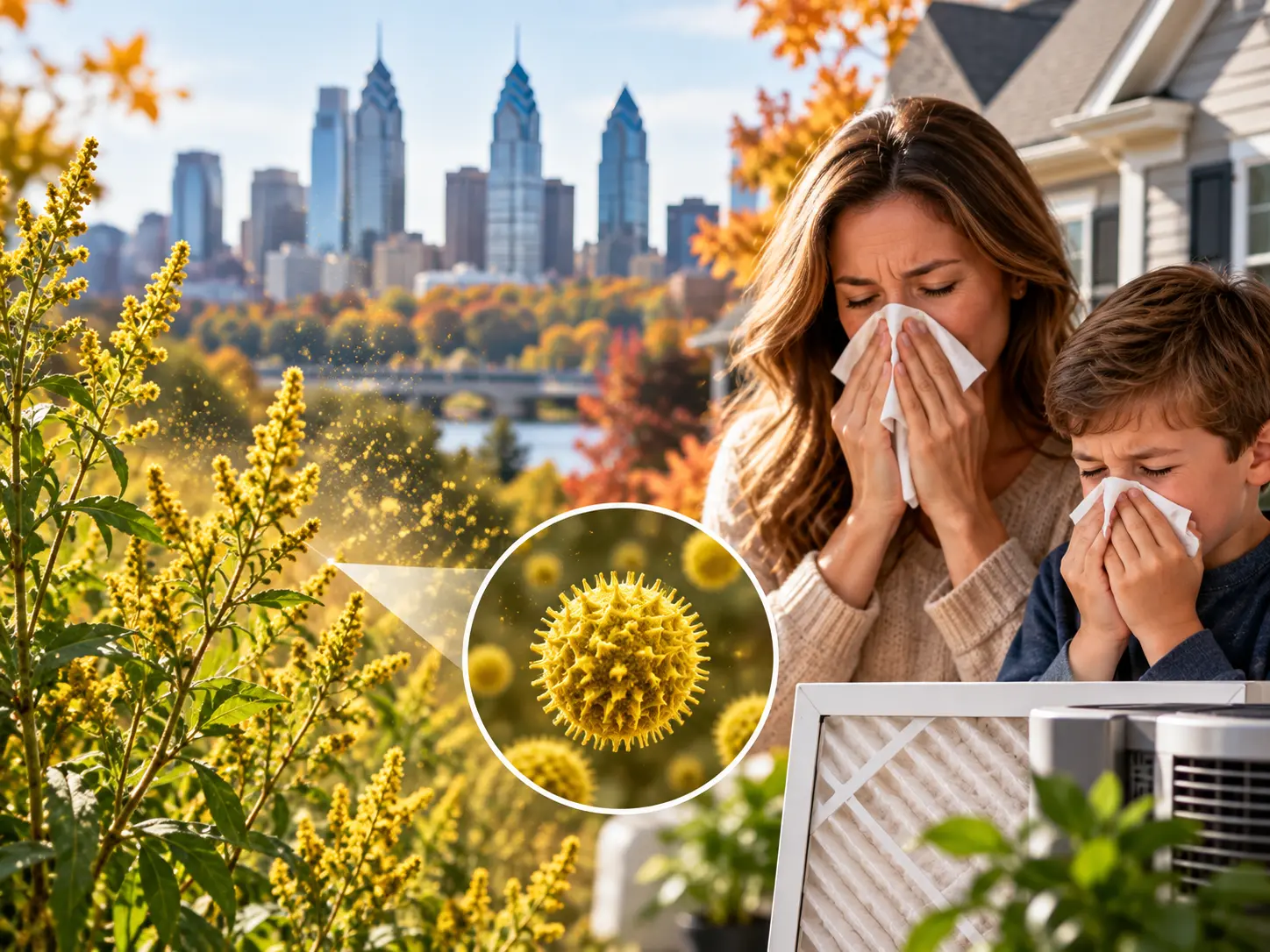
It’s February. The trees haven’t started budding. Pollen counts are at their lowest point of the year. Yet you’re waking up congested, sneezing through your morning coffee, and reaching for tissues constantly. Your eyes are itchy, your sinuses feel like they’re packed with cotton, and you can’t figure out why your allergies are acting up months before spring officially arrives.
If this sounds familiar, you’re not imagining things—and you’re definitely not alone. Montgomery County allergists report seeing patients year-round now, with winter visits increasing significantly over the past decade. The culprit isn’t outdoor pollen or ragweed. It’s something much closer to home.
The problem is trapped indoor allergens. And for Philadelphia, Bucks County, and Montgomery County homeowners who seal up their homes every winter, these microscopic triggers are accumulating faster than you realize.
In our 45+ years serving families throughout the Philadelphia area since 1980, we’ve watched this pattern intensify. Modern energy-efficient homes, while great for utility bills, have become allergen concentration chambers during cold months. Here’s what’s really happening—and what you can do about it.
What Are Trapped Indoor Allergens?
Indoor allergens are microscopic particles that trigger immune responses in sensitive individuals. Unlike outdoor allergens that follow seasonal patterns, indoor allergens persist year-round—but winter conditions amplify their impact dramatically.
According to the American Lung Association, roughly 84 percent of U.S. homes contain detectable levels of dust mite allergens. The Asthma and Allergy Foundation reports that approximately 20 million Americans suffer from dust mite allergies specifically, while up to 30 percent of the population is allergic to cats and dogs.
The most common indoor allergens affecting Bucks County and Montgomery County homes include:
Dust mites: These microscopic creatures thrive in bedding, upholstered furniture, and carpets. A single gram of dust can contain up to 19,000 dust mites. They feed on shed skin cells and produce waste particles that become airborne when disturbed—particles small enough to remain suspended in the air and easily inhaled.
Pet dander: With nearly 62 percent of American households owning pets (over 161 million cats and dogs), pet allergens are widespread. Pet dander particles are microscopic, jagged in shape, and remarkably persistent—they stick to furniture, fabrics, and even travel on clothing to homes without pets.
Mold spores: While outdoor mold becomes dormant in winter, indoor mold thrives in damp areas like bathrooms, basements, and around windows where condensation forms. Mold releases lightweight spores that circulate through your HVAC system.
Accumulated debris in carpets and upholstery: Your carpets act as giant filters, trapping allergens that settle from the air. Without professional deep cleaning, these allergens accumulate and are released back into the air every time you walk across the room or sit on furniture.
Why Winter Makes Indoor Allergies So Much Worse
Understanding why your allergies flare up in winter requires looking at how modern homes function during cold months. Several factors combine to create what allergists call a “perfect storm” for indoor allergen exposure.
1. Sealed Homes Trap Allergens Inside
When temperatures drop across Philadelphia, Doylestown, Warminster, and throughout the region, homeowners seal windows, doors, and any drafts to conserve heat. According to the EPA, this weatherization reduces outdoor air infiltration—but it also prevents indoor air pollutants from escaping.
The EPA notes that after weatherization, concentrations of indoor air pollutants can actually increase because there’s no fresh air to dilute emissions from indoor sources. What stays in your home stays in your lungs—allergens that would naturally escape during warmer months become trapped and concentrated.
2. Your HVAC System Becomes an Allergen Delivery System
Your heating system doesn’t create allergens—it distributes what already exists in your home. When forced-air furnaces run constantly during winter, they pull air through ductwork that may contain months or years of accumulated dust, pet dander, and mold spores.
Every time your heat kicks on, it can stir up dust mites and their waste particles, circulating them through every room. If filters aren’t changed regularly or if ducts haven’t been cleaned, your HVAC system essentially broadcasts allergens throughout your living space with each heating cycle.
This is why many Jenkintown, Abington, and Willow Grove homeowners notice symptoms worsen soon after turning on the heat—or feel fine outside but develop congestion within minutes of returning home.
3. Dry Winter Air Irritates Airways
Cold winter air holds less moisture, and indoor heating further dries out the air inside your home. This dry air irritates the lining of your nose and sinuses, making nasal passages more sensitive to allergens. When your airways are already inflamed from dryness, even low levels of allergens can trigger stronger reactions.
The Mayo Clinic notes that dry air can cause persistent congestion, postnasal drip, and sinus pressure—symptoms easily mistaken for a cold. This irritation creates a vulnerability that makes allergen exposure more impactful.
4. More Time Indoors Means More Exposure
According to the EPA, Americans spend approximately 90 percent of their time indoors. During winter, that percentage increases significantly as families stay inside to avoid cold weather. This extended indoor time means prolonged exposure to whatever allergens exist in your home environment.
Additionally, winter means more time with pets indoors. Dogs and cats that might spend hours outside during warmer months are now constant indoor companions—shedding dander continuously onto furniture, bedding, and carpets throughout your Warrington, Newtown, or Horsham home.
5. Carpets and Upholstery Harbor Hidden Allergen Reservoirs
Here’s what most people don’t realize: your carpets and upholstered furniture are functioning as allergen storage systems. Dust mites thrive in carpets because they provide warmth, food (shed skin cells), and protection from light. Bedding, pillows, and upholstered furniture create similar environments.
Regular vacuuming removes surface debris but rarely reaches allergens embedded deep in carpet backing and furniture padding. Without professional hot water extraction that penetrates to the carpet backing, these allergen reservoirs continue releasing particles into your home’s air—especially when disturbed by foot traffic or when someone sits on furniture.
How to Tell If Trapped Allergens Are Affecting Your Home
Identifying whether indoor allergens are causing your winter symptoms requires a systematic approach. Here’s how Bucks County and Montgomery County homeowners can assess their situation:
Track symptom patterns: Do symptoms improve when you leave home and return when you come back? Do they worsen in certain rooms or near air vents? This location-specific pattern often indicates indoor allergen issues rather than illness.
Check symptom duration: Colds typically resolve within 7-10 days. If your congestion, sneezing, and itchy eyes persist for weeks without improvement, allergies—not a virus—are likely the cause.
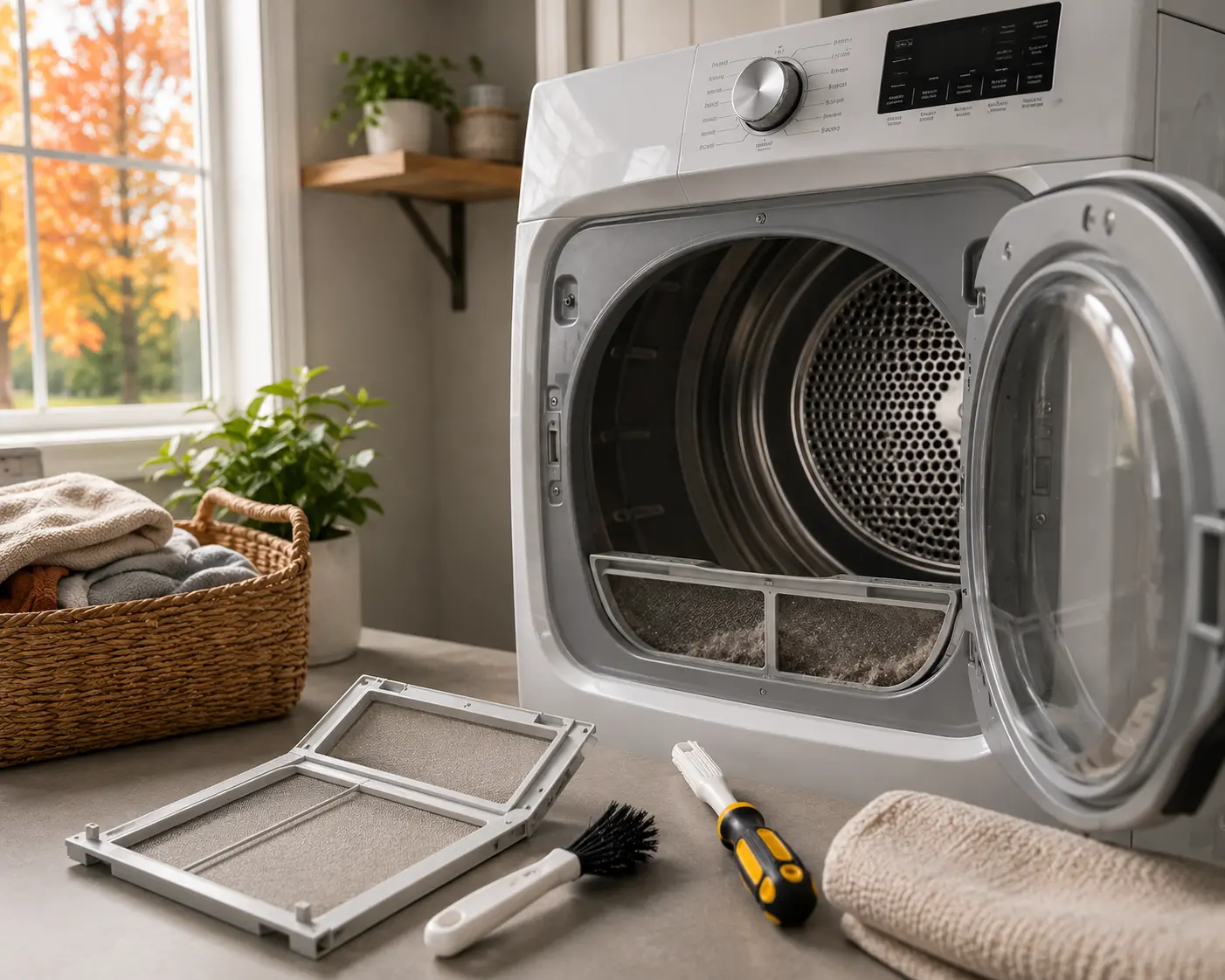
Inspect your air filters: Pull out your HVAC filter and examine it. A heavily clogged filter indicates significant airborne particulates—and whatever isn’t being caught is circulating through your home.
Look for visible dust accumulation: Check air vents and registers. Visible dust buildup around vents suggests ductwork is distributing debris throughout your home. Also examine carpet edges near walls where debris accumulates.
Monitor humidity levels: Use a hygrometer to check indoor humidity. Levels above 50% encourage dust mite and mold growth; levels below 30% dry out airways. Aim for 30-50% for optimal indoor air quality.
Consider timing: If symptoms started or worsened when you began running your heating system, duct contamination is a likely contributor.
How to Reduce Trapped Allergens in Your Home
Addressing winter allergen accumulation requires a multi-pronged approach. Some steps you can take yourself, while others require professional intervention to truly eliminate allergen reservoirs.
DIY Maintenance Steps
Change HVAC filters monthly during heating season. Standard filters should be replaced every 30-60 days when your system runs constantly. Consider upgrading to higher-efficiency filters rated MERV 11-13 to capture smaller allergen particles.
Wash bedding weekly in hot water. Water temperature of at least 130°F is necessary to kill dust mites. This single step can significantly reduce bedroom allergen exposure.
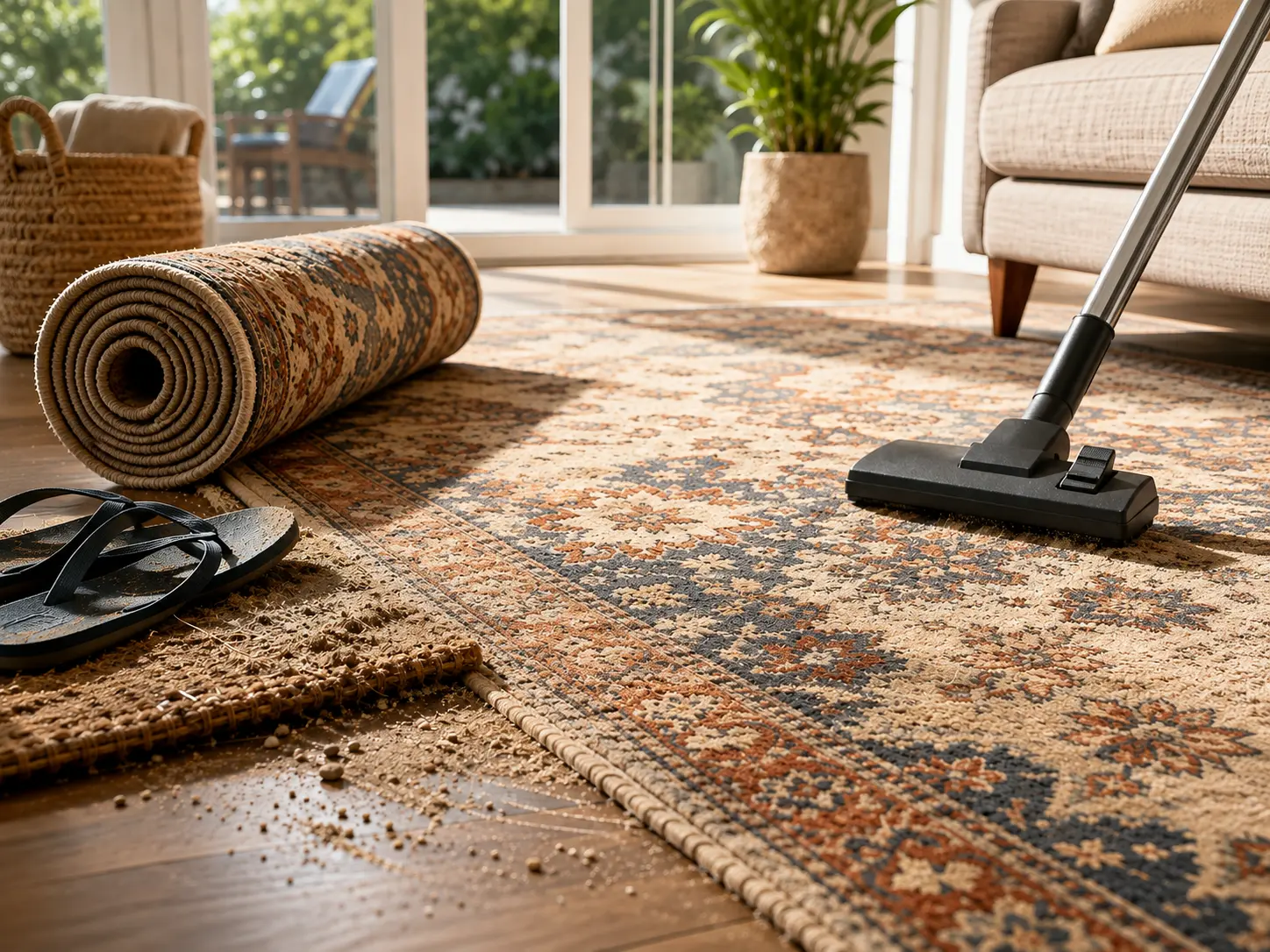
Vacuum with a HEPA filter. Standard vacuums can release fine particles back into the air. HEPA-equipped vacuums trap particles down to 0.3 microns—small enough to capture most allergens.
Control humidity levels. Use a humidifier to add moisture if indoor air is extremely dry, but keep levels below 50% to discourage dust mite and mold growth.
Create pet-free zones. Keeping pets out of bedrooms reduces overnight allergen exposure during your longest stretch of time in one location.
When Professional Cleaning Makes the Difference
DIY maintenance controls day-to-day allergen accumulation, but it can’t address the embedded reservoirs that have built up over months or years. This is where professional cleaning provides results that household methods simply cannot match.
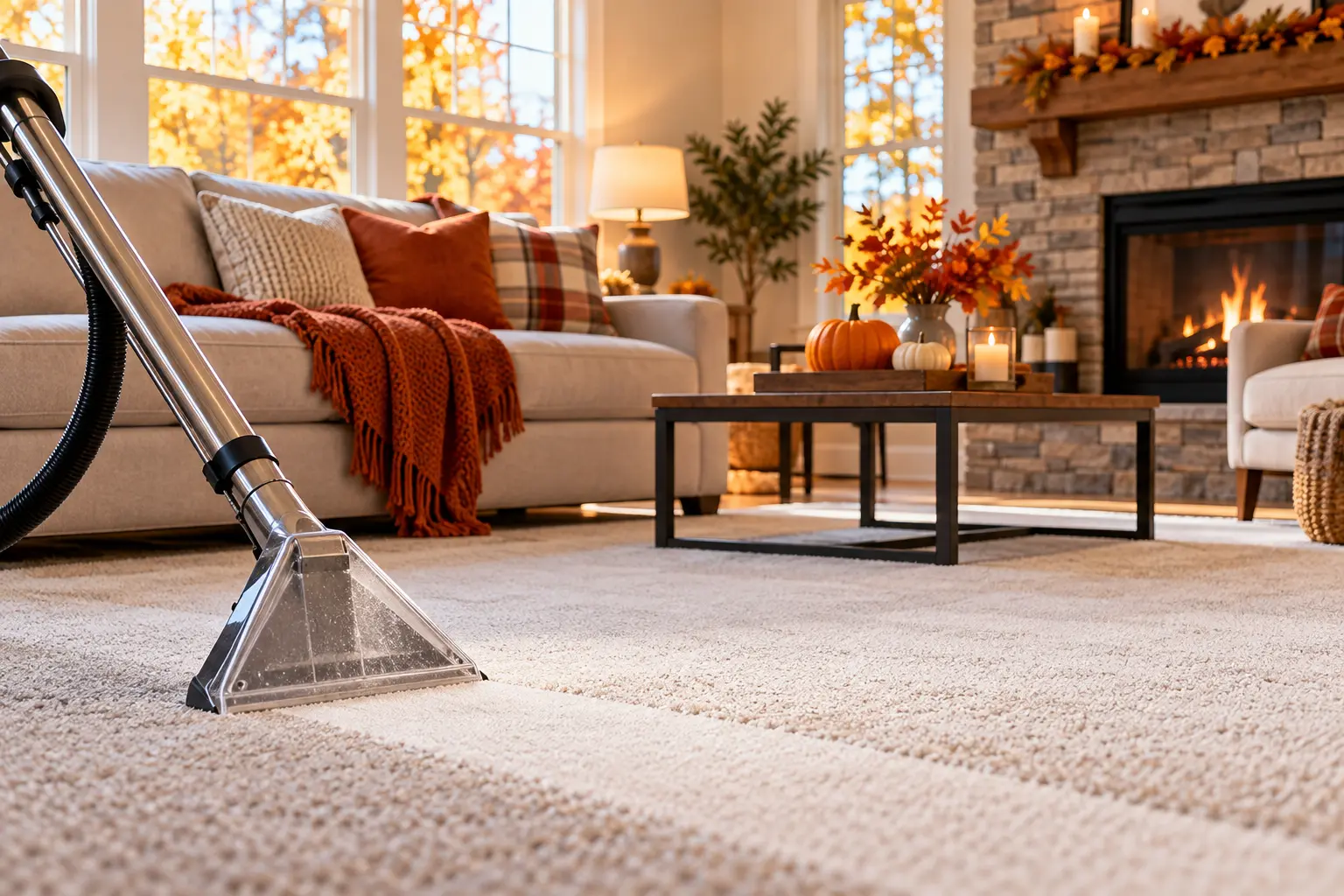
Professional carpet cleaning using hot water extraction (often called steam cleaning) reaches deep into carpet backing where dust mites and their waste accumulate. Our truck-mounted equipment heats water to temperatures that neutralize allergens while powerful extraction removes approximately 95% of moisture along with the debris. Surface cleaning methods—including rental machines—lack the temperature and suction power to achieve this level of deep cleaning.
Upholstery and furniture cleaning addresses the cushions, fabric, and padding where pet dander and dust mites thrive. Every time someone sits down, allergens are released from upholstery into the breathing zone. Professional cleaning removes these embedded particles without damaging delicate fabrics.
Air duct cleaning removes accumulated debris from your HVAC system’s delivery network. When properly performed by trained technicians, duct cleaning stops your heating system from broadcasting allergens throughout your home with every cycle. This is particularly important if you notice symptoms worsen when the heat runs.
Why Philadelphia Area Homeowners Trust Cahill’s
Since 1980, Cahill’s Carpet & Upholstery Cleaning has helped families throughout Philadelphia, Bucks County, and Montgomery County breathe easier in their homes. When Bill Cahill started this family-owned business with a single truck 45+ years ago, he built it on a foundation of thorough work and honest service. Today, our 6-truck fleet and team of IICRC-certified technicians—averaging 11 years of experience each—continue that commitment.
Our approach addresses allergen issues at their source. We use truck-mounted hot water extraction equipment that provides the heat and suction power necessary to remove embedded allergens from carpets and upholstery. We don’t just clean surfaces—we eliminate the reservoirs where dust mites, pet dander, and debris accumulate.
We’ve been recognized as the 2023 Community’s Choice Award Winner and Nextdoor Neighborhood Favorite multiple years running. Our BBB A+ rating since 2011 reflects our commitment to customer satisfaction. But what we’re most proud of is that the majority of our business comes from referrals—satisfied customers who’ve experienced the difference professional allergen removal makes.
As one long-time customer shared: “Cahill carpet cleaning has been cleaning my carpets for over 35 years. They are simply the best in the business! My current home I just recently replaced my carpets after 20 years and they actually still looked great… definitely a credit to Cahill for doing a great job keeping them clean and in great condition.”
Frequently Asked Questions About Winter Allergies and Indoor Allergens
Why are my allergies worse in winter when there’s no pollen outside?
Winter allergies are caused by indoor triggers, not outdoor pollen. When you seal your home against cold weather, allergens like dust mites, pet dander, and mold spores become trapped and concentrated. Your HVAC system then circulates these particles throughout your living space with every heating cycle, leading to continuous exposure.
How do I know if I have allergies or just a winter cold?
Duration and pattern are key indicators. Colds typically resolve within 7-10 days, while allergies persist for weeks. If your symptoms improve when you leave home and return when you come back, or if they worsen in specific rooms or near air vents, indoor allergens are likely the cause rather than a virus.
Can carpet cleaning really help with allergies?
Yes. Carpets trap allergens that settle from the air, functioning as large-scale filters. Without professional deep cleaning, these allergens accumulate and are released back into your breathing zone when carpets are disturbed. Hot water extraction removes embedded dust mites, pet dander, and debris that regular vacuuming cannot reach.
How often should I have my carpets cleaned if someone in my home has allergies?
For households with allergy sufferers, we recommend professional carpet cleaning every 6-9 months rather than the standard 12-18 month interval. Homes with pets should follow a similar schedule. This frequency prevents allergen buildup from reaching levels that trigger significant symptoms.
Does air duct cleaning help with allergies?
When performed properly, yes. Contaminated ductwork distributes allergens throughout your home every time your HVAC system runs. Professional duct cleaning removes accumulated dust, pet dander, and mold from your ventilation system, preventing your heating system from broadcasting these particles into your living space.
What’s the difference between regular vacuuming and professional carpet cleaning for allergen removal?
Vacuuming removes surface debris but cannot reach allergens embedded in carpet backing and padding. Professional hot water extraction uses temperatures above 200°F and powerful suction to penetrate to the carpet backing, removing dust mites, their waste, pet dander, and other allergens that vacuuming leaves behind.
How much does professional carpet cleaning cost in Bucks County?
Cost varies based on square footage, furniture moving requirements, and specific treatment needs. We provide free estimates over the phone for most situations. Call (215) 355-5388 to discuss your specific needs and receive an accurate quote with no obligation.
How long do carpets take to dry after professional cleaning?
Typically 6-12 hours. Our truck-mounted extraction equipment removes approximately 95% of moisture during the cleaning process, significantly reducing drying time compared to portable machines. We recommend running ceiling fans or opening windows if weather permits to speed drying.
Take Control of Your Indoor Air Quality
If your allergies have started early this year—or if you’re tired of constant congestion, sneezing, and itchy eyes during winter months—trapped indoor allergens are likely the cause. You don’t have to suffer through allergy season that never seems to end.
Key takeaways:
- Sealed winter homes concentrate allergens that would naturally escape during warmer months
- Your HVAC system distributes whatever is in your ducts throughout your entire home
- Carpets and upholstery harbor embedded allergen reservoirs that vacuuming cannot remove
- Professional cleaning eliminates allergens at their source, not just on surfaces
Ready to breathe easier? Call Cahill’s Carpet & Upholstery Cleaning at (215) 355-5388 for a free estimate. Our team serves all of Philadelphia, Bucks County, and Montgomery County with professional carpet cleaning, upholstery cleaning, and air duct cleaning services. Most estimates are provided over the phone, and our 24/7 answering service ensures we’re available when you need us.
Trusted by Philadelphia-area families since 1980. Family-owned excellence for 45+ years.