
Commercial Air Duct Cleaning Bucks County PA: A Guide
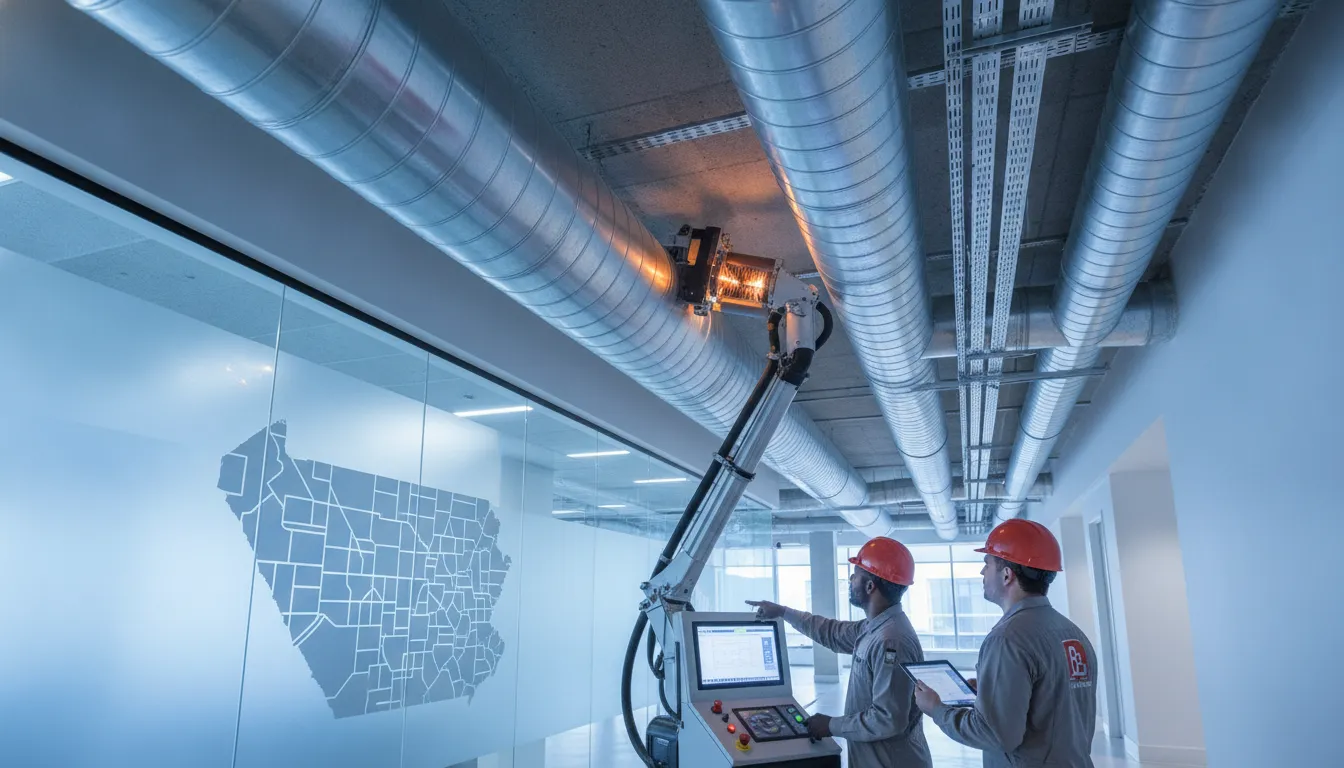
Dust near the vents, uneven airflow, or a musty smell can raise questions for any business owner. But those signs don’t automatically mean your ductwork needs cleaning. A clogged filter, HVAC issue, or moisture problem may be the real cause. For commercial air duct cleaning Bucks County PA businesses should start with an inspection and a clear explanation of what the system needs. Ask what the technician found, which areas need attention, and what the quote includes. With the right information, you can make a practical decision without paying for unnecessary work. Here’s what to look for, what to ask, and how to choose a provider for your facility.
Key Takeaways
- Base cleaning schedules on your building’s needs: Arrange an inspection and use documented findings, maintenance records, and facility use to decide when service makes sense.
- Confirm the work before booking: Request a written scope, itemized quote, cleaning method, and details about property protection and work documentation.
- Set clear expectations and choose carefully: Duct cleaning can remove accumulated debris, but it won’t resolve every HVAC or air quality concern. Compare providers’ experience, credentials, insurance, and service coverage.
When Do Bucks County Businesses Need Commercial Air Duct Cleaning?
There’s no single cleaning schedule that works for every commercial building. The right time depends on what an inspection finds, how the space is used, and whether dust, debris, or moisture has affected the HVAC system. These signs can help Bucks County businesses decide when to arrange an assessment.
Check for Documented Dust or Debris in Ducts
Dust on office furniture or floors doesn’t automatically mean the ducts need cleaning. Ask a qualified technician to inspect accessible parts of the system, such as registers, return vents, and ductwork, and show you any buildup. Visible accumulations inside the system can help determine whether cleaning is appropriate.
A professional should explain where dust or debris was found and which areas need attention. Air duct cleaning is intended to remove accumulated dust and contaminants from ductwork, as described by JMS Enterprises. Ask for photos or a written summary of the findings. That gives you a clear basis for deciding whether to proceed, rather than relying on a general recommendation.
Investigate Persistent Odors, Airflow Changes, or Uneven Comfort
Musty or stale odors, weak airflow, and rooms that feel warmer or cooler than others can signal a problem, but duct cleaning may not be the solution. A dirty filter, blocked vent, HVAC fault, or moisture issue can cause similar symptoms. Have a qualified professional investigate the system and identify the likely source before scheduling cleaning.
Dust, pollen, and other particles can collect in ducts over time. In Bucks County, seasonal heating and humid summers can also put added demands on HVAC equipment. Service First explains that buildup may restrict airflow and make equipment work harder. An inspection can help determine whether the ductwork is contributing to the issue or whether maintenance or repairs are needed instead.
Consider Cleaning After Renovations, Water Intrusion, or Contamination
Renovations can create fine dust that settles on surfaces and may enter vents, especially if the HVAC system runs during construction. After a project, ask a professional to check whether debris has reached the ductwork. Covering vents and limiting system use during dusty work can help reduce what enters the ducts.
Water intrusion, sewage, or another contamination concern calls for a prompt assessment. Routine duct cleaning alone may not address moisture or microbial growth. The affected area may first need drying, repair, or specialized remediation. Tri-State Air Duct Cleaning Services identifies professional duct cleaning as one part of maintaining a cleaner indoor environment, but the appropriate response depends on the conditions found. Share details about the incident with the technician so they can recommend the right next steps.
Base Decisions on Inspection Findings, Not Visible Dust Alone
Dust on a register doesn’t show the full condition of the system. It may be limited to the vent, or it may point to buildup farther inside the ductwork. Ask the provider to inspect relevant areas, explain what they find, and identify exactly which parts of the system their proposed service would cover.
Commercial buildings vary in size, occupancy, and HVAC use, so a fixed cleaning interval may not suit every business. Alpha Clean Air notes that commercial systems may need annual or twice-yearly service, while recommending an inspection to determine whether cleaning is due. Use inspection results alongside maintenance records, building use, and any history of renovations or contamination to plan service.
What Does Commercial Air Duct Cleaning Include?
Commercial air duct cleaning should begin with an inspection and a clear explanation of the work. The service may cover different parts of a building’s HVAC system, so ask what the estimate includes before scheduling. A reliable provider should explain the cleaning method, identify any access limits, and describe how the crew will protect the property. These details help your team plan around employees, customers, and daily operations.
Inspect the System and Document Its Condition and Scope
A thorough cleaning starts with an inspection. The technician should review the system layout, check accessible duct sections for debris, and note conditions that could affect the work, such as restricted access or visible damage. If parts of the ductwork are difficult to see, ask whether the provider can use a camera or another inspection tool.
Before work begins, request a written scope that lists the areas to be cleaned and any areas the crew cannot reach. Service First Heating & Air Conditioning describes its duct inspection process, including checking through access points and using a camera when needed. Clear documentation makes it easier to compare quotes and understand what the service covers.
Clean Supply and Return Ducts, Trunk Lines, Branches, and Registers
A commercial duct system includes more than the grilles visible in a room. Depending on the building and the agreed scope, cleaning may include supply and return ducts, main trunk lines, branch ducts, and registers. Ask the provider to list each area covered in the estimate, so you know whether the crew will clean the full system or only selected sections.
Find out how technicians will collect loosened debris and whether cleaning the registers and grilles is included. JMS Enterprises describes common duct-cleaning goals, including removing accumulated dust and contaminants. The exact work can vary by building, so confirm the details for your facility before booking.
Confirm Whether the Service Includes HVAC Components, Dryer Vents, or Sanitizing
Duct cleaning does not always include other HVAC components, such as coils or the blower assembly. Dryer vents may also be a separate service. Ask the provider which parts are included, which cost extra, and whether any recommended work requires a separate appointment.
If sanitizing is suggested, ask what product will be applied, where it will be used, and why it is suitable for your facility. Treat it as an optional service to review, not an automatic part of duct cleaning. An itemized estimate can help clarify the difference between ductwork cleaning and additional services. Tri-State Air Duct Cleaning Services outlines commercial duct and vent cleaning, but confirm the scope and price directly with your provider.
Ask How the Crew Will Protect the Building and Limit Disruption
Commercial cleaning may take place around staff, customers, tenants, or active work areas. Before scheduling, ask how the crew will protect floors, furnishings, equipment, and nearby spaces from dust or debris. Confirm where technicians need access, whether they may need items moved, and how they will contain debris during the job.
Discuss timing, too. Depending on the facility, you may prefer work outside business hours or in phases to keep operations running. Ask how the crew will verify completed work and whether it can provide photos, a walkthrough, or a service report. To confirm commercial air duct cleaning availability, scope, and scheduling, contact Cahill’s Carpet & Upholstery Cleaning.
Which Cleaning Methods and Equipment Should Providers Use?
A commercial duct cleaning plan should explain how debris will be loosened, collected, and kept from spreading through your building. Ask what equipment the crew will use and how the process will fit your system. Cahill’s provides air duct cleaning services, so you can ask its team what the work includes for your property.
Compare Source Removal, Negative Pressure, and Mechanical Agitation
Source removal combines mechanical agitation with negative-pressure collection. Brushes or air tools loosen debris from duct surfaces, while a vacuum system collects it. Agitation alone may dislodge material without removing it from the system, so ask how the provider will capture debris as the work proceeds.
Find out where the crew will connect its collection equipment, how it will reach different sections, and whether the quoted scope includes supply and return ducts. A duct-cleaning provider checklist recommends asking about methods and equipment before booking. Look for a clear explanation of how the planned process fits your building, not just a general promise to clean the ducts.
Ask Whether HEPA Filtration Captures Dislodged Debris
Ask whether the vacuum system uses HEPA filtration and how the crew will contain debris during cleaning. Agitation can release material from duct surfaces, so collection and containment are important parts of the process. A provider should be able to explain where the vacuum connects, how it captures loosened particles, and what steps the team takes to limit dust spreading through the building.
Filtration is one part of the plan, not a substitute for a thorough cleaning. Ask how the crew will access the ductwork and address the areas listed in your quote. This guide to evaluating duct cleaners outlines equipment questions to raise with a provider. If the collection setup is unclear, ask for more detail before scheduling.
Match the Method to the Ductwork and Its Condition
Duct systems differ in size, material, layout, and condition, so one technique may not suit every building. Flexible ducts, metal trunks, tight access points, and areas with heavy debris may call for different tools or adjustments. A provider should inspect the system and explain how its recommended method accounts for those details.
Ask what the inspection found, which areas need attention, and whether any sections require special care. This overview of duct-cleaning considerations explains why the approach should reflect the ductwork and its condition. A specific explanation helps you assess whether the service is tailored to your property. It can also identify access challenges or damage that may need attention before cleaning begins.
Request Before-and-After Documentation
Before work starts, ask whether the provider will document the duct system’s condition and share photos or records afterward. Documentation helps you review the areas addressed and keep a record of maintenance for owners, tenants, or facility managers.
Clarify which sections the crew will photograph and whether images will be included with the service report. Photos do not replace a clear scope or careful inspection, but they can help verify the work completed. Ask the provider to explain how it confirms the agreed-upon areas were cleaned. A duct-cleaner vetting checklist includes before-and-after documentation as a useful question to ask when comparing providers.
How Often Should Bucks County Businesses Clean Their Ducts?
There’s no single duct-cleaning schedule that fits every Bucks County business. A lightly used office and a busy restaurant, for example, put different demands on their HVAC systems. Occupancy, operating hours, building activities, and the system’s condition all affect how often an inspection or cleaning may be appropriate.
Some providers suggest commercial systems may need service annually or twice a year, but that’s a general guideline, not a set requirement. Use inspection findings and maintenance records to decide when to clean and when to check the system again. Alpha Clean Air’s Bucks County guidance discusses more frequent service for commercial systems, while your own building’s conditions should guide the schedule.
Set a Schedule Based on Inspections and Maintenance History
Begin with an inspection of the ductwork and HVAC system. Ask the provider to document any visible debris, describe the areas inspected, and explain whether the findings support cleaning. A written record gives you a useful point of comparison during future inspections.
Keep track of the date and scope of past cleanings, HVAC maintenance, and any issues reported by staff or tenants. If the system is in good condition and maintained regularly, it may not need the same cleaning frequency as a system with recurring buildup. Set a date to reassess based on the inspection, rather than booking an annual or twice-yearly cleaning automatically. Cahill’s commercial cleaning and air duct services can help you review available services and clarify what a proposed visit includes.
Consider Occupancy, Building Use, Renovations, and Contamination
A building’s daily use can influence how quickly dust and debris collect. High occupancy, long HVAC operating hours, and work that produces dust or particles may warrant closer monitoring. Consider the activities in your facility when planning maintenance, since a restaurant, warehouse, office, and medical practice can place different demands on their systems.
Renovations and construction can release fine dust that may enter ductwork, particularly if the HVAC system runs during the work. Water intrusion, smoke, or another contamination event also calls for an inspection to determine the appropriate next step. Service First’s duct-cleaning guidance notes that seasonal HVAC use can put added demand on systems. After a major building change or contamination event, share the details with a qualified provider and ask whether cleaning is warranted.
Reassess if Dust, Odors, or Airflow Concerns Return
If concerns return between scheduled inspections, have the system checked rather than assuming the ducts need cleaning. Persistent musty odors when the HVAC runs, weak airflow, uneven room temperatures, or dust that quickly gathers near registers can signal an issue. Filters, HVAC components, or moisture may also be responsible, so an inspection can help identify the cause.
Note when the symptoms occur and whether they started after remodeling, water intrusion, or a change in building use. Share those details with the technician, along with any visible debris at registers. Service First lists common signs to review, but these signs alone do not confirm that duct cleaning is needed. Businesses can also check Cahill’s service area and contact the team to discuss availability and service scope.
What Can Duct Cleaning Do, and What Can’t It Do?
Commercial duct cleaning can remove dust and debris from the parts of an HVAC system included in the service. It may also help address some indoor air quality concerns, but it cannot guarantee a particular result or replace HVAC repairs. Knowing the limits helps you compare quotes and set clear expectations before work begins.
Remove Accumulated Dust and Debris From the Duct System
Dust and debris can build up over time in supply and return ducts, trunk lines, branches, and registers. Professional cleaning removes accumulated material from the areas covered in the service. Before booking, ask the provider to list the parts of the system included, explain how they’ll access them, and describe how they’ll contain and remove loosened debris.
The cleaning plan should fit your building’s ductwork and its condition. A written scope can help you see whether the quote covers ductwork alone or also includes HVAC components. Cahill’s provides air duct cleaning services, but businesses should confirm the commercial service scope, equipment, and work documentation when requesting an estimate.
Understand Potential Indoor Air Quality Benefits Without Guarantees
Removing dust and debris from ductwork may reduce the amount of material that can circulate through the system. That may be helpful in offices, stores, and other commercial spaces, but duct cleaning cannot guarantee a specific improvement in indoor air quality. Results depend on the building, the HVAC system, and other sources of airborne particles.
Indoor air quality is also affected by ventilation, filtration, moisture, housekeeping, and activities inside the building. If employees or customers continue to report concerns, consider investigating those factors instead of assuming the ducts are the only source. Learn what providers may include in commercial air duct cleaning, then ask how the proposed work relates to your facility’s needs.
Don’t Expect Cleaning to Fix Every Odor, HVAC Problem, or High Utility Bill
Cleaning may remove debris that contributes to some odors, but it won’t necessarily eliminate smells caused by plumbing problems, pests, smoke, or materials elsewhere in the building. If an odor persists, identify its source before treating duct cleaning as the only solution.
Cleaning also does not replace HVAC diagnosis or routine maintenance. Uneven temperatures, weak airflow, unusual equipment sounds, or high energy bills can have several causes, including clogged filters, damaged ducts, or mechanical issues. If those problems continue, ask an HVAC professional to inspect the system. As this guide to air duct cleaning myths explains, cleaning does not guarantee that every odor or HVAC concern will go away.
Treat Sanitizing as a Separate Service, Not an Automatic Add-On
Duct cleaning removes dust and debris; sanitizing is a separate treatment that applies a product to surfaces. Don’t assume a quote for duct cleaning includes sanitizing. Ask whether the provider recommends it for your building, what product they plan to use, and which areas they would treat.
Before approving the work, request clear details about the product, application, and any preparation or re-entry instructions. A provider should explain the purpose and scope in plain language so you can decide whether the treatment makes sense for your facility. Professional duct-cleaning guidance also treats sanitizing as an additional service, making it worth reviewing as a separate line item in your estimate.
What Affects Commercial Air Duct Cleaning Costs in Bucks County, PA?
Commercial air duct cleaning costs vary based on the building, the HVAC system, and the work required. A smaller office with accessible ductwork may take less time to clean than a large facility with multiple systems, complex layouts, or substantial debris. That’s why a dependable estimate should reflect the property’s actual conditions, not just its square footage.
Before comparing prices, ask each provider to clarify what they’ll inspect and clean. A quote may cover only certain duct sections, while another may include additional components or services. Make sure you understand whether the estimate includes labor, equipment, setup, cleanup, and any recommended add-ons. If the provider hasn’t asked about your building or inspected the system, treat the price as an initial estimate rather than a final quote.
A clear, written estimate helps you compare providers fairly and plan for the work. It should describe the cleaning scope, methods, and any charges that could change based on access or conditions found during the job. The factors below can help you assess a quote and ask useful questions before scheduling service.
Compare Facility Size, System Complexity, Access, and Duct Condition
Square footage can affect the cost, but it doesn’t tell the whole story. The number of HVAC systems, duct runs, branches, and registers can all influence the time and equipment a job requires. Access matters, too. High ceilings, tight mechanical spaces, or areas that need special preparation may add labor.
The condition of the ductwork is another consideration. A system with significant dust or debris may take longer to clean than one that has been maintained regularly. Ask whether the provider has inspected the system or based the estimate on information you supplied. Service First Heating & Air Conditioning lists system size, access, duct buildup, and the number of duct runs among factors that may affect pricing.
Ask How Dryer Vent Cleaning or Contamination Cleanup Affects the Price
A business may choose to schedule dryer vent cleaning along with air duct cleaning, especially if the property has shared laundry facilities. Since it’s a separate service, confirm whether it’s included in the quote or priced separately. A Bucks County dryer vent cleaning provider notes that cleaning can support dryer efficiency and help reduce fire hazards.
Water intrusion, unusual contamination, or heavy debris may also call for additional assessment or work. Don’t assume sanitizing or contamination cleanup is part of standard duct cleaning. Ask what the provider found, what they recommend, and how each added service affects the price. You can also review Cahill’s services and contact the team to discuss your facility’s needs.
Review Written Quotes for Scope, Methods, and Extra Charges
A written quote should specify which parts of the system the crew will clean and what methods and equipment they plan to use. Check whether the price includes supply and return ducts, trunk lines, branches, registers, and any HVAC components. Ask whether labor, setup, and cleanup are included, too.
If the provider recommends an add-on, request its price and purpose before approving the work. Clarify whether restricted access, extra systems, or unexpected conditions could change the final bill. It’s also helpful to ask how the crew will document the system’s condition and confirm the work is complete. A detailed estimate makes it easier to compare bids and understand what you’re paying for. This guide to questions for duct-cleaning providers offers further prompts to use when reviewing a company’s answers.
Avoid Teaser Prices, Pressure Tactics, and Vague Estimates
Be cautious of an unusually low price advertised for cleaning an entire commercial building, especially if the provider hasn’t asked about the facility or inspected its system. The offer may cover only limited work, with additional services or charges added later. Ask what the price includes, what it excludes, and how the company calculates the final amount. AirFlow Solutions cautions that very low whole-building offers may be bait pricing.
A trustworthy provider should explain the estimate clearly and give you time to review it. You don’t need to approve extra treatments or same-day work before you understand the need and cost. If the quote is vague, ask for a revised version that lists the work and possible additional charges. Businesses in Cahill’s service area can contact the team to discuss the property and ask about the proposed scope.
How Can You Choose a Qualified Commercial Air Duct Cleaning Provider?
Choosing a commercial air duct cleaning provider starts with understanding what your building needs. A responsible company should ask about the HVAC system, inspect it before recommending work, and explain which parts of the system are included. The quote should outline the cleaning method, equipment, schedule, and any services that cost extra. That detail makes it easier to compare proposals and reduces the chance of surprises on the day of service.
Before you book, consider how the work could affect employees, customers, tenants, or business operations. Ask how the crew will access the ducts, contain debris, protect the property, and document the results. It’s also worth checking insurance, technician training, commercial experience, and recent customer feedback. A provider should answer these questions clearly and give you time to review the estimate.
For businesses in Bucks County and nearby communities, choose a company that serves your area and can discuss the needs of your specific property. You can check Cahill’s service areas and cleaning services when comparing local options. Use the questions below to assess providers and decide whether their proposed work fits your building.
Ask About Inspections, Cleaning Methods, and Work Verification
Ask whether the company will inspect the system before setting the scope and price. An inspection can help identify the ductwork that needs attention, access limitations, and any concerns that may affect the work. Request a written description of the areas and components included, as well as the cleaning method and equipment. Find out how the crew will dislodge and remove debris, rather than cleaning only the visible registers.
Ask how the provider will verify the work. Before-and-after photos can help show which areas were cleaned, particularly when ducts are difficult to access. A duct-cleaning checklist recommends asking about inspections, methods, equipment, pricing, and documentation before hiring.
Verify Insurance, Technician Training, and Commercial Experience
Request proof of insurance before work begins, and ask whether the coverage applies to the work being done at your property. Find out who will be on-site, what training the technicians have, and how much commercial experience the company can provide. A small office, restaurant, and multi-tenant building can each bring different access, scheduling, and safety considerations.
Ask which certifications the technicians hold and whether those credentials apply to the services being proposed. A certification can be a helpful point of comparison, but it doesn’t replace relevant experience or a clear explanation of the work. Request supporting documents in writing and confirm that the provider can handle your type of facility. This provider evaluation guide also recommends checking credentials and insurance before scheduling.
Request References and Read Recent Customer Reviews
Ask for references from commercial clients, ideally businesses with buildings or HVAC systems similar to yours. A provider experienced in commercial work should be ready to explain how its crew plans around employees, customers, tenants, and operating hours. References can offer a clearer sense of whether the company arrived on time, protected the property, and completed the agreed scope.
Read recent reviews on more than one platform. Look for specific comments about communication, cleanup, and how the company handled questions or concerns, not just the overall rating. Be cautious of promises that cleaning will guarantee a particular indoor air quality result. Duct cleaning can remove accumulated debris, but it may not resolve every air quality concern. Customer guidance on common duct-cleaning claims can help you set realistic expectations.
Clarify Scheduling, Property Protection, and Any Work Guarantee
Confirm the schedule and expected duration before signing an agreement. Ask whether technicians need access to particular rooms, whether any areas will be temporarily unavailable, and whether the company can work outside your busiest hours. These details matter when cleaning could affect staff, customers, tenants, or daily operations.
Discuss how the crew will protect floors, furnishings, equipment, and nearby work areas. Ask how debris will be contained and whether cleanup is included in the quote. If the provider offers a workmanship guarantee, request its terms in writing, including what it covers, how long it lasts, and how to arrange follow-up service. Clear answers help you plan around the work and compare proposals on more than price alone.
Avoid Providers Who Skip Inspections or Won’t Explain Their Quotes
Be cautious if a company gives a firm price without asking about your building, inspecting the system, or explaining what the service includes. A low advertised price may cover only part of the ductwork, with other components treated as extra. Ask for a written, itemized quote that lists the areas to be cleaned, the method and equipment, exclusions, and potential additional charges.
Pay attention to how the provider handles questions and changes. Pressure to add services you haven’t discussed, a rushed job, or unexplained changes to the agreed scope are reasons to pause and ask for clarification. A professional company should explain its recommendations and give you time to review them. This guide to evaluating duct-cleaning providers lists vague scopes, verbal-only estimates, and unexpected changes as warning signs.
What Should Bucks County Businesses Know About Cahill’s?
When comparing commercial air duct cleaning providers, ask about technician experience, the work included, and how the crew will care for your property. Cahill’s serves Huntingdon Valley, Montgomery County, Bucks County, and nearby Pennsylvania communities. Confirm that your facility is within the service area and discuss your system’s needs before scheduling.
Consider 48 Years of Experience and IICRC-Certified Technicians
Cahill’s has 48 years of cleaning experience and employs IICRC-certified technicians. That background gives you a useful starting point for discussing your building’s system, its condition, and the work being considered. Experience and certification should go alongside a clear inspection and written scope. Ask who will perform the cleaning, what training the crew has for commercial ductwork, and how the team will determine which components need service. Cahill’s shares more about its cleaning background and technicians on its about page. To make comparisons easier, write down your questions and ask each provider the same ones. This keeps the discussion focused on your facility rather than a one-size-fits-all service package.
Confirm Commercial Duct-Cleaning Scope, Service Area, and Quote Details
Before booking, ask for a specific description of the proposed work. Find out whether the quote includes supply and return ducts, registers, trunk lines, and branches. Confirm whether HVAC components, dryer vents, or sanitizing are included or priced separately. The right scope depends on your building and system, so ask the provider to explain any item described simply as “duct cleaning.” Also verify that Cahill’s serves your business address. The company’s service-area information can help you check coverage in Bucks and Montgomery Counties and nearby communities. Request a written quote that lists included work, exclusions, and any potential extra charges. For more detail about available cleaning services, review Cahill’s service offerings.
Ask How the Team Will Protect the Property and Document Completed Work
Commercial cleaning may take place near employees, customers, equipment, and daily operations. Before setting a date, ask how the crew will protect floors, furnishings, and nearby work areas. Find out whether you need to prepare rooms, move equipment, or adjust business hours. It’s also helpful to ask how the technicians will manage dust and debris during cleaning. To understand what was completed, ask whether the team can provide inspection notes, photos, or a summary of the areas serviced. These details give you a clear record to review and make it easier to follow up on questions. Share your facility’s needs when you contact Cahill’s to discuss a quote.
Related Articles
- When to Clean Air Ducts? Signs You Need Service | Cahill's
- Professional Air Duct Cleaning Services | Cahill's | Huntingdon Valley PA
- Importance of Air Duct Cleaning: Improve Indoor Air Quality
- Fall Dryer Vent Cleaning Bucks County | Cahill's
- Dryer Vent Clogged? 5 Warning Signs | Cahill's Carpet Cleaning
Frequently Asked Questions
How often should a Bucks County business schedule commercial air duct cleaning?\ There isn’t one schedule for every building. Use inspection findings, maintenance records, occupancy, and changes such as renovations to decide when to reassess or clean.
Does dust near an air vent mean the ducts need cleaning?\ Not necessarily. Dust may be limited to the register, or it may point to buildup farther inside. Have a qualified technician inspect the system before deciding.
What should a commercial duct-cleaning estimate include?\ It should explain which parts of the system will be cleaned, the methods and equipment planned, any access limits, and the cost of optional services. Ask for the scope in writing.
Will duct cleaning fix odors or uneven temperatures?\ It may remove debris that contributes to some odors, but these problems can have other causes, including moisture, clogged filters, or HVAC faults. An inspection can help identify the source.
Does Cahill’s serve commercial properties in Bucks County?\ Cahill’s serves Bucks County, Montgomery County, Huntingdon Valley, and nearby Pennsylvania communities. Contact the team to confirm service at your business address and discuss the proposed scope.