Commercial Water Damage Restoration: A Complete Guide
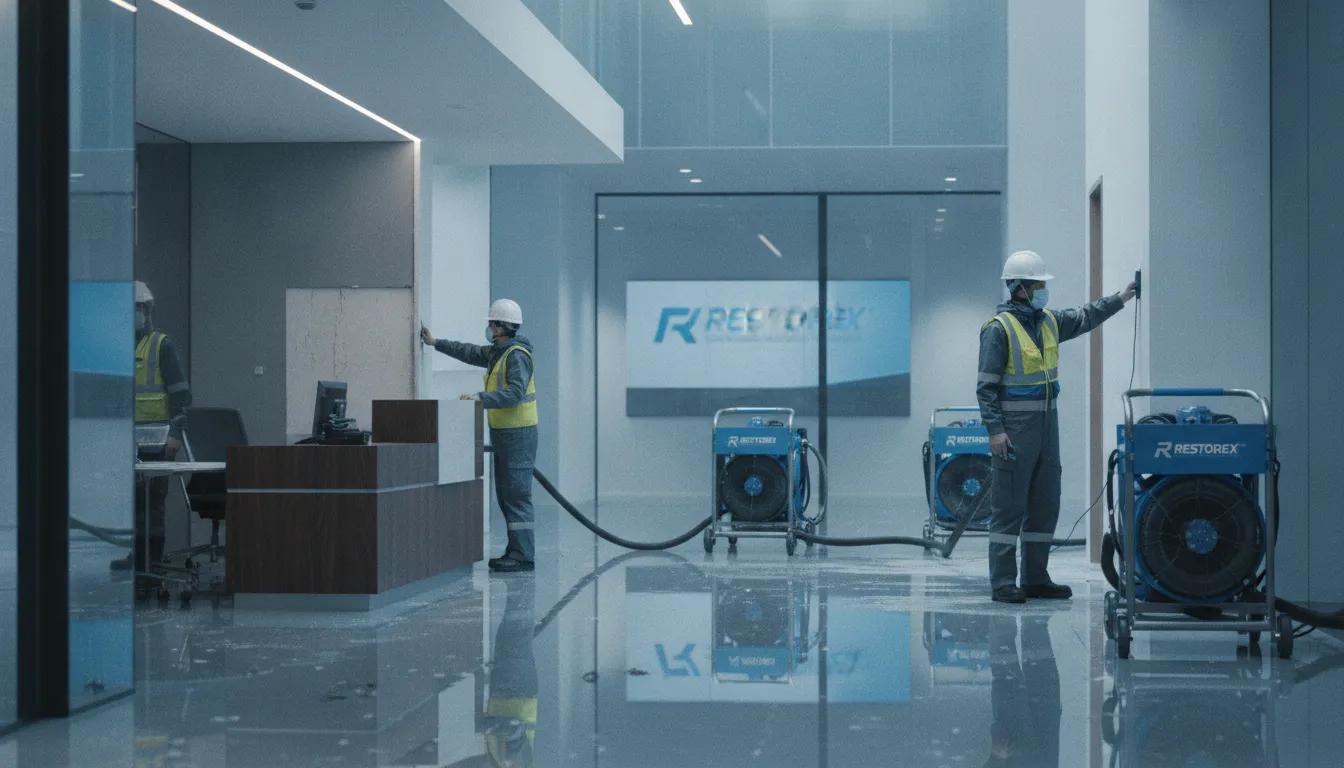
Not every water loss looks severe at first. A small ceiling stain may point to moisture inside insulation. A damp carpet may hide water beneath the flooring. A musty odor may signal that a leak continued behind a wall or under a cabinet. Without a professional inspection, these problems can remain hidden and grow worse over time. Commercial water damage restoration helps identify the source, measure affected areas, remove standing water, and dry the structure thoroughly. Cahill’s Carpet & Upholstery Cleaning serves businesses in Huntingdon Valley, Southampton, Jenkintown, Abington, Willow Grove, Langhorne, Newtown, and surrounding communities with trained technicians and professional equipment.
Key Takeaways
- Respond to water damage promptly: Stop the source when safe, protect employees and customers, document the affected areas, and call a restoration professional without delay.
- Address hidden moisture, not just standing water: Professional extraction, drying, moisture checks, cleaning, and sanitizing help protect flooring, walls, contents, and business operations.
- Choose an experienced local provider: Look for IICRC-certified technicians, advanced equipment, eco-friendly solutions, clear communication, proper insurance, and experience serving commercial properties.
What Is Commercial Water Damage Restoration?
Commercial water damage restoration is the process of removing water from a business property, drying affected materials, cleaning and sanitizing the space, and repairing damage caused by leaks, floods, burst pipes, or other water intrusions. It involves more than removing visible puddles. Water can travel beneath flooring, behind walls, above ceilings, and into other areas that are difficult to see.
A complete restoration service may include emergency water extraction, structural drying, moisture monitoring, contents cleaning, odor control, sanitizing, mold prevention, and repairs. The work should be adjusted to the type of building, the source of the water, the materials affected, and the needs of the business. Cahill’s commercial cleaning and restoration services can help property owners address water-related damage with professional equipment and experienced technicians.
The main goals are to protect people, limit damage to the structure and contents, and return the property to a safe, usable condition. A timely response can also help reduce interruptions to normal operations. The longer moisture remains, the more likely it is to damage porous materials, create odors, encourage microbial growth, and affect areas beyond the original leak.
Why businesses need fast restoration
Water damage can disrupt nearly every part of a business. A burst pipe may affect offices, hallways, storage rooms, and electrical equipment. A roof leak can damage ceilings, flooring, inventory, furniture, and records. In a retail store, restaurant, or professional office, even a small affected area may make part of the property unsafe or unusable.
Standing water can also become more contaminated the longer it remains. Damp drywall, carpet, wood, insulation, and upholstery may support microbial growth when they are not dried promptly. Water may continue moving through walls and flooring after the source has been stopped, which allows damage to spread beyond the area that first caught your attention.
Fast extraction and drying give a restoration team a better chance to protect building materials and business contents. BELFOR’s commercial water damage guidance emphasizes prompt action to reduce structural damage, contamination, mold concerns, and operational disruption.
If water is still entering the building, shut off the source only if it is safe to do so. Keep employees and customers away from affected areas, and avoid electrical equipment in wet locations. Contact a restoration professional as soon as possible.
Protecting people, property, and operations
A commercial restoration plan should protect more than the building. Employees and customers may slip on wet flooring or come into contact with contaminated water and damaged electrical systems. Computers, servers, inventory, furniture, paper records, and specialized equipment may also require immediate attention.
A professional team can help identify areas that should be isolated, contents that may be salvageable, and materials that may need removal. Water trapped beneath flooring or inside walls can continue causing damage after visible water has disappeared. Proper extraction, structural drying, and moisture checks help address the problem at its source.
Business owners should also consider prevention measures after the immediate damage has been handled. Leak detection devices and water monitoring systems can alert property managers to problems in mechanical rooms, restrooms, kitchens, and other high-risk areas. StreamLabsWater’s commercial water damage prevention guidance explains how proactive monitoring may help identify leaks earlier and, in some situations, support lower insurance costs.
Prevention does not eliminate the need for professional restoration after an incident. It gives businesses an earlier warning, which can provide more time to shut off water, protect contents, and arrange help.
Finding hidden moisture, damage, contamination, and mold
Visible water is only one sign of a commercial water problem. Moisture can move beneath carpet, behind baseboards, under flooring, inside drywall, and above suspended ceilings. It may also collect around HVAC components or other building systems. If these areas stay damp, they can develop odors, material damage, and mold concerns.
Restoration technicians use moisture meters and other inspection tools to locate affected materials and determine how far water has traveled. They may document readings throughout the property, create a moisture map, and check conditions during the drying process. This helps identify areas that need additional attention and creates useful documentation for property owners, managers, and insurance professionals.
Water sensors can provide another layer of protection by detecting leaks before they cause extensive damage. Commercial water monitoring information from StreamLabsWater describes how sensor systems may help reduce damage from undetected leaks.
Arrange an inspection if you notice musty odors, stained ceilings, peeling paint, bubbling wallpaper, warped flooring, or unexplained moisture. These signs may indicate that water remains hidden behind a surface.
When to call a restoration professional
Contact a restoration professional as soon as water affects your commercial property, especially after a flood, sewer backup, burst pipe, sprinkler failure, or significant roof leak. You should also call when water reaches electrical equipment, insulation, drywall, flooring, stored inventory, or areas used by employees and customers.
Some warning signs may not appear until hours or days after the original incident. Peeling, bubbling, or cracked paint, damaged wallpaper, cracks in walls or ceilings, musty odors, warped materials, and visible mold can all indicate an ongoing moisture problem. Chubb’s guide to common sources of commercial water damage outlines several causes and warning signs that commercial property owners should take seriously.
Do not assume a small amount of visible water means the damage is minor. A professional assessment can help identify the source, affected materials, water category, and safest next steps. Cahill’s serves businesses in Huntingdon Valley, Montgomery County, Bucks County, and nearby Pennsylvania communities. Property owners can contact Cahill’s to discuss commercial water damage restoration needs.
What Causes Commercial Water Damage?
Commercial water damage can begin with a major event, such as a burst pipe or severe storm. It can also develop quietly from a loose fitting, clogged drain, damaged roof membrane, or failing appliance. Even a small leak can affect drywall, flooring, insulation, inventory, furniture, electrical systems, and business records when it goes unnoticed.
The source of the water is important because it affects the cleanup process and the health risks involved. Clean water from a supply line may require extraction and structural drying, while sewage or floodwater can contain harmful contaminants and require additional cleaning and disinfection. Water can also travel behind walls, beneath flooring, and through ceilings, so the visible damage may not show the full extent of the problem.
Regular inspections and prompt repairs can help reduce the risk of a major loss. However, when water enters your building, acting quickly matters. Cahill’s commercial water damage restoration services can help businesses remove standing water, dry affected materials, clean contaminated areas, and begin the restoration process.
Burst pipes, plumbing failures, and sewer backups
Plumbing failures are a common source of commercial water damage. A supply pipe may burst suddenly, while a worn valve, loose connection, cracked fitting, or deteriorating seal can release water slowly. Restrooms, kitchens, utility rooms, mechanical spaces, and ceiling cavities are especially vulnerable because they contain multiple pipes, fixtures, and connections.
Clogged drains and backed-up sewer lines create an additional concern. Sewage may contain bacteria, chemicals, and other contaminants, so employees should stay away from affected areas until the source has been controlled. Shut off the water if it is safe to do so, protect nearby equipment from exposure, and contact a restoration professional. Paul Davis identifies faulty plumbing, leaks, and severe weather as frequent causes of commercial property damage.
Roof leaks, storms, floods, and drainage issues
A damaged roof can allow water to enter through worn shingles, flashing, seams, vents, skylights, or membrane failures. Water may move through insulation and ceiling materials before it becomes visible, which means a small stain may indicate a larger area of concealed moisture. Roof inspections can help identify damage before rain reaches the interior of the building.
Heavy rain, high winds, flooding, and melting snow can also overwhelm drainage systems. Clogged gutters, blocked downspouts, poor grading, and inadequate storm drains may direct water toward the foundation rather than away from the property. Chubb reports that roofs account for an estimated 15% of commercial water damage claims and are the leading cause of ceiling water damage. Businesses should inspect roofing, gutters, downspouts, exterior drains, and lower-level areas before severe weather arrives.
HVAC condensation, sprinkler failures, and appliance leaks
Heating and cooling systems can create condensation around coils, drain pans, ducts, and nearby insulation. If a condensate line becomes clogged or a drain pan cracks, water may overflow into ceilings, walls, mechanical rooms, and finished areas. HVAC equipment often operates outside regular business hours, so a leak can continue for hours before anyone notices staining, odors, or changes in flooring.
Fire sprinkler systems, water heaters, ice machines, refrigerators, dishwashers, washing equipment, and other appliances can leak as well. Worn hoses and corroded connections deserve prompt attention, especially in kitchens, break rooms, laundry areas, and commercial mechanical spaces. Westfield Insurance recommends replacing worn hoses and checking water heaters for corrosion or moisture. Regular inspections of sprinkler components and appliance connections can help catch problems early.
Freezing weather, poor maintenance, and accidents
Freezing temperatures put buildings at risk when pipes run through exterior walls, crawl spaces, unheated rooms, vacant areas, or poorly insulated sections. Water expands as it freezes, which can split a pipe or damage its fittings. When temperatures rise, the resulting leak may release a large volume of water into the building. Insulating vulnerable pipes, maintaining adequate heat, and protecting vacant areas can help prevent freeze-related damage.
Poor maintenance can turn a minor issue into a major interruption. Ignored stains, slow drains, damaged seals, overflowing toilets, failing sump pumps, and deteriorating roof materials all deserve prompt attention. Accidents, such as overturned containers, overflowing sinks, and equipment malfunctions, can also release enough water to damage business property.
Routine inspections and quick repairs remain important throughout the year. As Mercury Insurance explains, many water damage claims have nothing to do with storms or flooding. A written maintenance schedule can help staff monitor plumbing, roofing, HVAC equipment, appliances, and drainage systems before a manageable problem becomes a costly emergency.
What Does Commercial Water Damage Restoration Include?
Commercial water damage restoration involves much more than removing visible water. A professional restoration team identifies the source, assesses the affected areas, removes standing water, dries the structure, addresses contamination, and helps return the property to a safe, usable condition. The exact process depends on the size of the building, the materials involved, the type of water, and how long the damage has been present.
For businesses, restoration also includes protecting inventory, equipment, documents, furnishings, and other contents. The work may involve temporary access restrictions, detailed moisture records, coordination with plumbers or contractors, and documentation for an insurance claim. Cahill’s commercial cleaning and restoration services support businesses in Huntingdon Valley, Montgomery County, Bucks County, and nearby Pennsylvania communities.
Responding to emergencies, controlling sources, and securing the site
The first priority is to stop the water and make the property safe. Technicians help identify whether the damage resulted from a burst pipe, roof leak, sewage backup, sprinkler failure, appliance leak, or another source. If water is still entering the building, the business may need to shut off a supply, contact a plumber, or arrange emergency repairs before cleanup can continue.
The restoration team also checks for immediate hazards, including water near electrical equipment, unstable ceilings, damaged flooring, and contaminated water. They may restrict access, move people away from unsafe areas, and protect unaffected spaces with barriers or coverings. A fast response can limit structural damage, contamination, mold growth, and interruptions to business operations. BELFOR’s commercial water damage guidance describes emergency response, source control, water removal, and repair coordination as key parts of the process.
Inspecting damage, classifying water, and mapping moisture
Before removing water, technicians inspect the property to determine how far the damage has spread. They check floors, walls, ceilings, insulation, cabinets, carpets, furnishings, and other building materials. Water can travel behind walls, beneath flooring, and into ceiling spaces, so a surface that looks dry may still contain hidden moisture.
The water source also affects the cleanup plan. Water from a clean supply line presents different concerns than water from a toilet overflow, sewer backup, or flood. Restoration professionals classify the water based on its contamination level, then determine the necessary protective equipment, cleaning methods, and disposal procedures.
Moisture meters, thermal imaging, and other tools help identify damp areas that are not visible. Technicians record readings and create a map of affected rooms and materials. This information supports a targeted drying plan and establishes a record of the property’s condition. SERVPRO’s restoration information also emphasizes checking for both visible water and hidden moisture.
Extracting standing water
Water extraction is one of the first physical steps in commercial cleanup. Technicians use pumps, wet vacuums, and specialized extraction equipment to remove standing water from floors, carpets, stairwells, and other affected spaces. Removing water promptly limits the amount of time that building materials remain saturated.
The right method depends on the volume of water, the flooring type, and the condition of the property. Large losses may require powerful pumps, while smaller areas may need portable extraction equipment. Carpet and upholstery often require specialized treatment to remove moisture without causing additional damage.
Technicians may move furniture, shelving, and other contents to reach wet flooring. Items that cannot be cleaned safely in place may be moved to a dry area or transported for additional restoration. Extraction removes visible water, but materials can remain damp afterward. That is why professional drying and moisture monitoring are essential next steps. BELFOR includes water extraction and removal among its commercial mitigation services.
Drying structures with air movers and dehumidifiers
After standing water is removed, technicians dry the structure and materials that absorbed moisture. Commercial air movers increase airflow across wet surfaces, while dehumidifiers remove moisture from the air. Used together, this equipment can help dry carpets, flooring, drywall, wood, furnishings, and other affected materials more efficiently than ordinary household fans.
Equipment must be positioned according to the building layout, material type, temperature, and moisture readings. In some cases, targeted heat or specialized drying methods help reach moisture trapped beneath flooring, inside wall cavities, or in other difficult areas. Simply placing fans in a room may leave hidden dampness behind or spread moisture to other spaces.
A professional team also considers ventilation and indoor air conditions. The goal is controlled drying, not simply moving wet air from one part of the building to another. SERVPRO’s water damage information describes using controlled airflow, targeted heat, and other methods to dry hard-to-reach areas.
Monitoring moisture and verifying dryness
Drying equipment should not be removed based on appearance alone. Restoration technicians take moisture readings throughout the process and compare affected areas with unaffected parts of the building. This helps determine whether materials are drying properly and whether hidden moisture remains.
Monitoring may include floors, walls, subfloors, cabinets, ceilings, and other structural materials. Technicians can reposition air movers or dehumidifiers as conditions change. If one area dries while another remains damp, they can adjust the plan before the moisture causes additional damage.
A property is considered dry only when readings meet appropriate standards for the material and surrounding conditions. Verifying dryness helps reduce the risk of lingering odors, deterioration, and mold growth. It also creates documentation showing that the drying process was monitored rather than stopped when visible water disappeared. Businesses can also consider leak detection and water monitoring systems, which StreamLabsWater explains can help identify problems sooner.
Cleaning, sanitizing, deodorizing, and preventing mold
Water damage can leave behind dirt, bacteria, sewage residue, and unpleasant odors. These concerns are especially serious when the water came from a drain, toilet, sewer backup, flood, or storm. Once affected areas are dry, technicians clean and sanitize surfaces using methods suited to the material and contamination level.
Cleaning may involve floors, walls, carpets, upholstery, fixtures, equipment, and other contents. Deodorizing addresses smells trapped in porous materials or caused by contaminated water. Some materials may be too damaged or contaminated to clean safely and may need to be removed and discarded.
Mold prevention starts with prompt extraction and thorough drying. If mold is already present, technicians inspect the affected area and use appropriate containment and cleaning procedures. Protective equipment and controlled work practices help prevent spores from spreading to unaffected areas. SERVPRO’s restoration resources include mold inspection and removal among the services used to address health and safety concerns after water damage.
Restoring contents, repairing damage, and documenting results
Commercial water damage can affect much more than the building. Furniture, inventory, records, electronics, equipment, displays, and other contents may need cleaning, drying, deodorizing, or specialized restoration. Technicians assess each item based on its material, condition, contamination, and likelihood of successful recovery.
Some contents can be treated at the property. Others may need to move to a secure storage or restoration facility while structural work continues. Labeling and inventory records help the business track each item, its location, and the treatment it receives. Sensitive documents, fabrics, wood furniture, and electronics may require separate handling methods.
Repairs can include replacing damaged drywall, flooring, insulation, trim, ceiling materials, or other components. The restoration team may record conditions with photographs, moisture readings, item inventories, work notes, and completion records. These documents help the business understand the work and support insurance discussions. SERVPRO’s contents restoration services include protecting and restoring damaged belongings during the cleanup process.
Managing insurance records and restoration coordination
Commercial water damage often involves several parties, including the business owner, property manager, insurance company, plumber, electrician, contractor, employees, and restoration professionals. Clear communication keeps everyone informed about safety concerns, access, drying progress, repair decisions, and expected timelines.
A restoration company may document the original damage, affected materials, emergency services, equipment use, completed work, and remaining repairs. Businesses should also keep their own photographs, videos, inventory lists, receipts, maintenance records, and copies of related communication.
Insurance policies vary, so the business should confirm coverage with its insurance representative. Policies may include reporting requirements, deductibles, exclusions, or specific procedures for emergency mitigation. A restoration professional can communicate with the insurer and provide supporting records, but the insurance company determines coverage. Cahill’s team can discuss the situation and help businesses contact the company to arrange the next steps for commercial water damage restoration.
How Can Businesses Limit Disruption and Further Damage?
Water damage can affect much more than floors and walls. A single leak may interrupt customer service, damage inventory, expose employees to unsafe conditions, and create hidden moisture that leads to odors, material deterioration, or mold growth. The longer water remains in porous materials, the more difficult and expensive restoration can become.
A practical response starts with safety and source control. Keep people away from electrical hazards, contaminated water, unstable surfaces, and damaged ceilings. If it is safe to do so, shut off the water supply and move unaffected items away from the damaged area. Then contact your building manager, insurer, plumber, and a qualified restoration company.
Professional technicians can identify affected materials, remove standing water, dry hidden moisture, and document the work. Cahill’s commercial water damage restoration services include professional extraction and drying support for businesses in Huntingdon Valley, Montgomery County, Bucks County, and nearby communities.
A written emergency plan also helps your team respond consistently. It should explain who has authority to close an area, where shutoff valves are located, which vendors to contact, and how employees and customers will receive updates. The steps below can help limit disruption while protecting people, property, and business operations.
Take immediate action after water damage
Respond as soon as you discover a leak, flood, or plumbing failure. If conditions are safe, shut off the water supply and disconnect power in affected areas. Never enter standing water near electrical equipment, and keep employees and customers away from slippery floors, contaminated water, unstable surfaces, and damaged ceilings.
Contact your building manager, plumber, insurance representative, and restoration professional. Take photographs and videos before moving items, but do not delay emergency work while gathering documentation. If it is safe, move unaffected inventory, records, and equipment to a dry location. Avoid using electrical devices that have been exposed to water.
Prompt extraction matters because water can spread through flooring, drywall, furniture, and wall cavities. The sooner affected materials are assessed and dried, the better the chance of limiting additional damage. Ready.gov’s flood guidance also advises people to watch for electrical hazards and avoid contact with floodwater.
Protect employees, customers, inventory, records, and equipment
Your first responsibility is keeping people safe. Close affected rooms, place warning signs near wet or slippery areas, and create a clear route around the damaged section. If the business remains open, separate customers and employees from restoration work with barriers, locked doors, or controlled access.
Protect valuable contents next. Move boxed inventory, paper files, electronics, and furniture to a dry location when items are safe to handle. Do not walk unnecessarily across saturated carpets or drag heavy furniture over wet flooring, as these actions can spread moisture and cause further damage.
Keep employees away from contaminated water, exposed wiring, damaged ceilings, and areas with a strong odor or visible microbial growth. A professional assessment can determine whether contents need cleaning, drying, deodorizing, or specialized restoration. Items such as electronics, documents, and upholstered furniture may require different handling methods.
Prioritize critical areas and restore them in phases
Not every part of a commercial property requires the same response. Work with your restoration company to rank areas based on safety, revenue, access, and operational importance. A medical office may need to address treatment rooms first, while a retailer may prioritize sales areas, stockrooms, and payment systems.
A phased plan can help keep unaffected sections open while crews work in damaged areas. It may include temporary barriers, after-hours extraction, staged drying, and separate work zones. Ask the restoration team to coordinate noisy or disruptive work around customer appointments, deliveries, and peak business hours when possible.
The inspection should extend beyond visibly wet surfaces. Water can travel through subfloors, ceilings, shared walls, and mechanical spaces. Technicians may use moisture meters and other equipment to identify affected areas that appear dry. Addressing these locations early can help prevent lingering odors, material deterioration, and mold-related concerns.
Arrange temporary workspaces, schedules, and business updates
If part of the building is unusable, decide which tasks can move to another room, remote location, or temporary workspace. Protect important files and equipment before relocating them, and confirm that the alternate space meets your security, accessibility, and operational needs.
Create a written restoration schedule that lists extraction, drying, cleaning, inspections, repairs, and expected access dates. Coordinate work around business hours whenever possible, but do not postpone necessary drying if the delay could increase damage. Assign one person to communicate with the restoration company so instructions remain consistent.
Keep employees, customers, vendors, and building occupants informed. Explain which entrances, services, or rooms are unavailable, and provide revised hours or appointment instructions when necessary. Clear updates can reduce confusion and help customers understand how the business is continuing to serve them.
Create emergency response plans and contact lists
A response plan gives employees practical instructions before an emergency occurs. Include steps for reporting hazards, shutting off water, contacting building management, protecting records, closing affected areas, and calling restoration professionals. Post the plan where managers and key staff can access it quickly.
Maintain a current contact list for your plumber, electrician, HVAC contractor, landlord, insurance agent, restoration company, alarm provider, and utility providers. Include after-hours numbers, account details, building access instructions, and the locations of water and electrical shutoffs.
Review the plan regularly and provide training for new employees. Run a short tabletop exercise so staff know who makes decisions and how information moves through the organization. The Occupational Safety and Health Administration’s emergency preparedness resources can help businesses organize broader safety procedures.
Maintain plumbing, roofing, HVAC, sprinklers, and drainage
Routine maintenance can identify small problems before they cause a major interruption. Inspect supply lines, valves, water heaters, toilets, drains, roof surfaces, gutters, downspouts, HVAC equipment, and sprinkler components. Look for corrosion, staining, pooling water, damaged seals, unusual odors, and changes in water pressure.
Keep roof drains and exterior drainage paths clear of leaves and debris. Schedule roof inspections before severe weather and repair damaged surfaces promptly. HVAC systems also require attention because blocked condensate lines and overflowing drain pans can send water into ceilings, walls, and occupied areas.
Do not overlook sprinkler systems and plumbing in rarely used rooms. A leak in a mechanical room, storage area, or vacant office can continue unnoticed. Chubb’s guidance on common sources of commercial water damage includes plumbing, roofing, HVAC, and sprinkler-related risks.
Install leak detectors, shutoff systems, sump pumps, and alarms
Water sensors can provide an early warning when employees are not nearby. Place them under sinks, near water heaters, beside mechanical equipment, around sump pits, and in other areas with a history of leaks. Many systems can send alerts to designated employees or building managers by text message, app, or monitoring service.
Automatic shutoff systems can stop or reduce water flow after a significant leak is detected. Sump pumps and backup pumps can help manage water in basements and below-grade areas, particularly when paired with battery backup. Test these systems regularly and confirm that alerts reach someone who can respond.
Technology does not replace inspections or professional maintenance, but it can reduce the time between a leak and the first response. The Insurance Institute for Business & Home Safety provides practical risk-reduction guidance for commercial properties.
Protect against freezes, seasonal issues, and vacant-property damage
Cold weather can freeze pipes, weaken supply lines, and allow water to enter through damaged roofs or blocked drainage systems. Insulate exposed piping, maintain suitable temperatures in unoccupied areas, and arrange regular property checks during extended closures. Make sure responsible staff know where the main water shutoff is located before freezing weather arrives.
Seasonal preparation should include inspecting roofs, clearing gutters and drains, testing sump pumps, and securing outdoor equipment before heavy rain or wind. Check that alarms and backup power systems work as expected. After severe weather, inspect the property for roof damage, standing water, and signs of intrusion.
Vacant properties need additional safeguards because a minor leak may continue for days without notice. Consider shutting off the water supply when appropriate, using remote leak detection, maintaining working alarms, and arranging documented inspections. Share access instructions with the person responsible for responding to alerts.
Keep photos, inventories, maintenance logs, and review records
Accurate records make it easier to assess damage, support an insurance claim, and identify recurring problems. Keep current photographs of rooms, equipment, inventory, utility areas, roofs, and mechanical systems. Store copies securely online so they remain available if the property cannot be accessed.
Maintain an inventory that includes purchase dates, serial numbers, replacement values, and locations for important equipment and stock. Save inspection reports, repair invoices, moisture readings, cleaning records, and contractor information. Review these records after maintenance visits and update them when equipment or inventory changes.
After an incident, record when the damage was discovered, who was contacted, what actions were taken, and which areas were closed. A restoration company can add professional documentation, including affected-area photographs, extraction details, drying records, and final moisture readings. For help planning a commercial response, contact Cahill’s to discuss your property and restoration needs.
How Do You Choose a Commercial Water Damage Restoration Company?
Choosing a commercial water damage restoration company involves more than finding someone who can remove standing water. The right team should understand how moisture affects flooring, walls, ceilings, insulation, furniture, equipment, inventory, and indoor air quality. It should also know how to work safely around employees, customers, tenants, vendors, and normal business operations.
Look for a company with proven restoration experience, qualified technicians, professional drying equipment, and a clear process. Ask how the team identifies hidden moisture, documents its work, communicates updates, and coordinates with your insurance provider. Confirm that the company is properly insured, bonded, and familiar with commercial properties similar to yours.
A fast response is important because water can continue moving through building materials after the original leak has been stopped. Professional restoration typically includes inspection, extraction, structural drying, cleaning, and moisture monitoring. These steps can help reduce the risk of lingering moisture, contamination, mold, and prolonged business disruption.
Before hiring a provider, ask for a written scope of work, proof of insurance, relevant certifications, and references from commercial customers. The following factors can help you compare restoration companies and choose a team that fits your property, timeline, and operational needs.
Choose Cahill’s for commercial water damage restoration
Cahill’s Carpet & Upholstery Cleaning provides commercial water damage restoration for businesses in Huntingdon Valley, Montgomery County, Bucks County, and nearby Pennsylvania communities. With 48 years of experience, the company has worked with local homes and businesses facing a variety of cleaning and water-related concerns.
Commercial water damage can affect more than the area where a leak began. Water may spread beneath flooring, enter wall cavities, damage upholstered furniture, or affect stored items and business records. Cahill’s can assess visible and hidden moisture, remove water, clean affected materials, and help you plan the next steps.
Review Cahill’s commercial cleaning and restoration services to learn more about the company’s approach. When you call, explain the source of the water, the affected areas, the type of property, and any immediate operational concerns. This information helps the team understand what needs attention first.
Rely on 48 years of experience and IICRC-certified technicians
Experience matters when water damage affects a commercial property. A knowledgeable restoration team can recognize common damage patterns, identify materials that need special handling, and adjust its approach based on the source and severity of the water. It may also spot hidden moisture that is easy to miss during a quick visual inspection.
Cahill’s has 48 years of experience serving residential and commercial customers. Its technicians are IICRC-certified, reflecting training in recognized cleaning and restoration practices. The IICRC develops standards and provides certifications for professionals working in areas such as water damage restoration, carpet cleaning, and odor control.
When comparing providers, ask which technicians will work on your property and what certifications they hold. You can also ask how the team will classify the damage, record moisture levels, protect unaffected areas, and determine when the building is ready for normal use or repairs.
Serve Huntingdon Valley, Montgomery County, Bucks County, and nearby communities
A local restoration company may offer practical advantages when you need prompt service or follow-up visits. Local technicians are familiar with nearby communities, property types, seasonal weather concerns, and common building issues. They may also be able to return more easily for additional drying checks or inspections.
Cahill’s serves Huntingdon Valley, Montgomery County, Bucks County, and surrounding communities, including Southampton, Jenkintown, Abington, Willow Grove, Langhorne, and Newtown. The company serves customers within a 12-mile radius, making it a convenient choice for businesses in its local service area.
Before hiring a provider, confirm that it handles commercial properties near you. Review Cahill’s service areas and provide the complete property address when you call. You can also discuss site access, parking, equipment transport, operating hours, and any building requirements that could affect the work.
Expect clear communication, response plans, and written scopes
Water damage creates enough uncertainty without having to guess what happens next. A professional restoration company should explain the immediate priorities, expected timeline, equipment needs, affected areas, and services that may require additional approval. Clear communication keeps business owners, property managers, employees, and insurance representatives informed.
Ask for a written scope of work before restoration begins whenever possible. It should identify the water source, affected rooms or materials, planned extraction and drying steps, cleaning requirements, and repairs that fall outside the initial service. If technicians find hidden damage, the company should explain the issue before starting additional work.
Also ask who your main contact will be and how updates will be provided. A communication plan may include an initial inspection, scheduled moisture checks, progress photos, equipment updates, and a final report. If your business remains open, discuss noise, odors, safety barriers, customer access, and work scheduled outside operating hours.
Use professional extraction, drying, and moisture-monitoring equipment
Removing visible water is only the first step. Moisture can remain beneath carpet, behind baseboards, inside walls, under cabinets, and below flooring. If these areas are not dried properly, the property may develop odors, material damage, or conditions that support mold growth.
Professional restoration companies use commercial extraction equipment to remove standing and absorbed water. They may then place air movers and dehumidifiers throughout affected spaces to support evaporation and reduce indoor humidity. Moisture meters and other inspection tools help technicians find damp materials that are not visible.
Ask how the company will verify that the structure is dry. A reliable process includes readings from affected and unaffected areas, regular monitoring, and final verification before equipment is removed. Cahill’s uses advanced equipment for professional cleaning and restoration, and its technicians can explain how extraction, drying, and moisture checks apply to your property.
Apply eco-friendly solutions and advanced hot-water extraction
Commercial properties contain many surfaces, including carpet, upholstery, area rugs, tile, grout, and drapery. Each material may require a different cleaning method. The wrong product or too much moisture can worsen staining, damage fibers, or leave residue behind.
Ask whether the company uses cleaning solutions that are appropriate for your building and its occupants. Eco-friendly products may be important for offices, schools, healthcare settings, retail spaces, and other businesses that want to limit harsh chemical exposure. You should also ask where products will be used and whether the space needs ventilation afterward.
Cahill’s uses eco-friendly solutions and advanced steam and hot-water extraction equipment. When appropriate for the material, hot-water extraction can help remove embedded soil and moisture from carpet and upholstery. Review the company’s cleaning services to see how its methods may apply to surfaces affected by water damage.
Work with bonded, uniformed professionals who document their work
Water damage restoration often takes place in areas containing equipment, inventory, private records, or customer belongings. You should know who is entering the property and how the company protects the building and its contents. Uniformed technicians and clear identification make it easier for employees and property managers to recognize authorized workers.
Bonding and insurance provide additional protection, but you should still request documentation before work begins. Confirm that the company carries appropriate liability coverage and workers’ compensation insurance. If belongings need to be moved, ask how items will be protected, cleaned, stored, and returned.
Documentation should include photographs, moisture readings, equipment placement, affected materials, cleaning activities, and completed work. These records can support insurance claims, internal property management, future repairs, and communication with building owners. Cahill’s provides bonded and uniformed professionals who can document the restoration process and explain the condition of affected areas.
Check reviews, references, commercial experience, and insurance documents
Reviews can provide useful insight into response times, professionalism, communication, and completed work. Look for patterns across several reviews instead of relying on one comment. Pay attention to feedback about respectful technicians, clear explanations, careful work, and follow-through after the initial visit.
For a larger or more complex project, ask for commercial references. A restoration company should be able to describe experience with properties similar to yours, such as offices, retail stores, restaurants, apartment buildings, warehouses, or professional facilities. Ask how the team handled access, contents, business operations, documentation, and updates during those projects.
Before signing an agreement, request proof of insurance, bonding, certifications, and required licenses. Review the estimate and ask which services are included, which costs could change, and how additional work will be approved. You can contact Cahill’s to discuss your property, ask about commercial restoration services, and confirm whether its service area and capabilities match your needs.
What Does Commercial Water Damage Restoration Cost?
Commercial water damage restoration does not have one standard price. The final cost depends on the size of the property, the amount and type of water, how long the damage has been present, and the materials affected. A broken supply line in one office may require limited extraction and drying, while a sewer backup or storm-related flood can affect flooring, walls, insulation, inventory, equipment, and several floors.
The estimate may also include emergency response, moisture inspection, water extraction, structural drying, cleaning, sanitizing, contents restoration, repairs, and disposal. Business interruption can add another layer of expense if employees need to relocate or operations must pause. Cahill’s commercial cleaning and restoration services can help identify affected areas, document conditions, and create a clear scope of work for your property.
Because every loss is different, an on-site inspection is more reliable than a general price range. Ask for an itemized estimate that explains the work, equipment, labor, materials, and potential costs that may arise after hidden moisture or additional damage is discovered.
Consider property size, water severity, and damaged materials
The size of your commercial property is one of the first factors that affects restoration costs. A larger building typically requires more technicians, equipment, labor hours, and drying time. The location of the damage matters as well. Water contained in one storage room is generally less complex than water spreading through offices, hallways, restrooms, warehouses, or multiple floors.
The water source and contamination level also affect the work required. Clean water from a supply-line break may need a different response than water from a toilet overflow, sewer backup, or flood. Carpeting, upholstery, drywall, insulation, and ceiling tiles can absorb water quickly and may require specialized cleaning or replacement. Paul Davis explains how leaks, plumbing failures, and severe weather can cause costly commercial property damage.
Factor in emergency response, extraction, drying, cleaning, and repairs
A restoration estimate usually covers several stages. Technicians may first respond to the emergency, identify or control the water source, secure unsafe areas, and remove standing water. Emergency costs can vary based on the time of the call, the size of the crew, travel requirements, and the extent of the damage.
The project may then include extraction, air movement, dehumidification, surface cleaning, odor treatment, and repairs to damaged building materials. Air movers and dehumidifiers may remain on-site for several days while technicians monitor moisture levels. BELFOR’s commercial water damage guidance emphasizes rapid extraction and drying to limit structural damage, mold concerns, and business disruption. Request an itemized estimate so you understand which services are included.
Account for contamination, contents restoration, mold remediation, and disposal
Contaminated water can increase the cost of restoration because it requires additional safety measures, cleaning, sanitizing, and disposal procedures. Technicians may need protective equipment and specialized products to remove hazardous materials safely. Water from a sewer backup, flood, or other contaminated source should not be handled like a clean plumbing leak.
Contents can add substantially to the total. Furniture, files, merchandise, electronics, equipment, and displays may need to be moved, cleaned, dried, deodorized, stored, or replaced. Mold remediation may also be necessary when moisture remains behind walls, beneath flooring, or inside other porous materials. BELFOR explains why hidden moisture needs prompt attention, since damp materials can continue deteriorating after visible water is gone.
Include business interruption, temporary relocation, and replacement costs
The restoration invoice is only one part of the financial impact. If water damage closes a department, displaces employees, cancels appointments, or interrupts production, your business may also lose revenue and take on extra operating expenses. These costs can be especially serious for retail stores, medical offices, restaurants, warehouses, and businesses that depend on customer access.
You may need to rent temporary workspace, move inventory, arrange off-site storage, replace technology, or pay for expedited shipping on essential supplies. Contact your insurance representative early to ask whether business interruption or extra expense coverage applies. StreamLabsWater discusses how commercial water damage can disrupt operations beyond the direct repair bill.
Review coverage, deductibles, exclusions, and policy requirements
Commercial property insurance may cover some types of sudden and accidental water damage, but coverage depends on your policy and the source of the loss. Review your deductible, water backup coverage, flood coverage, business interruption benefits, exclusions, and requirements for emergency mitigation. Some policies require prompt notification, specific documentation, or professional action to prevent further damage.
Do not assume every water-related expense is covered. Gradual leaks, deferred maintenance, groundwater intrusion, and certain flood losses may receive different treatment. Ask your insurance agent which records are required before work begins, and keep copies of estimates, invoices, photographs, reports, and claim communications. StreamLabsWater notes that water monitoring systems may support risk management and insurance discussions.
Prepare photos, moisture readings, inventory records, and itemized estimates
Good documentation helps your business, restoration company, and insurer understand the loss. Photograph affected rooms, flooring, walls, ceilings, equipment, inventory, and visible water before cleanup begins, but only if the area is safe to enter. Record the date and time, suspected source, steps taken, and areas that employees or customers cannot access.
Professional moisture readings can show whether water remains inside walls, floors, or other materials. Keep inventory records, purchase receipts, serial numbers, maintenance logs, and replacement quotes for damaged contents. Ask for an itemized estimate that separates emergency response, extraction, drying, cleaning, disposal, repairs, and replacement work. These records may also support a business interruption claim and make it easier to compare scopes from restoration companies.
Control costs without delaying professional help
The most effective way to manage restoration costs is to act quickly. A small leak can spread through flooring, walls, insulation, and stored materials. Trapped moisture can also create conditions for mold and increase the amount of material that requires removal. SERVPRO recommends addressing leaks promptly, since early action can reduce the extent of damage.
If it is safe, shut off the water source, keep people away from electrical hazards, move undamaged items from affected areas, and contact a professional restoration company. Avoid using household fans or equipment in contaminated spaces, and do not remove materials before documenting the damage. Cahill’s contact team can help businesses in Huntingdon Valley, Montgomery County, Bucks County, and nearby Pennsylvania communities determine the appropriate next step.
Frequently Asked Questions
How quickly should a business respond to water damage?\ Contact a restoration professional as soon as possible. Fast action can help limit moisture migration, protect contents, reduce safety risks, and keep a small affected area from becoming a larger operational problem. If safe, stop the water source and keep people away from wet electrical equipment or contaminated water.
Can a business remain open during water damage restoration?\ Sometimes, depending on the location and severity of the damage. A restoration company can help separate affected areas with barriers, schedule work around business hours, and prioritize rooms that are essential to daily operations. Businesses should not keep employees or customers in areas with unsafe flooring, contaminated water, damaged ceilings, or electrical hazards.
How can you tell if commercial water damage is hidden?\ Musty odors, stained ceilings, bubbling paint, warped flooring, peeling wallpaper, and unexplained dampness may point to moisture behind surfaces. Restoration technicians can use moisture meters and other inspection tools to check walls, subfloors, ceilings, and areas beneath flooring that may appear dry.
Will commercial insurance cover water damage restoration?\ Coverage depends on the policy and the cause of the damage. Sudden plumbing failures, water backups, flooding, gradual leaks, and maintenance-related issues may be treated differently. Notify your insurance representative promptly, review your coverage, and keep photographs, invoices, moisture records, and other restoration documents.
What should a business look for in a restoration company?\ Choose a provider with commercial experience, trained technicians, appropriate extraction and drying equipment, clear communication, and proper insurance and bonding. Ask how the company monitors moisture, protects business contents, documents its work, and coordinates with your insurer. Cahill’s serves businesses in Huntingdon Valley, Montgomery County, Bucks County, and surrounding Pennsylvania communities.