
Emergency Water Extraction for Flooded Carpet and Flooring: What to Do First
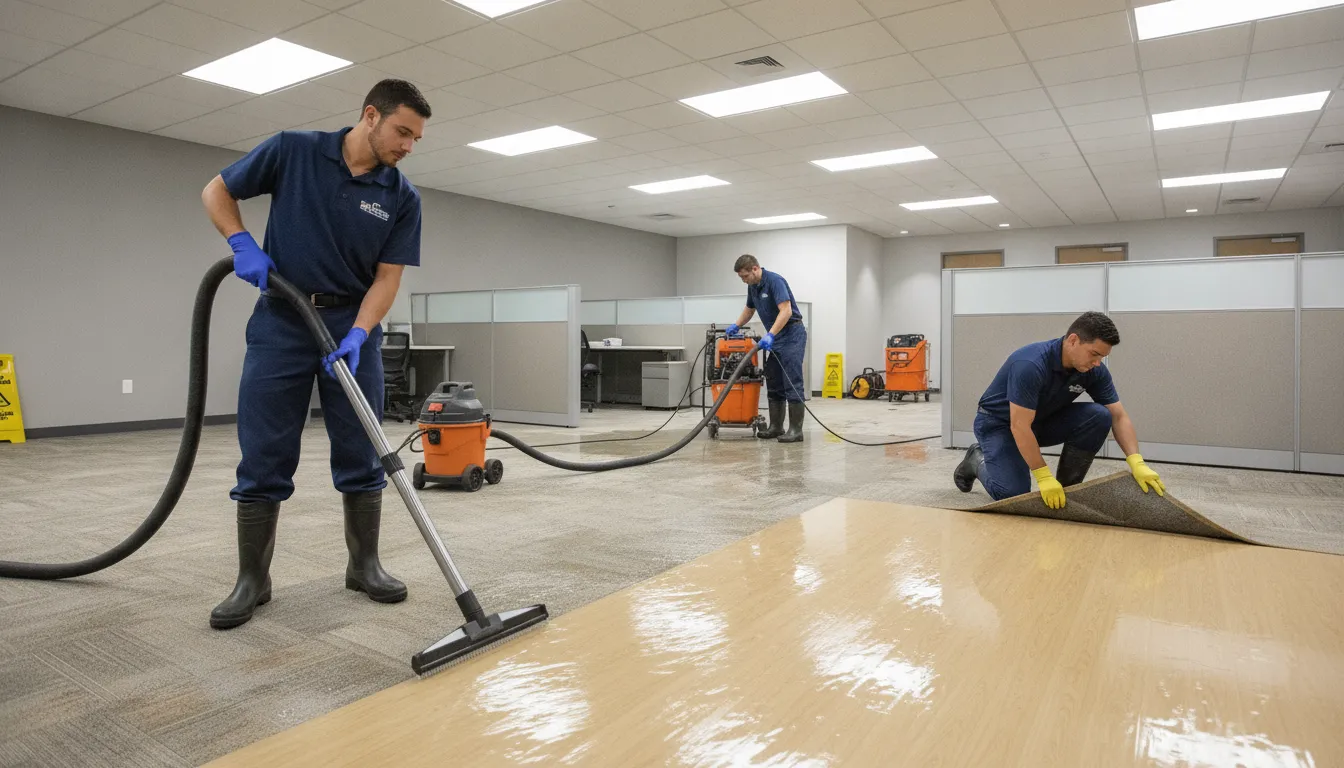
A carpet can feel dry on top while its padding and the floor beneath remain wet. That hidden moisture can lead to lingering odors and damage if it goes unchecked. Emergency water extraction for flooded carpet and flooring helps remove standing water, but extraction is only one part of the response. The affected materials may also need professional drying, moisture checks, cleaning, or removal, depending on the water source and how long the area stayed wet. Cahill’s Carpet & Upholstery Cleaning helps customers in Huntingdon Valley and nearby communities assess water damage and understand what may need attention.
Key Takeaways
- Make safety the first step: Keep people and pets away from flooded areas, avoid electrical equipment near water, and shut off utilities only from a dry, safe location.
- Arrange an assessment promptly: Water can spread beneath carpet and into padding, subfloors, and nearby rooms. A professional can recommend extraction, drying, and cleaning based on the water source and affected materials.
- Choose a qualified local team: Ask about IICRC credentials, moisture checks, service area, and estimate details. Photograph damage when it’s safe, and contact your insurer to ask about coverage.
What Is Emergency Water Extraction for Flooded Floors?
Emergency water extraction is the removal of standing water from carpet and flooring after a leak, plumbing failure, or flood. It’s an important first step, but it may not remove moisture trapped beneath the surface. Carpet padding, subfloors, and nearby walls can remain wet even when the carpet feels dry. Cahill’s offers water damage restoration services in Huntingdon Valley and surrounding communities.
Remove standing water before it reaches padding, subfloors, or nearby rooms
Water can soak through carpet and padding, spread across a subfloor, or move beneath baseboards into adjoining rooms. Prompt extraction can limit how much moisture flooring materials absorb, but a dry-looking surface doesn’t confirm that the layers beneath it are dry.
The longer materials stay wet, the greater the risk of lasting damage and musty odors. Mold can begin growing on wet carpet within 24 to 48 hours, according to Stain Kings’ flood-cleanup guidance. Treat that timeframe as a warning, not a reason to wait. Once the area is safe, contact a professional to assess how far the water spread and which materials may need attention.
Distinguish water extraction, structural drying, cleaning, and restoration
Water extraction removes standing water from floors. Structural drying addresses moisture that has soaked into carpet, padding, subfloors, and other building materials. Professionals may use drying equipment and moisture checks to find damp areas that aren’t visible.
Cleaning and sanitizing are separate steps, and the right approach depends partly on the water source. Restoration refers to the broader process of assessing damage, extracting water, drying affected materials, and deciding what can be cleaned or needs repair. Extraction alone may leave hidden moisture or contamination behind. Water damage restoration guidance from Rumsey Construction explains why drying and other follow-up steps may be needed after the water is removed.
Identify whether the water is clean, contaminated, or sewage and floodwater
The water source helps determine how to handle soaked flooring. A supply-line leak may involve clean water, while water from an appliance or drain may carry contaminants. Sewage and outdoor floodwater can contain harmful substances, so keep people and pets away and avoid contact with the water.
Don’t assume carpet is safe to clean just because the water looks clear. The NC State Extension guide to water-damaged carpets and rugs recommends calling a professional when damage involves gray or black water. If you’re unsure where the water came from, explain what happened when you call for help. A professional can assess the source and recommend appropriate steps for extraction, cleaning, or material removal.
What Should You Do Before Extraction?
Before extraction begins, put safety first. Water can make floors slippery, hide electrical hazards, and damage belongings quickly. Keep people clear of the affected area, and don’t try to remove water with household electrical equipment. Once it’s safe, document the damage and contact a professional for guidance. Cahill’s offers water damage restoration in Huntingdon Valley and nearby Montgomery and Bucks County communities.
Keep children, pets, and occupants away from wet areas
Keep children, pets, and other occupants out of rooms with standing water or soaked flooring. Wet surfaces can be slippery, and floodwater may contain dirt or other contaminants. Mark off the affected area or close the door if you can do so safely, and avoid walking through the water to retrieve belongings. This also gives restoration technicians room to assess the damage and begin work. If anyone has already come into contact with floodwater, help them move to a dry area. Follow these flooded-carpet safety recommendations while you wait for professional help.
Avoid standing water if electricity may be affected
Stay out of standing water if it may have reached outlets, cords, appliances, or other electrical equipment. You may not be able to tell whether an electrical hazard is present just by looking at the water. Don’t step into a flooded room to inspect the floor or retrieve belongings. If you notice sparks, a burning smell, or electrical equipment in or near the water, move away and keep others clear. Call emergency services if you suspect an electrical hazard. Avoid touching wet appliances, cords, or switches, and wait for qualified help before entering the area.
Shut off power only from a dry, safe location; call emergency services if you suspect an electrical hazard
If you can reach the breaker panel without crossing a wet area, and the panel is dry and safe to approach, you may be able to shut off power to the affected space. Never touch a panel, switch, or appliance while standing in water, and don’t enter a flooded room to reach the breaker. If you’re unsure whether the panel is safe, leave it alone and contact emergency services or your utility provider for guidance. The water-extraction safety guidance recommends shutting off power only when it can be done safely.
Stop the water source only if it’s safe
If a burst pipe or leaking appliance is causing the flooding, stop the water only if you can reach the shutoff without entering a hazardous area. You may be able to turn off an accessible valve from a dry location. Don’t enter a flooded basement or go near electrical equipment to reach a shutoff. If the source is unsafe or difficult to access, contact a plumber, your water provider, or emergency services as appropriate. Stopping the flow can limit further damage, but your safety comes first. Once conditions are safe, a restoration professional can assess the affected flooring and explain the next steps.
Keep household vacuums and other electrical equipment away from water
Don’t use a household vacuum, shop vacuum, fan, or other electrical equipment in or near standing water. Plugging in or operating a device on a wet floor can put you at risk of electric shock. Keep cords and equipment away from wet outlets, appliances, and flooring, and don’t assume a shop vacuum is safe for flooded areas. Professional water extraction and drying require suitable equipment and a safe setup. Wait until the area has been assessed before attempting to remove water with electrical tools. If equipment is already near the water, don’t touch it until the area is confirmed safe.
Photograph damage and note when flooding began once the area is safe
When the area is safe to enter, take photos or video of affected rooms, flooring, walls, and damaged belongings. Note when you first noticed the water, when the flooding may have started, and any steps taken to stop the source. This information can help when you speak with your insurer and restoration team. Check your insurer’s instructions before moving or discarding damaged items, unless leaving them in place creates a safety concern. For help with next steps, contact Cahill’s about water damage restoration in Huntingdon Valley and surrounding communities.
How Soon Should Emergency Water Extraction Begin?
Begin arranging professional help as soon as everyone is safe. Water can travel below the visible surface, so a carpet that looks only slightly wet may have soaked padding or the subfloor. Quick action helps limit how long these materials stay wet, but the right response depends on the water source and the extent of the damage.
Call for professional help as soon as it’s safe
Once people and pets are away from hazards, contact a water damage restoration professional. Don’t wait to see whether the carpet dries by itself. Moisture can remain trapped beneath the surface, where it’s difficult to assess without the right equipment. If the water may contain sewage or outdoor contaminants, avoid contact and tell the professional what you know about its source.
Cahill’s offers water damage restoration in Huntingdon Valley and nearby communities. When you call, share when the flooding began, which areas are affected, whether water is still entering, and what may have caused it. These details help the team understand the situation and recommend next steps.
Limit moisture exposure to carpet, padding, subfloors, and hard flooring
Prompt extraction limits the time water has to spread into carpet padding, subfloors, baseboards, and adjoining rooms. Moisture can also affect hard flooring, particularly around seams, edges, and the areas beneath rugs. If it’s safe, move small belongings away from the wet area. Avoid pulling up soaked carpet or padding yourself, especially if the water may be contaminated.
How much damage occurs depends on the flooring materials, the volume of water, and how long the area remains wet. Stain Kings’ guide to carpet after a flood or leak explains that delays can increase the risk of damage to carpet, underlay, and subfloors. A professional can assess which materials need extraction, drying, or further attention.
Treat the 24-to-48-hour mold-growth window as a warning, not a safe waiting period
Mold can begin growing on damp materials within 24 to 48 hours, but that timeframe isn’t a safe period to wait. Conditions vary, and moisture trapped beneath carpeting may remain even after the surface feels drier. Arrange an assessment as soon as the area is safe, then follow the technician’s recommendations for extraction and drying.
NC State Extension’s guidance on water-damaged carpets and rugs recommends addressing wet carpeting promptly to help limit mold and fungal growth. Acting early can reduce how long materials stay damp, but it can’t guarantee that every carpet or floor can be saved. The water source, contamination, and extent of saturation all affect the outcome.
Understand how delays can increase mold, bacteria, odors, allergy, and structural concerns
Materials that stay wet can create conditions for mold and bacteria, contribute to musty odors, and affect indoor comfort. Water may also damage carpet backing, padding, wood subfloors, and nearby building materials. The risk can be greater when water spreads beyond the visible area or comes from sewage, chemicals, or outdoor flooding.
The longer materials remain wet, the more important it is to assess both visible and hidden damage. A guide to assessing flooded carpet describes factors professionals consider when deciding whether carpet can be cleaned and dried or needs removal. Don’t cover wet spots with rugs or use household electrical equipment near standing water. Prioritize safety, then arrange professional extraction and drying promptly.
What Do Water Extraction Professionals Do?
Water extraction involves more than removing puddles from a room. Professionals assess the source of the water, check how far it has spread, and determine which materials may be dried, cleaned, or need removal. The process can help limit further damage to carpet, padding, subfloors, and nearby areas.
Inspect the water source, affected materials, and extent of saturation
Technicians first identify where the water came from and how long the area has been wet. Water from a clean supply line requires a different response than water from a drain or outdoor flooding. They also inspect the carpet, padding, subfloor, and nearby materials, since each can absorb moisture differently. Moisture readings can reveal saturation that is not visible on the surface. Carpet that feels dry may still have water trapped underneath, so the assessment should consider the whole flooring system. These findings guide recommendations for extraction, drying, cleaning, or removal. This flooded-carpet assessment guide explains why water type, time wet, and moisture readings matter.
Extract water from carpet and flooring with professional equipment
After assessing the affected areas, technicians use professional equipment to remove standing and absorbed water from carpet and flooring. Prompt extraction can help limit how much moisture reaches the padding, subfloor, and adjoining rooms. The method depends on the materials and conditions, so household vacuums and other electrical equipment are not a substitute for professional extraction. Technicians may also identify areas that need additional drying or attention once the water has been removed. Extraction is one step in the overall response, not a guarantee that the flooring is dry. Learn more about the process in this overview of carpet water extraction and drying.
Dry and monitor carpet, padding, subfloors, and hidden areas
Removing water is only the beginning. When drying materials in place is appropriate, professionals may use air movers and dehumidifiers to help moisture leave the carpet and surrounding structure. They take moisture readings during the drying process and check affected areas again to assess progress. This matters because padding and subfloors can retain water even when the carpet surface feels dry. Moisture can also remain near walls, under furniture, or in other hard-to-see areas. Monitoring helps technicians determine whether drying is working or whether materials need further attention. Ask what areas will be checked and whether follow-up readings are part of the service.
Clean, sanitize, or deodorize materials as appropriate for the water type
The right cleaning approach depends on the source of the water, the materials affected, and how long they remained wet. Water from a clean supply line differs from water that may contain sewage, chemicals, or outdoor contaminants. If the source is uncertain, keep people and pets away from the area and ask a professional for guidance. Depending on the conditions, technicians may recommend cleaning, sanitizing, deodorizing, or removing affected materials. Carpet and rugs exposed to contaminated water may not be suitable for restoration. The North Carolina Cooperative Extension’s guidance on water-damaged carpets and rugs describes factors that can inform whether materials should be cleaned or replaced.
Document the work and explain next steps
Before work begins, ask the technician to explain what the assessment covers and what services are included. A clear record can note which materials were inspected, where moisture was found, what water was extracted, and whether further drying or removal is recommended. Photos and written notes may also help you share details with your insurer or a contractor. Ask whether the technician plans to take follow-up moisture readings and how you will know when the work is complete. Cahill’s provides water damage restoration services in Huntingdon Valley and nearby Montgomery and Bucks County communities. Its IICRC-certified technicians can explain the findings and recommended next steps for your home or business.
Can You Save Flooded Carpet and Flooring?
Sometimes, flooded carpet and flooring can be saved. The right response depends on where the water came from, how long materials stayed wet, and how far the moisture spread. Water from a clean supply line may leave more options than sewage or outdoor floodwater, which can carry contaminants. Carpet, padding, subfloor, and hard flooring may also respond differently, even when they’re in the same room.
Act as soon as it’s safe, but don’t assume the visible wet area tells the whole story. Water can travel under carpet, between floorboards, and into nearby spaces. The NC State Extension guide to water-damaged carpets and rugs notes that whether to clean or replace materials depends on contamination and how long they were saturated.
A professional assessment can help you understand what may be dried and cleaned, and what may need removal. Cahill’s offers water damage restoration in Huntingdon Valley and nearby communities. Share what you know about the water source and when the flooding began so the technician can recommend suitable next steps.
Consider contamination, exposure time, and how far the water spread
The water source is one of the first things to consider. Water from a clean supply line may be less concerning than water from a drain, sewer, or outdoor flooding. If you don’t know where the water came from, keep children and pets away and ask a professional to assess the area before handling wet materials.
Exposure time matters as well. Moisture can spread beyond the spot you see, and wet carpet can become a place for mold growth. Stain Kings’ flood-cleanup guidance notes that mold spores may begin germinating on wet carpet within 24 to 48 hours. Treat that timeframe as a warning, not a safe period to wait. Arrange an assessment promptly, especially if a large area is soaked or the water may be contaminated.
Assess carpet, padding, subfloor, and flooring materials separately
The carpet surface may feel only slightly damp while the padding beneath it is holding water. Moisture can also reach the subfloor and remain there after the carpet feels dry. Each layer should be checked, since drying the surface alone may leave hidden moisture behind.
Hard flooring needs its own assessment, too. Water can seep between planks or tiles, affect adhesives, or become trapped underneath. The right approach depends on the material and the extent of the exposure. A professional can inspect affected areas and recommend drying, cleaning, or other work based on what they find. Don’t assume a floor is dry just because the surface no longer feels wet.
Identify saturated or contaminated materials that may need removal
Some materials may not be suitable for cleaning and drying, particularly after contact with sewage or outdoor floodwater. Saturated padding can be difficult to dry in place, and contaminated materials may need removal. Consider carpet, padding, and subfloor separately rather than treating the whole floor as one surface. The NC State Extension guidance can help explain why contamination and saturation time matter when deciding whether to clean or replace flooring.
Persistent dampness, musty odors, visible staining, or water that has spread into adjoining rooms are reasons to request a closer inspection. These signs don’t determine on their own what can be saved, but they suggest the moisture may extend beyond the visible area. Avoid pulling up or disposing of materials until you’ve considered safety and documented the damage for your records.
Ask a professional to assess what to save or remove before deciding
Before replacing carpet or trying to save it, ask a water-damage professional to inspect the source of the water, affected materials, and length of exposure. A trained technician can look for moisture below the surface and explain which areas may be candidates for drying and cleaning, and which may need removal. This gives you a clearer basis for deciding than appearance alone.
When you call, share when the flooding began, what caused it if known, and which rooms or materials are affected. Ask what the assessment includes and how drying will be checked. Cahill’s provides water damage restoration for homes and businesses in Huntingdon Valley and nearby Montgomery and Bucks County communities.
What Affects Water Extraction Costs?
Water extraction costs depend on the amount of water, how far it has spread, and which materials need attention. The estimate may include removing standing water, drying affected areas, checking moisture levels, and cleaning. Repairs or replacement of damaged materials may be priced separately.
Before work begins, ask the restoration company to explain what it plans to do and how it arrived at the estimate. If technicians discover hidden moisture or additional damage during inspection, ask how they’ll discuss any changes in scope or price with you.
Consider the affected area, water volume, and exposure time
A contained spill generally takes less work to address than water spread across multiple rooms or floors. The volume of standing water also matters: more water can require additional extraction, drying equipment, and follow-up checks.
The length of time water has been present can affect the work, too. Moisture may seep through carpet and padding into the subfloor or nearby materials, making inspection and drying more involved. A water damage restoration guide explains how the affected area, water volume, and exposure time can shape the scope of a job.
Factor in contamination, flooring type, padding, and subfloor access
The water source helps determine what cleanup is needed. Water from a clean supply line may require a different response from sewage or floodwater, which can carry contaminants. In those situations, technicians may need added protective measures, specialized cleaning, or removal of materials that cannot be safely restored.
Flooring construction matters as well. Carpet can trap water in its padding, while moisture may collect beneath hard flooring. If technicians need to lift materials or access the subfloor to check and dry hidden areas, the work may take longer. Ask how each layer will be assessed. This overview of water extraction costs describes how contamination and material type can affect the process.
Ask what the price includes: extraction, drying, monitoring, cleaning, and after-hours response
A quote may cover more than removing visible water. Ask whether it includes extraction, drying equipment, moisture checks, basic cleanup, and follow-up monitoring. Find out whether technicians will inspect carpet padding, subfloors, and nearby areas for hidden moisture, and whether cleaning or sanitizing is appropriate for the water involved.
Also clarify what may be billed separately, such as material removal, replacement, mold treatment, or reconstruction. If you need help outside regular business hours, ask whether that response carries an additional fee. This restoration cost breakdown outlines services that may be included in a quote and work that may appear as a separate charge.
Request a written estimate and check your policy for coverage
Ask for a written estimate that identifies the affected areas, proposed services, and any exclusions. If the full extent of the damage is not yet clear, ask how the company will let you know about changes to the work or cost as the inspection and drying process continues.
Contact your insurance provider to ask what your policy covers. Coverage can depend on the source of the water and your policy terms, so confirm details rather than assuming all flooding is included. If it’s safe, take photos and keep receipts and service records. This guide to water damage restoration costs recommends reviewing policy details and coordinating with your insurer. You can also ask Cahill’s about its water damage restoration services in Huntingdon Valley and nearby communities.
How Do You Choose a Local Water Extraction Company?
When water reaches carpet or flooring, choosing a qualified local company can help you understand what needs attention and what to do next. Compare a few practical details before you hire: the team’s experience, credentials, equipment, service area, and how clearly they explain their process.
Check reviews, experience, IICRC credentials, and equipment
Look for recent reviews that mention communication, punctuality, and the quality of the work. Ask whether the company has handled water damage in properties like yours, and whether it has experience with your flooring type. These details can help you gauge how the team approaches the job, not just how quickly it can arrive.
Ask whether technicians hold credentials from the Institute of Inspection, Cleaning and Restoration Certification (IICRC), and what equipment they use to extract water and dry affected areas. The IICRC provides professional standards and training for the cleaning and restoration industry. Cahill’s has served local communities for 48 years, and its technicians are IICRC-certified.
Ask how the company measures moisture, monitors drying, and handles contaminated water
Carpet can feel dry on the surface while moisture remains in the padding or below the floor. Ask how technicians check for moisture in affected and nearby areas, what tools they use, and how they determine when drying is complete. A company should be able to explain its approach to checking conditions and sharing updates as work progresses.
Tell the team where the water came from. Water from a supply line may require different precautions than sewage or floodwater. Ask how the company handles contaminated water and whether any materials may need to be removed. These questions help clarify the plan before work begins. You can also review this guide to moisture measurement and drying for questions to raise with a restoration professional.
Confirm service area, availability, insurance, and follow-up recommendations
Confirm that the company serves your address and ask when a team may be available. Share when the flooding began, which rooms are affected, and whether the water source has been stopped. Response times can vary, so giving clear details helps the company assess what kind of help you need. Check Cahill’s service areas to see whether your community is covered.
Before scheduling, ask whether the company is insured and what its estimate includes. Clarify whether extraction, drying, moisture checks, cleaning, and follow-up visits are included or billed separately. Ask what recommendations you’ll receive after the work and whether the company can provide documentation for your insurer. Confirming the service area, availability, and follow-up plan can prevent misunderstandings during an already stressful situation.
Contact Cahill’s for water damage restoration in Huntingdon Valley and nearby Montgomery and Bucks County communities
If your property has flooded and it’s safe to proceed, contact a local restoration professional. Cahill’s Carpet & Upholstery Cleaning provides water damage restoration in Huntingdon Valley and nearby communities in Montgomery and Bucks Counties, including Southampton, Jenkintown, Abington, Willow Grove, Langhorne, and Newtown. The company serves customers within a 20-mile radius, so confirm that your address is within its service area.
When you contact Cahill’s, describe the water source, the affected rooms, and when the flooding started. If you suspect an electrical hazard, stay clear of the area and contact emergency services. You can also review Cahill’s water damage restoration services to learn more about the help available for your home or business.
Choose experienced, bonded professionals who clearly explain the work
Choose a team that answers your questions directly and explains what it can assess before work begins. Ask which areas need inspection, what the extraction and drying process may involve, and whether carpet, padding, or flooring might need to be removed. A professional should explain what is known, what still needs checking, and how you’ll receive updates.
It’s also reasonable to ask about technician experience and whether the professionals are bonded. Cahill’s sends bonded, uniformed technicians, and its team and experience are described on the company website. Clear explanations make it easier to understand the work, keep useful records, and decide how to proceed with your property.
How Can You Prepare for Future Water Damage?
A few simple preparations can make a water emergency easier to handle. Find essential shutoffs, save key contacts, and agree on a safe plan for moving people and belongings.
Locate water shutoffs and electrical breakers before an incident
Find your home’s main water shutoff and learn how to turn it off. If a pipe bursts or an appliance leaks, stopping the water supply can help limit the spread. Make sure other household members know where the valve is, too.
Locate your electrical panel, but never walk through standing water or touch electrical equipment in a wet area. Shut off power only if the panel is in a dry, safe location. If water may have reached wiring, outlets, or appliances, stay clear and contact emergency services or a qualified electrician. Keep household vacuums and other electrical equipment away from water.
Keep insurance information and local restoration contacts easy to find
Save your insurer’s phone number, policy details, and claims instructions somewhere you can access quickly, such as a secure phone note or a folder stored above floor level. Once the area is safe, photograph the damage and record when you noticed the water. Your insurer can explain the claims process and whether restoration work may be covered. Knowing what information to have ready can help make that conversation more straightforward.
Save the contact details of a local restoration company before you need them. Cahill’s provides water damage restoration in Huntingdon Valley and nearby Montgomery and Bucks County communities.
Plan how to move people, pets, and valuables away from flooded areas
Choose a dry, safe place for household members and pets to go if water enters your home. Keep children and animals away from wet flooring, especially when the water source is unknown or may involve sewage. Never walk through standing water to retrieve belongings if electricity could be affected.
If the area is safe to enter, move small furniture, electronics, documents, and valuables to a dry location. Avoid setting furniture on wet carpet, since its legs can stain or damage the fibers. The NC State Extension guidance recommends moving furniture that could be harmed or leave stains. Keep a short checklist so everyone knows what to do.
Related Articles
- Water Damage Restoration Bucks County | Cahill's Carpet
- Signs It's Time for a Carpet Cleaning Sooner Than Scheduled
- Professional Stain Removal Services - Cahill Carpet Cleaning
- Why Carpet Stains Keep Coming Back | Cahill’s Carpet Cleaning
- Carpet Cleaning FAQs | Expert Answers | Cahill's | Huntingdon Valley PA
Frequently Asked Questions
Is emergency water extraction the same as water damage restoration?\ No. Extraction removes standing water, while restoration may also include drying, moisture checks, cleaning, and recommendations about repairing or removing damaged materials. Ask what each service includes before work begins.
Can carpet be saved after a flood?\ Sometimes. The water source, how long the carpet stayed wet, and whether moisture reached the padding or subfloor all affect whether it can be cleaned and dried. A professional assessment can help determine what may be salvageable.
What should I tell a restoration company when I call?\ Share when the water appeared, what may have caused it, which rooms are affected, and whether water is still coming in. Mention if the water could involve sewage or outdoor flooding, and describe any safety concerns.
Does homeowners insurance cover water extraction?\ Coverage depends on your policy and the cause of the water damage. Contact your insurer to confirm what may be covered, and keep photos, receipts, and service records when it’s safe to do so.
Does Cahill’s provide water damage restoration near Huntingdon Valley?\ Yes. Cahill’s serves Huntingdon Valley and nearby Montgomery and Bucks County communities, including Southampton, Jenkintown, Abington, Willow Grove, Langhorne, and Newtown. Contact the company to confirm service for your address.