
Healthcare Facility Cleaning Bucks County PA: What to Ask
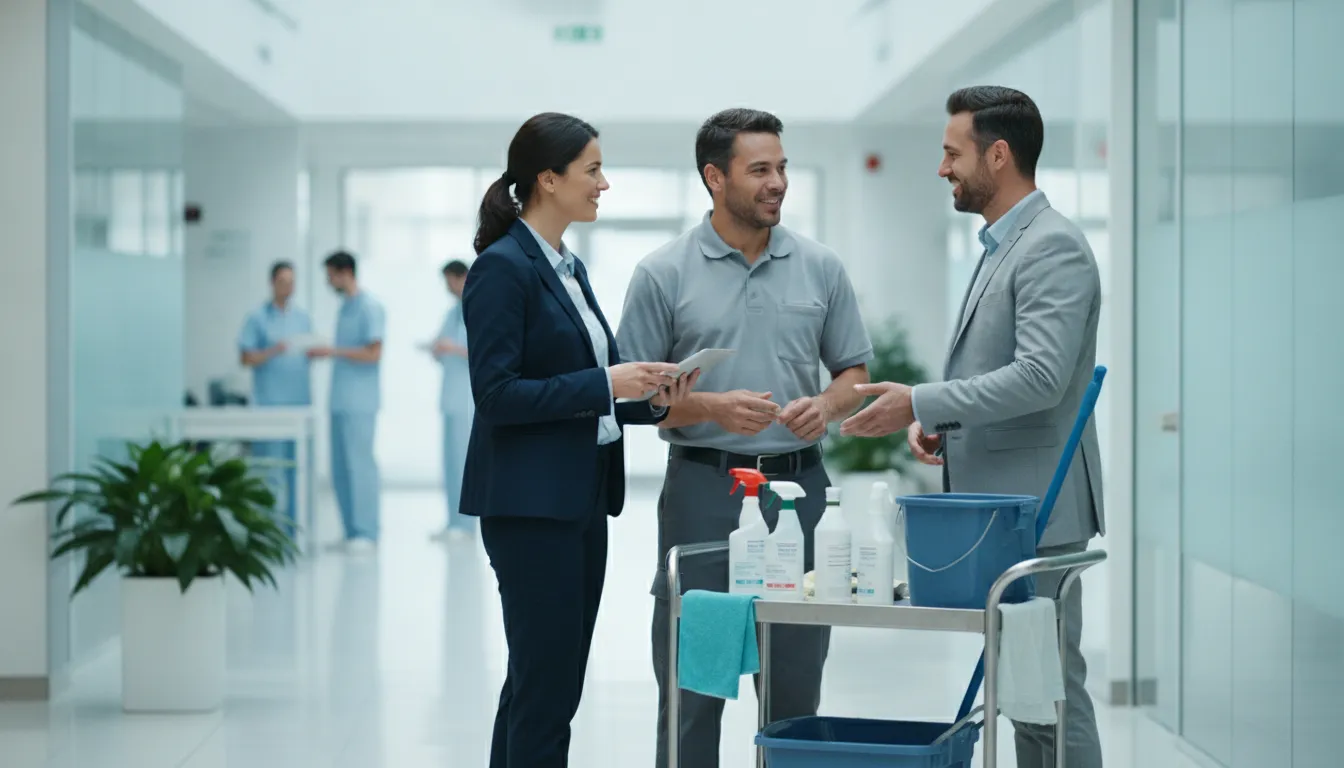
A well-kept reception area can set a professional tone, but healthcare cleaning involves more than what patients see. Busy corridors, restrooms, shared offices, and care spaces may each need a different schedule and approach. If you’re considering healthcare facility cleaning Bucks County PA, begin by identifying your facility’s priorities and infection-prevention procedures. Then ask prospective providers how their proposed work fits those requirements. Confirm which tasks are included, what training applies, and where the provider’s responsibilities end. Clear answers help your team coordinate routine cleaning without assuming that a general service includes clinical disinfection, sterilization, or regulated-waste handling.
Key Takeaways
- Put the cleaning plan in writing: Specify the rooms, tasks, service frequency, access arrangements, and documentation your facility needs.
- Assign clinical tasks clearly: Separate routine environmental cleaning from clinical disinfection, sterilization, medical-equipment care, and regulated-waste handling, then confirm who is responsible for each.
- Match services to your facility: Discuss your schedule, surfaces, and priorities with the provider. Cahill’s offers commercial and specialty cleaning, including carpet, upholstery, area rug, tile, and grout care.
What Does Healthcare Facility Cleaning in Bucks County, PA, Include?
The right cleaning plan depends on your facility’s layout, daily traffic, hours, and existing procedures. A reception area, staff office, and patient-care space may each need a different routine. Before scheduling service, list the areas that need attention and clarify which tasks your cleaning provider will handle. For healthcare-specific infection-control work, confirm that the provider is qualified and that the proposed scope matches your facility’s policies.
Clean reception areas, offices, restrooms, and shared spaces
Reception areas, waiting rooms, offices, restrooms, and break rooms all need consistent care. Routine tasks may include emptying wastebaskets, cleaning floors, wiping agreed-upon surfaces, and restocking restroom supplies. Shared spaces can see steady use from patients, visitors, and employees, so spell out how often each area should be cleaned.
Ask a prospective provider to explain what is included, when staff will work, and how they will follow access rules. Healthcare facilities may need a more detailed plan than a standard office. Anago’s healthcare cleaning guidance recommends tailoring cleaning and disinfection to a facility’s infection-control requirements and frequently touched surfaces. Make sure the provider’s written scope reflects your facility’s own protocols.
Disinfect high-touch surfaces, care for floors, and schedule deep cleans
Door handles, light switches, counters, shared desks, and restroom fixtures are touched throughout the day. Identify which surfaces need routine cleaning, which require disinfection, and how often each task should happen. Your plan should also describe floor care, such as vacuuming, mopping, and periodic deep cleaning, based on the surface type and level of use.
Ask whether deep cleaning can be scheduled during quieter hours to limit disruption. Carpets, upholstery, tile, and grout may need specialized care beyond everyday janitorial work. Cahill’s provides commercial and specialty cleaning services, including carpet, upholstery, tile, and grout cleaning. Confirm that any service is appropriate for the specific area and consistent with your facility’s infection-prevention procedures.
Match cleaning scope to facility type, foot traffic, hours, and site protocols
A small therapy office, a busy medical practice, and a larger care facility have different cleaning needs. Consider how many people use each space, when appointments peak, which areas have restricted access, and when cleaning can take place. Use those details to set the frequency for routine service and periodic detail work.
Share facility rules before work begins. These might include sign-in procedures, staff escorts, approved products, off-limits areas, or instructions for handling waste. Ask the provider to put the agreed scope and schedule in writing. When comparing companies, look for relevant experience and references for similar work. This commercial cleaning provider checklist recommends checking a vendor’s experience, reputation, and examples of past projects.
Distinguish environmental cleaning from clinical disinfection and sterilization
Environmental cleaning generally covers spaces and surfaces such as floors, waiting rooms, offices, and restrooms. Clinical disinfection follows specific infection-control procedures, while sterilization is a separate process used for certain medical instruments and equipment. These services are not interchangeable, so don’t assume a general cleaning agreement covers them all.
Before signing, ask which tasks the provider performs and which remain with your clinical or infection-prevention team. Clarify whether patient-care areas, medical equipment, regulated waste, or specialized rooms are included. Healthcare cleaning supports a well-maintained environment, but it does not replace clinical infection-control procedures. Guidance on choosing a hospital cleaning partner also distinguishes environmental cleaning from clinical infection-control responsibilities. Put those boundaries in writing and align the plan with your facility’s established policies.
Which Cleaning Services Fit Your Facility?
A healthcare facility may need routine commercial cleaning, periodic floor care, or specialty services. Define your priorities and confirm the provider’s scope before scheduling.
Schedule commercial cleaning and periodic floor care
Set cleaning frequency based on foot traffic, operating hours, surface condition, and your facility’s procedures. An administrative office may need a different schedule from a busy waiting room or shared corridor. Ask providers to list the areas they’ll clean, the tasks included, and how often each task will be performed.
Routine commercial cleaning may cover offices, restrooms, and shared spaces. Periodic floor care can address soil that daily maintenance leaves behind. Commercial cleaning guidance also highlights traffic patterns and surface needs when setting a schedule. Put the agreed frequency and scope in writing, and coordinate service times with patient and staff access.
Clean carpets, upholstery, area rugs, tile, and grout
Carpets and upholstered furniture in waiting rooms, offices, and staff areas collect everyday dust and soil. Tile and grout may also need attention, particularly near entrances and in restrooms. Ask which surfaces require routine care and which may benefit from periodic deep cleaning. Then plan the work around facility access and operating hours.
Cahill’s provides commercial cleaning and specialty services, including carpet, upholstery, area rug, and tile-and-grout cleaning. When requesting an estimate, describe the material, location, and any concerns, such as stains or heavy use. Also clarify whether the requested work is general surface cleaning or clinical disinfection. These services are not interchangeable, so confirm that the provider’s scope matches your facility’s needs and procedures.
Address air ducts, dryer vents, and water damage
Consider air duct and dryer vent cleaning as part of your facility’s maintenance planning. Ask what the service covers, which equipment or areas are included, and how the work will fit around patient care and staff schedules. The right frequency depends on the building and its needs, so discuss the site rather than relying on a fixed schedule.
Water intrusion requires prompt attention and coordination. Follow your facility’s procedures, notify the appropriate building or restoration professionals, and clarify which areas are affected. Cahill’s lists air duct and dryer vent cleaning and water damage restoration. When you request a quote, explain the issue and ask what tasks the provider can perform. Confirm who is responsible for any repairs, specialized remediation, or clinical cleaning beyond that scope.
Confirm whether services cover patient-care areas, medical equipment, or regulated waste
A standard commercial cleaning agreement may not cover patient-care areas, medical equipment, or regulated waste. Ask the provider to name the rooms and surfaces included, identify exclusions, and confirm whether staff have the training and equipment for each requested task. Your facility’s infection-prevention procedures should guide these decisions.
Some healthcare spaces require cleaning protocols tailored to the facility. Medical office cleaning guidance describes protocols based on infection-control needs, while specialized clinical tasks may require a separate provider. Put responsibilities in writing, including who handles disinfection, waste, and coordination with your team. If a task falls outside the provider’s scope, confirm which qualified professional will manage it before service begins.
Which Infection-Control Practices Should You Verify?
A healthcare cleaning plan should spell out what gets cleaned, which products and tools staff use, and how the work fits your facility’s infection-prevention procedures. Don’t assume that a general commercial cleaning agreement includes clinical disinfection, medical-equipment cleaning, or regulated-waste handling. Ask the provider to define its service boundaries in writing, including any tasks that require a clinical team or specialized contractor.
Before work begins, review your facility’s policies with the provider and agree on schedules, room access, documentation, and points of contact. Be specific about waiting rooms, restrooms, offices, and other shared spaces, as well as any areas with additional requirements. If you’re considering Cahill’s commercial cleaning services, ask which tasks are appropriate for your facility and confirm the scope before scheduling. Clear expectations help your staff and the cleaning team coordinate their responsibilities.
Check disinfectant registration, label directions, and contact times
Ask which disinfectants the provider plans to use and whether they are registered for the intended use. The product label explains which surfaces the product can be applied to, how to use it, and how long it must remain visibly wet to work as directed. That period is called the contact time. If a surface dries too soon, the product may not have had the required time to act.
Ask how cleaning staff learn these instructions and how supervisors check that they follow them. Avoid assuming one product is suitable for every room, surface, or situation. Anago Cleaning’s healthcare guidance highlights the importance of following label directions and recommended contact times.
Set high-touch cleaning schedules and prevent cross-contamination
Door handles, reception counters, light switches, restroom fixtures, and shared work surfaces may need more frequent attention than areas that see less use. Work with the provider to identify high-touch points and document how often each should be cleaned. The schedule should reflect patient volume, operating hours, room use, and your facility’s infection-prevention procedures.
Ask how staff prevent soil or germs from moving between rooms. Depending on the agreed tasks, safeguards may include changing cloths between spaces, replacing mop heads as needed, and keeping restroom supplies separate from those used in other areas. Find out how completed tasks are checked and how missed work is reported. Anago’s healthcare cleaning overview explains that cleaning protocols should suit the needs of each facility type.
Use area-specific tools and clean-to-dirty workflows
Ask whether the provider assigns tools to specific rooms or zones, particularly for restrooms, waiting areas, offices, and patient-care spaces. Color-coded cloths or labeled equipment can help staff keep supplies separate. Also ask how used tools are collected, cleaned, or replaced so they do not carry contaminants from one surface or area to another.
A clean-to-dirty workflow means staff start in cleaner areas and move toward dirtier ones, following your facility’s procedures for room order and task sequence. The provider should explain this process during onboarding rather than leave it to individual preference. Clarify whether the work includes laboratories, surgical suites, or medical equipment, since those areas may require specialized protocols. Township Services outlines the need for specialized healthcare cleaning in settings with clinical spaces and equipment.
Provide PPE, chemical safety information, and cleaning logs
Ask what personal protective equipment staff will use for each task and how they are trained to select, put on, and remove it safely. The provider should also explain how it stores and handles cleaning products, makes chemical safety information available, and responds to spills or accidental exposure. Your staff should know whom to contact with questions about a product or procedure.
Cleaning logs can show which areas were serviced, when the work was completed, and whether a task needs follow-up. Ask how the provider maintains these records, who reviews them, and how your facility can access them. Documentation should match the agreed scope and your recordkeeping needs. ServiceMaster Clean identifies PPE, chemical safety information, and cleaning logs as elements of a structured cleaning protocol.
Align cleaning with your facility’s infection-prevention procedures
Share your written policies with the provider before service begins, then review how its work will fit alongside clinical protocols and staff responsibilities. Agree on room access, cleaning times, procedures for restricted or isolation areas, escalation contacts, and how schedule changes will be communicated. Make sure everyone understands which tasks belong to the cleaning provider and which remain with clinical staff or a specialized contractor.
Ask the provider to document the agreed scope and review it when your facility’s needs change. Routine commercial cleaning can support a clean, orderly environment, but it does not replace clinical disinfection or sterilization. Clean Team recommends aligning cleaning practices with a facility’s infection-prevention procedures.
What Training and Compliance Should You Expect?
Before hiring a healthcare cleaning provider, ask how the team is trained, supervised, and prepared to follow your facility’s procedures. Confirm which areas and tasks are included, what qualifications staff have, and how the provider documents completed work. It’s also important to define what falls outside the cleaning contract, such as clinical disinfection, medical equipment, or regulated waste handling.
Train staff in infection prevention, bloodborne pathogens, PPE, and workplace safety
Ask how employees learn to recognize hazards, use personal protective equipment (PPE), and follow infection-prevention procedures. Training should reflect the work staff will perform in your facility and address what to do if they encounter blood or other potentially infectious materials. OSHA’s Bloodborne Pathogens standard outlines protections for workers who may face exposure on the job.
Find out who provides the training, how often it is refreshed, and how employees receive instructions about your site’s rules before entering care areas. General janitorial training may not cover every task or restriction in a healthcare setting. Ask the provider to explain how staff are prepared for the specific spaces they will clean, including any areas with special access or safety requirements.
Teach safe chemical handling and hazard communication
Cleaning products should be used according to their labels, including instructions for dilution, ventilation, surface compatibility, and contact time. Ask how staff learn to handle and store products safely, respond to spills, and find product labels and Safety Data Sheets. These documents explain chemical hazards and the steps workers should take to protect themselves.
OSHA’s Hazard Communication standard covers how employers share information about workplace chemical hazards. Your facility should also tell the cleaning provider which products are approved, where they may be used, and whether particular surfaces or areas require precautions. Put those expectations in writing so staff and supervisors can refer to the same instructions.
Supervise staff, provide refreshers, and keep training records accessible
Initial training matters, but so does ongoing supervision. Ask who oversees the cleaning team, how supervisors check that procedures are followed, and how the provider responds when a task is missed or a concern is raised. Refresher training can help employees stay current when products, assignments, or site procedures change.
Clarify which records the provider can share, such as training documentation, cleaning schedules, and completed task logs. Agree on who will provide the records and how you can request them. Accessible documentation helps facility managers review whether agreed tasks are being completed and follow up when something needs attention. It also gives both parties a clear reference if the scope or schedule changes.
Follow applicable OSHA requirements, CDC guidance, and facility policies
Ask how the provider will coordinate with your facility’s infection-prevention lead and follow site rules for access, cleaning schedules, and restricted areas. The CDC’s guidance on environmental cleaning offers information on cleaning practices in healthcare settings. A provider should be prepared to discuss how its work fits within your facility’s procedures.
Be specific about the limits of the cleaning contract. Routine environmental cleaning is not the same as clinical disinfection or sterilization, and cleaning medical equipment may require separate qualifications and instructions. Confirm who handles each task, which areas are included, and what documentation is expected. Record these responsibilities in the service agreement before work begins.
Verify relevant credentials, such as IICRC training for carpet cleaning
Ask whether technicians have credentials relevant to the work they will perform, particularly for carpet, upholstery, or restoration services. The IICRC provides training and certification for cleaning and restoration professionals. Cahill’s has IICRC-certified technicians and offers commercial and specialty cleaning services, including carpet and upholstery care.
A cleaning or restoration credential does not automatically qualify a provider to perform clinical infection-control tasks. Verify healthcare-specific training separately, and make sure each credential matches the work in your service agreement. When discussing a quote, ask Cahill’s to confirm which services fit your facility’s needs, what areas its team can address, and which tasks require a different qualified provider.
How Can Professional Cleaning Support Patients and Facility Operations?
A consistent cleaning plan helps keep shared spaces orderly, care for frequently used surfaces, and make daily operations easier to manage. In a healthcare setting, the plan should reflect your facility’s layout, traffic, operating hours, and infection-prevention procedures. Before work begins, agree on which tasks the cleaning provider will perform and which remain with your clinical or environmental-services team.
Keep shared spaces and work areas clean
Reception areas, waiting rooms, offices, restrooms, and staff spaces see regular use throughout the day. A written schedule helps your team track routine cleaning and clarify who is responsible for each task. Identify frequently touched surfaces, such as door handles, counters, light switches, and shared desks, and set cleaning and disinfection expectations with your facility’s infection-prevention lead.
Schedule work around patient appointments, staff needs, and access restrictions. Ask how the cleaning team will enter and leave each area, and how staff should report a spill or an urgent cleaning need. You can discuss Cahill’s commercial cleaning services as part of your facility’s plan, then confirm that the specific tasks and areas fit your requirements.
Create a welcoming environment for patients, visitors, and staff
Clean floors, tidy waiting areas, and well-kept restrooms contribute to a professional setting for patients, visitors, and staff. Regular care can also keep visible dirt and spills from accumulating in busy spaces. Start by noting the areas that shape a visitor’s first impression, such as entrances, reception desks, and waiting-room seating, and share those priorities when requesting service.
Discuss the best times for cleaning, along with any quiet hours, privacy needs, or access limits. If your facility serves patients throughout the day, agree on how staff can move safely around cleaning work. Cahill’s serves Bucks County and nearby communities, and can discuss service availability and scheduling for your location.
Care for floors, furnishings, and finishes
Carpet, upholstery, tile, and grout need care suited to their material, condition, and use. Entrances and corridors may collect soil quickly, while waiting-room chairs and other furnishings may need periodic professional cleaning. Ask which methods are appropriate for each surface, how often to schedule service, and how long areas may need to remain clear during and after cleaning.
Before booking, confirm which rooms and items are included, what preparation your staff should complete, and whether drying time could affect access. Cahill’s offers carpet, upholstery, tile, and grout cleaning. Make sure the agreed scope clearly excludes clinical equipment or other items unless the provider is qualified and authorized to clean them.
Remember that environmental cleaning supports, but does not replace, clinical infection control
Cleaning building surfaces is one part of a healthcare facility’s infection-prevention plan. It does not replace clinical disinfection, sterilization, or procedures for handling blood and other potentially infectious materials. Those activities may require specific training, products, equipment, and oversight. Define which areas and tasks the contractor will handle, and which belong to your clinical or environmental-services team.
Ask your infection-prevention lead to review the scope before service begins. The CDC’s guidance on environmental infection control offers information on environmental cleaning in healthcare settings. Use it alongside your facility’s policies and professional guidance. Document task boundaries, reporting steps, and the process for responding to spills or urgent cleaning requests.
How Should You Evaluate a Healthcare Cleaning Provider?
Choosing a cleaning provider for a healthcare facility takes more than comparing quotes. You need to know which tasks the company can perform, how its team will work around patients and staff, and how it will document and check its work. Start by describing your facility, the areas that need attention, and any site-specific rules. Ask each provider to explain its proposed schedule, staffing, products, equipment, and quality checks in plain language.
Be especially clear about the difference between routine environmental cleaning and clinical disinfection. A commercial cleaner may be able to care for offices, reception areas, floors, and furnishings, but that does not automatically mean it can disinfect patient-care areas, clean medical equipment, or manage regulated waste. The CDC’s environmental infection-control guidance can help you frame questions about cleaning responsibilities and facility procedures. Your infection-prevention lead should confirm which tasks require specific training or must stay with qualified clinical staff.
Cahill’s provides commercial and specialty cleaning in its service area, including carpet, upholstery, tile, and grout care. Its service list is a helpful starting point, but contact the company to confirm whether your facility’s requested work fits its scope. Put agreed services, exclusions, scheduling, and reporting expectations in writing before service begins.
Verify healthcare experience, service boundaries, insurance, and bonding
Ask how much experience the provider has with healthcare facilities and what types of sites it has served. Request examples that resemble your facility, along with current proof of insurance and confirmation of bonding. Years in business can be useful context, but relevant experience and clear procedures matter more than a general claim of expertise.
Get a written scope that names the rooms, surfaces, and services included, as well as any exclusions. Confirm whether the proposal covers patient-care spaces or only administrative and shared areas. Cahill’s describes its team as bonded and its technicians as IICRC-certified, but those credentials do not, by themselves, establish qualification for clinical disinfection or regulated tasks. Ask the provider directly about your needs and review its services before treating any task as included.
Ask how the provider handles access, privacy, scheduling, and coordination
Discuss how cleaners will enter the facility, handle keys or badges, and respect restricted areas. Ask what steps staff take if they encounter confidential documents or patient information, and identify spaces the cleaning team should not enter. Your facility should provide its own privacy and access rules, while the provider explains how it will communicate and follow them.
Agree on cleaning hours that fit patient appointments, staff shifts, and facility operations. Clarify how the team will coordinate with your point person, report delays, and respond to schedule changes or urgent requests. The cleaning plan should reflect the site’s size, traffic, and hours rather than rely on a standard schedule. Summit Facility Services’ evaluation guide also recommends matching staffing and service arrangements to the facility. Ask who your regular contact will be and how to reach them.
Review quality checks, documentation, and complaint resolution
Find out who supervises the work, how often inspections happen, and what the provider does when a task is missed. Ask whether it can keep service records, note problems, and document follow-up. If your facility expects cleaning logs or other records, describe the format and frequency you need before signing an agreement.
A dependable process should make it easy to report a concern and know what happens next. Confirm who receives complaints, how quickly the provider responds, and how recurring issues lead to changes in staffing or procedures. Ask whether inspections use a checklist and whether results can be shared with your facility contact. Coverall’s guide to evaluating cleaning services emphasizes reviewing how providers maintain and assess service quality. Specific answers will help you compare companies and set expectations from the start.
Look for patterns in reliability, communication, consistency, and follow-through
Ask how the company handles staff absences, late arrivals, and requests that fall outside the regular schedule. A provider should explain how it maintains coverage when a usual team member is unavailable and how it informs your facility about a delay or service change. These details matter when cleaning needs to happen around a busy care schedule.
Notice how the provider communicates before the contract begins. Does it answer questions clearly, send the information it promised, and provide a detailed scope and schedule? These are useful signs of how the relationship may work once service starts. Ask each provider the same questions so you can compare responses consistently. When you contact references, ask about punctuality, communication, and follow-through, as recommended in Summit Facility Services’ provider evaluation guidance.
Prioritize detailed, relevant feedback over isolated praise or complaints
Online reviews can help you identify questions to ask, but one positive or negative comment does not tell you how a provider will perform at your site. Look for repeated, specific feedback about punctuality, communication, consistent results, and how concerns were handled. Reviews from a facility similar to yours are usually more relevant than general comments about residential service.
Ask references what work the provider performed, how long it served the facility, and whether it followed the agreed schedule. Find out what happened when an issue arose and whether the response resolved it. Cleaning requirements differ by traffic, surface type, and facility use, so weigh feedback in that context. Focus on detailed examples and recurring themes rather than treating any single review as a guarantee of future performance.
Check references and clarify who handles clinical disinfection and regulated tasks
Request references from clients with facilities and service needs similar to yours. Ask whether the provider arrived as scheduled, kept the agreed scope, communicated changes, and addressed concerns promptly. If you need a specialized service, check whether the reference can speak to that work rather than relying on feedback about unrelated cleaning.
Before work begins, assign responsibility for clinical disinfection, medical equipment, sharps, and regulated waste. Do not assume these tasks are part of a general commercial cleaning agreement. Confirm that the provider’s training and scope match your facility’s procedures, and arrange qualified staff or a specialist for work outside that scope. The CDC’s environmental infection-control recommendations offer useful context, but your facility’s infection-prevention lead should determine the procedures that apply at your site.
What Misconceptions Should Healthcare Facilities Avoid?
Healthcare facilities should clarify exactly what a cleaning provider will do before scheduling service. A routine commercial cleaning plan may cover shared spaces and building surfaces, but it does not automatically include clinical disinfection, medical equipment cleaning, or regulated waste handling. Those tasks can call for specific training, products, equipment, and facility procedures.
Start by identifying the areas that need attention, how often they should be cleaned, and who is responsible for each task. Ask providers to describe their training, products, work process, and service limits. Then confirm the proposed scope with your facility’s infection-prevention lead or other appropriate staff. The CDC’s environmental cleaning guidance can help facilities distinguish routine environmental cleaning from other infection-prevention practices.
Cahill’s provides commercial cleaning and specialty services, but each facility should confirm that a requested task fits the provider’s capabilities and its own policies. Review the company’s available services and ask for a written description of what is included, what is excluded, and which responsibilities remain with facility staff. These conversations help everyone understand the scope before work begins.
“Any commercial cleaner can handle clinical cleaning”
Experience cleaning offices or retail spaces does not necessarily prepare a team to clean patient-care areas. Healthcare settings may require specific procedures for disinfecting surfaces, using personal protective equipment, preventing cross-contamination, and working around patients and staff. Ask what training cleaning staff receive, which spaces they are prepared to service, and how supervisors check that procedures are followed.
Be clear about the difference between routine environmental cleaning and clinical tasks. A provider may be equipped to clean floors, waiting areas, and restrooms without being responsible for clinical disinfection or patient-care equipment. Confirm the provider’s scope against your facility’s infection-prevention procedures, and document who handles each task. This helps prevent assumptions about responsibilities and gives staff a clear point of contact if questions come up.
“Disinfectant works as soon as it’s applied”
Most disinfectants need to remain wet on a surface for a specific contact time to work as directed. If someone wipes a surface dry too soon, the product may not have enough time to be effective. The required time varies by product, so staff should follow the label rather than rely on a general rule.
Ask which products the provider plans to use and how staff will follow their directions, including contact times and surface compatibility. The EPA’s information on registered disinfectants explains how to find product details and label instructions. Your facility’s infection-prevention lead can help determine which products and procedures are suitable for particular areas. Include these expectations in the cleaning plan, especially for high-touch surfaces that need attention throughout the day.
“Cleaning, disinfection, and sterilization mean the same thing”
These terms describe different levels of treatment. Cleaning removes soil and organic material from a surface. Disinfection uses a product to inactivate or destroy many germs on surfaces, while sterilization eliminates all forms of microbial life. Routine environmental cleaning does not, by itself, mean that an item has been sterilized or that every piece of patient-care equipment has been disinfected.
Ask your infection-prevention lead to define which tasks belong to environmental services and which must be handled by clinical staff or a specialized service. The CDC’s guidance on environmental cleaning offers useful context for separating routine cleaning from other infection-control procedures. Put responsibilities in writing, including who cleans shared surfaces, who handles equipment, and how staff should report a missed or incomplete task.
“A general cleaning quote covers medical equipment or regulated waste”
A quote for routine commercial cleaning might include agreed-upon areas such as floors, restrooms, offices, and waiting rooms. Do not assume it also covers medical equipment, sharps, or regulated medical waste. Those responsibilities may require specialized training, designated handling procedures, or coordination with clinical staff and a qualified waste-management provider.
Request a written scope that lists the areas, tasks, products, and exclusions. Ask who is responsible for equipment cleaning and waste handling, and check that the plan aligns with your facility’s policies. If you are considering commercial cleaning or specialty services such as carpet and upholstery care, contact Cahill’s to discuss the work and confirm whether it fits the requested scope. Clarifying these details before service begins helps prevent misunderstandings about what the cleaning team will, and will not, handle.
How Can Bucks County Facilities Request a Tailored Quote?
Share facility type, square footage, hours, and priority areas
Start by describing your facility, such as a medical office, clinic, or administrative space. Include its approximate square footage, number of rooms, operating hours, and the areas that need attention. For example, mention busy waiting rooms, shared restrooms, carpeted offices, or floors that require special care. These details help a provider understand the work involved and plan around your schedule. Facility size and use can affect staffing, equipment, and cleaning plans, as commercial cleaning guidance notes. Focus on the space and services needed, not patient information. If you have areas with restricted access or special site instructions, flag them when you first request a quote.
Specify service frequency, floor or upholstery needs, and access requirements
Clarify whether you need a one-time deep clean, recurring commercial cleaning, or periodic care for floors and furnishings. List any specific needs involving carpets, upholstery, area rugs, tile, or grout, and explain how often you’d like each service. Also share practical access details, such as approved entry times, alarm procedures, or spaces that must remain undisturbed. If patient appointments or staff shifts affect when cleaning can take place, include those constraints. Cleaning frequency can depend on traffic, facility requirements, and the surfaces in each area, so planning around those factors helps establish a realistic scope. Be sure to explain any site-specific procedures your cleaning provider will need to follow.
Ask Cahill’s about commercial cleaning and relevant specialty services
Describe the tasks you need and ask whether Cahill’s can provide them for your facility. Its commercial cleaning and specialty services include carpet, upholstery, area rug, tile and grout, air duct, dryer vent, and water damage services. These may be useful if your request includes more than routine cleaning. Confirm which services are appropriate for your setting and whether any requested work falls outside the provider’s scope. In particular, ask who is responsible for cleaning patient-care areas, medical equipment, handling regulated waste, and performing clinical disinfection. Don’t assume these tasks are included in a general cleaning quote. Your facility may need a qualified specialist, and its own infection-prevention policies should guide the decision.
Confirm experience, protocols, scope, products, availability, and pricing before scheduling
Before booking, confirm which areas and tasks the quote covers, who will perform the work, and what products and equipment the team plans to use. Ask whether the products and proposed process fit your facility’s requirements. Review the schedule, access arrangements, expected job duration, and total price, including any additional charges. It’s also helpful to discuss how the team will coordinate with your staff and follow site-specific instructions. Cahill’s shares information about its experience and approach on its About page. Review those details, then ask any questions specific to your facility. Clearly identify the infection-prevention procedures your organization requires, and confirm who handles clinical disinfection before agreeing on a start date.
Related Articles
- Bucks County Carpet & Upholstery Cleaning | Cahill's | PA
- Professional Commercial Carpet Cleaning Services | Cahill's
- Professional Cleaning Services | Cahill's | Huntingdon Valley PA
- Tile and Grout Cleaning After Winter | Cahill’s
- Professional Air Duct Cleaning Services | Cahill's | Huntingdon Valley PA
Frequently Asked Questions
What should I include when requesting healthcare facility cleaning in Bucks County, PA?\ Share your facility type, approximate size, operating hours, priority areas, and the services you’re considering. Include access rules and scheduling needs, but don’t share patient information. These details help the provider assess whether the requested work fits its services.
Can a commercial cleaning provider disinfect patient-care areas?\ That depends on the provider’s training, procedures, and agreed scope. Ask which rooms and surfaces the team is qualified to handle, and confirm the plan with your facility’s infection-prevention lead. Routine commercial cleaning does not automatically include clinical disinfection.
Does a general cleaning contract include medical equipment or regulated waste?\ Not necessarily. Ask the provider to list these tasks explicitly in the written agreement. Medical equipment and regulated waste may require specialized staff or a separate service, based on your facility’s policies.
Can Cahill’s clean carpets, upholstery, tile, and grout at a medical office?\ Cahill’s offers commercial and specialty cleaning, including carpet, upholstery, tile, and grout care. Contact the company to discuss your facility, the surfaces involved, and whether the requested work fits its scope and your site procedures.
How do I schedule cleaning around patients and staff?\ Tell the provider when your facility is busiest, which areas have access restrictions, and when cleaning can take place. Agree on service hours, entry procedures, and a facility contact before work begins.