
How to Clean Carpet: A Safe Step-by-Step Guide
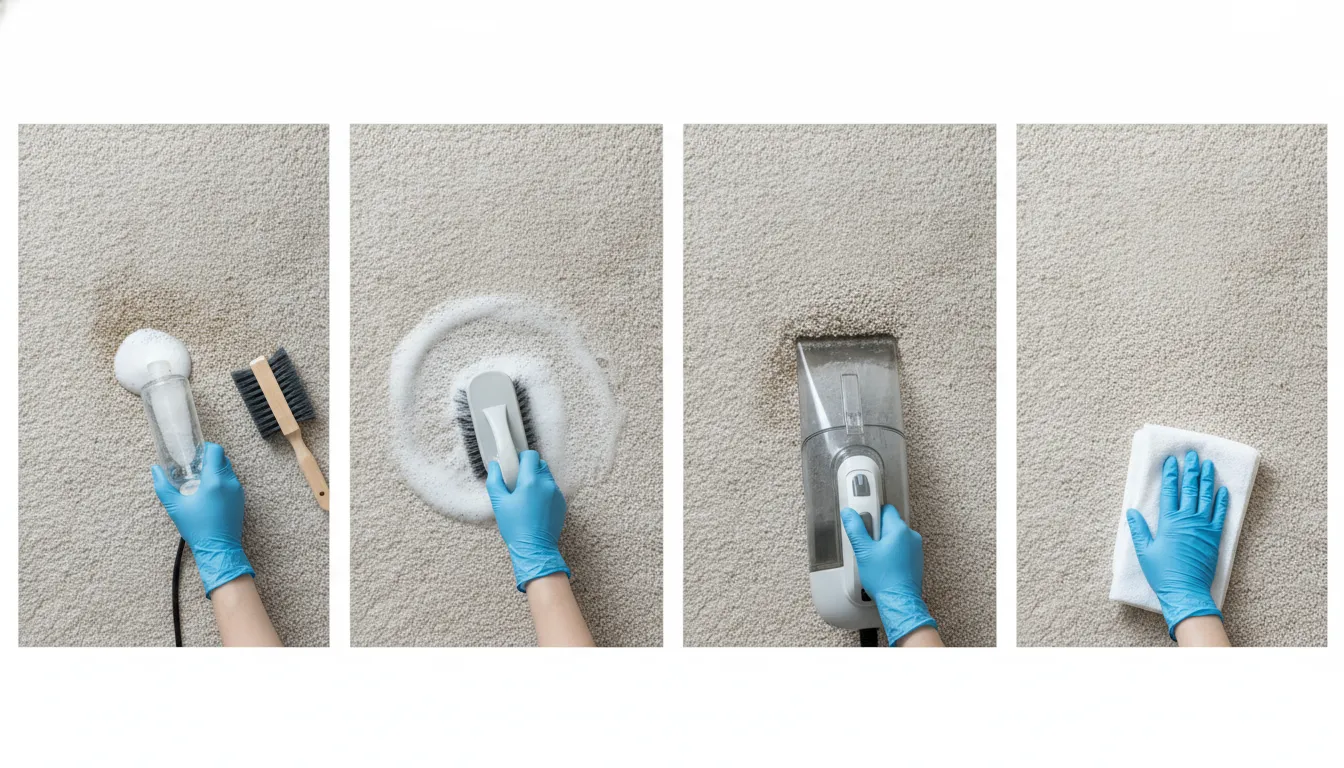
A clean carpet starts with more than a bottle of spray and a rented machine. Using too much water, scrubbing too hard, or choosing the wrong product can leave stains, residue, and damaged fibers behind. If you want to learn how to clean carpet effectively, start by understanding the material and the type of soil or stain involved. This guide covers practical steps for preparing the room, removing dry debris, treating spills, choosing safer cleaning solutions, and drying the carpet completely. It also explains when to call a professional, especially for pet odors, delicate rugs, deep stains, and moisture that has reached the padding.
Key Takeaways
- Prepare the carpet first: Check the fiber and care label, inspect for damage, remove furniture and debris, vacuum slowly, and test every unfamiliar product in a hidden area.
- Clean with controlled moisture: Use a carpet-safe, low-residue solution, blot instead of scrubbing, avoid mixing chemicals, extract excess water, and keep children and pets off the carpet while it dries.
- Call Cahill’s for complex problems: Professional cleaning is the safer choice for delicate rugs, persistent stains or odors, widespread soil, saturated padding, flooding, and other moisture-related damage.
Prepare to Clean Carpet Safely
Safe carpet cleaning begins before you add water or cleaning solution. A few minutes of preparation can help prevent color bleeding, excess moisture, fiber damage, and stains from spreading. It also gives you a chance to identify existing wear, choose the right products, and plan how the carpet will dry.
Start by reviewing the carpet’s care instructions and checking its overall condition. If you are cleaning a natural-fiber carpet, delicate area rug, or heavily worn flooring, use extra caution. When you are unsure which method is suitable, contact a professional carpet cleaner rather than testing multiple products. Cahill’s carpet cleaning services are performed by trained technicians who use professional equipment for residential and commercial carpets.
Clear furniture, toys, and loose items
Remove toys, shoes, baskets, pet supplies, and other loose items from the carpet. These objects can obstruct a vacuum or carpet cleaner, collect moisture, and make it harder to clean around edges. Clearing the room also lets you see the entire carpet and locate stains, worn areas, or damage before cleaning begins.
Move lightweight furniture onto a dry, hard surface. For heavier pieces, ask someone to help instead of dragging them across the carpet. If an item must stay in place, place foil, baking paper, or furniture tabs beneath its legs. This helps prevent wood stain from transferring to damp carpet. Never drag furniture across wet fibers, since the movement can flatten the pile or spread soil.
Check the fiber, backing, pile, and care label
Identify the carpet fiber before selecting a cleaning product or machine setting. Nylon, polyester, olefin, and wool can react differently to water, heat, agitation, and stain removers. Check the pile height and backing, too, since they affect how quickly the carpet dries and how much moisture it can safely handle.
Read the manufacturer’s care instructions before cleaning. Some carpets and rugs are not designed for water-based products, while others require low-moisture cleaning or specialty solutions. Bissell’s carpet cleaning guide recommends checking the material and testing products before treating the full surface. If the label is missing, use a cautious approach and avoid strong chemicals.
Inspect seams, padding, worn areas, and loose edges
Inspect the carpet before applying moisture. Look for loose seams, ripples, frayed edges, exposed backing, worn traffic lanes, and areas that have pulled away from the tack strips. Press gently around suspicious spots to check for soft or uneven padding. Persistent dampness, a musty odor, or discoloration that seems to come from underneath may indicate a moisture problem.
Cleaning can worsen existing damage. Excess water may spread into compromised padding, while vigorous brushing can pull loose fibers or increase fraying. Take photos of damaged areas before you begin so you have a clear record of their condition. If a leak or flooding caused the problem, contact Cahill’s for water damage restoration instead of treating it as a routine stain.
Protect walls, furniture legs, and hard floors
Control spray and water near baseboards, walls, and doorways. Excess moisture can seep into trim or run onto hardwood, laminate, and other flooring. Keep clean towels nearby to catch drips, and avoid saturating the carpet along room edges where moisture may dry slowly.
If furniture remains in the room, place foil, baking paper, or waterproof furniture tabs beneath the legs. These barriers help keep wood stain off damp carpet. Protect hard floors from dripping equipment by placing the machine on a mat when filling or emptying its tank. After cleaning, do not leave unprotected furniture legs on wet carpet. Wait until the area dries or use blocks that allow air to circulate underneath.
Gather tools and plan airflow
Prepare your supplies before cleaning so you do not need to walk across treated carpet. Depending on the method, you may need an upright vacuum, carpet-safe formula, stain remover, warm water, white microfiber towels, a soft-bristle brush, gloves, measuring tools, and a carpet cleaning machine. Follow the product label carefully, since excess formula can leave residue that attracts new soil.
Plan the drying process in advance. Open windows when outdoor humidity is low, position fans to move air across the carpet, and use a dehumidifier if the room feels damp. Keep electrical cords away from standing water and leave a clear path through the room. Professional cleaners such as Cahill’s Carpet & Upholstery Cleaning use hot-water extraction equipment and professional drying practices to help remove moisture efficiently.
Patch-test products for colorfastness
Test an unfamiliar cleaner on a small, hidden area before applying it to a visible stain. A spot behind a door, beneath a sofa, or inside a closet can reveal fading, discoloration, dye transfer, or texture changes. Apply a small amount according to the product instructions, then blot the area with a clean white towel.
Let the test spot dry completely before evaluating it. Some changes do not appear until the carpet dries. If color transfers to the towel, the fibers become stiff, or the area looks different, do not use the product across the carpet. Be especially careful with wool, dark colors, patterned carpets, and older flooring. Testing carpet cleaners first can prevent a small stain from turning into widespread discoloration.
Keep children and pets away
Move children and pets to another room before you begin. Wet carpet, electrical cords, cleaning products, and heavy equipment can create safety hazards. Pets may also walk through treated areas, lick residue from their paws, or return to a familiar accident spot before the carpet has dried.
Keep everyone off the carpet until it is completely dry. Foot traffic can press soil into damp fibers and leave fresh marks, while furniture can trap moisture underneath. Use closed doors, pet gates, or temporary barriers to keep the area clear. Once the carpet feels dry and no longer has a cool, damp surface, return furniture carefully and remove the barriers.
Vacuum Carpet Before Cleaning
Vacuuming is an essential first step before carpet cleaning. It removes dry soil, hair, dust, grit, and loose debris from the surface, so these materials do not mix with water or cleaning solution and turn into muddy residue. Removing dry debris also helps the cleaning solution reach the carpet fibers more evenly.
Begin with the entire carpet, then spend extra time on entryways, hallways, stairs, and other high-traffic areas. Move lightweight furniture when possible, and use attachments around baseboards, corners, and beneath sofa edges. The Carpet and Rug Institute recommends regular vacuuming with careful attention to corners and crevices, where soil often collects.
Before adding moisture, check the carpet’s fiber, pile, and condition. Vacuuming can remove loose soil, but it will not resolve stains, embedded odors, or damage in the padding. If the carpet is heavily soiled, affected by pet accidents, or made from a delicate material, professional carpet cleaning services can provide a safer and more thorough approach.
Remove dry mud, hair, grit, and loose soil
Allow wet mud to dry completely before vacuuming. Once it has hardened, break it apart gently with a dull edge or soft brush, then remove the pieces with the vacuum. Avoid scrubbing wet mud into the carpet, since pressure can push soil deeper into the fibers.
Make several passes over visible grit, pet hair, and tracked-in dirt. These materials often collect near doorways, beneath furniture, and along room edges. Removing them before wet cleaning helps keep debris from mixing with the cleaning solution and becoming more difficult to lift. It also gives you a clearer view of stains that may need separate treatment.
Set the vacuum height for the pile
Check the carpet’s care label or manufacturer instructions before adjusting the vacuum height. Low-pile commercial carpet, plush carpet, Berber, and natural-fiber carpet may each need different settings. A height setting that is too low can make the vacuum difficult to push, strain the brush roll, or pull at loose fibers. A setting that is too high may leave soil behind.
Adjust the height until the vacuum moves smoothly while maintaining contact with the carpet. If you are unsure whether the carpet is wool, nylon, polyester, or another material, choose a gentler setting and review BISSELL’s carpet cleaning guidance before proceeding.
Vacuum slowly in two directions
Fast vacuuming can leave dry soil behind. Move slowly in one direction, then repeat the process across the same area from a different direction. Changing direction helps loosen debris caught between or beneath the carpet fibers.
Use overlapping passes rather than leaving narrow strips between vacuum lines. Spend additional time on hallways, stairs, entryways, and areas where pets rest. These locations typically receive more traffic and may need several passes before the soil is removed. ServiceMaster Clean recommends slow, thorough vacuuming when preparing carpet for deeper cleaning.
Clean edges, stairs, baseboards, and furniture gaps
The main vacuum head may not reach room edges, stair corners, or narrow spaces beside furniture. Use a crevice tool along baseboards, beneath cabinet edges, and around the perimeter of each room. On stairs, clean each tread and riser carefully while keeping the vacuum stable and cords out of the way.
Move lightweight furniture if it is safe to do so. For larger pieces, clean as far underneath as your attachments allow. Dust, hair, and grit often collect in these overlooked areas because they receive less routine attention. After finishing the main pass, check the edges again. Debris can move toward the walls instead of entering the vacuum.
Use attachments for pet hair and tight spaces
Use a brush or upholstery attachment to remove pet hair from carpeted stairs, room edges, and areas beneath furniture. Work gently, especially on looped carpet, where aggressive brushing can catch or pull the fibers. A crevice tool is useful for narrow gaps that the main vacuum head cannot reach.
If hair remains attached, loosen it lightly with a rubber glove or carpet-safe grooming tool, then vacuum the area again. Do not scrape the carpet with a sharp object. Careful attention to corners and crevices follows the Carpet and Rug Institute’s carpet maintenance recommendations, particularly in homes with pets or heavy foot traffic.
Empty the vacuum before wet cleaning
Check the vacuum bag or canister after completing the dry-cleaning step. Empty the canister or replace the bag when it is around one-half to two-thirds full. A full bag or canister can reduce suction, leaving loose soil behind just before you begin wet cleaning.
Clean or replace the filter according to the manufacturer’s instructions. Do not continue using a vacuum with a clogged filter, damaged belt, or weak suction. Once the vacuum is ready, inspect the carpet for remaining grit, small objects, loose fibers, or other debris that could interfere with a carpet cleaning machine.
Note high-traffic areas and carpet damage
Before applying moisture, identify areas that may need additional attention. These can include dark walkways, flattened pile, pet resting spots, entryways, and spaces where soil has collected around furniture. Make a mental note or take a quick photo so you can spot-treat or clean these areas carefully.
Look for loose seams, frayed edges, pulled loops, worn patches, discoloration, and damp spots. Vacuuming will not repair this damage, and aggressive cleaning may make it worse. If odors, stains, or moisture seem to extend into the padding, stop before wet cleaning and contact a qualified professional. Cahill’s experienced cleaning team can assess the carpet and recommend an appropriate cleaning method.
Remove Carpet Stains Safely
Quick action can make a noticeable difference when a spill lands on your carpet. The longer a stain sits, the more time it has to soak into the fibers, backing, and padding. Before applying a cleaner, identify the substance, review the carpet’s care instructions, and test the product in a hidden area. This helps reduce the risk of discoloration, fiber damage, or changes in texture.
Keep white towels, clean water, and a carpet-safe spot cleaner nearby. White materials make it easier to see what you are lifting, while controlled application helps prevent oversaturation. For delicate, valuable, or heavily stained carpets, professional carpet cleaning is often the safest choice.
Blot spills and lift solids without scrubbing
Remove as much of the spill as possible before treating the area. Use a spoon, dull knife, or the edge of a credit card to lift solid food, wax, or debris. Work gently so you do not press the material farther into the carpet.
For liquids, place a dry white cloth or several layers of plain white paper towel over the spot and press down lightly. Replace the towel as it absorbs moisture. Avoid scrubbing, rubbing, or using a stiff brush. According to the Carpet and Rug Institute’s cleaning guidance, scrubbing can damage carpet fibers and change their texture. Gentle blotting gives you a better chance of lifting the spill without spreading it.
Work from the edges toward the center
Treat the outer edge of the stain first, then slowly work toward the center. This method helps keep the mark from spreading into clean carpet. Apply a small amount of cleaner to a white towel instead of pouring it directly onto the floor.
Use short, controlled presses, switching to a clean part of the towel as color and moisture transfer. Avoid rubbing back and forth, since this can push the stain deeper and roughen the pile. Continue moving inward until you have treated the entire spot.
If color transfers from the carpet onto the towel, stop cleaning and allow the area to dry. Color transfer can indicate that the dye is unstable or that the carpet needs specialized treatment. A professional cleaner can identify the fiber and choose a method that is less likely to cause further damage.
Treat coffee, tea, wine, and food with mild carpet-safe cleaner
Coffee, tea, wine, juice, and food spills can leave behind both color and sticky residue. First, lift any solid material and blot excess liquid. Then use a mild cleaner labeled for your carpet type. Apply enough to dampen the stained fibers, but not enough to soak through the carpet.
For a fresh beverage spill, plain water may remove much of the residue before you need a cleaning product. If you use a commercial formula, follow the label’s dilution and dwell-time instructions. BISSELL recommends pretreating problem areas to loosen stains before machine cleaning.
Always test the cleaner in an inconspicuous area first, particularly on wool, cotton, viscose, patterned, or dark carpets. Blot from the outside toward the center, then rinse away residue with a clean, damp towel.
Use enzyme cleaner for pet urine and organic odors
Pet urine can travel below the visible surface, so cleaning only the top of the carpet may not remove the odor. An enzyme-based product labeled for carpet can help break down organic residue. Use it according to the manufacturer’s instructions, including the recommended application amount and contact time.
Avoid combining enzyme cleaners with bleach, ammonia, vinegar, or other products. Mixing cleaning chemicals can reduce their effectiveness and may create irritating fumes. After treatment, blot excess moisture and allow the area to dry completely.
If the smell returns after the carpet dries, the urine may have reached the backing, padding, or subfloor. Repeatedly applying household cleaners can add more moisture without addressing the source. Cahill’s carpet cleaning services can help assess persistent pet odors and determine whether deeper extraction or additional treatment is needed.
Treat grease and oil with diluted dish soap
Grease, cooking oil, cosmetics, and oily food can cling to carpet fibers. Start by lifting thick residue with a spoon or dull edge. Next, mix a very small amount of mild dish soap with warm water. Apply the diluted solution to a white cloth, not directly to the carpet, and blot the stain carefully.
Use as little moisture as possible. Too much dish soap can leave a sticky film that attracts new soil. After treating the area, use a separate cloth dampened with clean water to blot away the remaining soap. Finish with a dry towel to absorb moisture.
ServiceMaster Clean includes diluted dish soap as an option for grease stains. Persistent, widespread, or older oil stains may require professional extraction, especially if the grease has reached the backing.
Lift ink and makeup without spreading them
Ink and makeup require patience because rubbing can spread pigment through the carpet pile. Begin by lifting excess product with a clean, dry cloth. Then choose a cleaner specifically labeled for the carpet fiber and type of stain.
Place a small amount of the product on a white towel and gently dab the affected area. Test it in a hidden spot first to check for fading, bleeding, or texture changes. BISSELL recommends testing cleaning products before treating visible stains.
Use a fresh section of the towel as the color transfers. Avoid nail polish remover, paint thinner, and other harsh solvents unless a carpet professional confirms that they are safe for your flooring. These products can dissolve carpet fibers, damage backing, or create a larger discolored area.
Let mud dry before breaking it up and vacuuming
Wet mud can spread quickly and work its way deeper into the carpet. If possible, keep children, pets, and foot traffic away from the area while it dries. Once the mud has hardened, use a spoon or dull edge to loosen larger pieces. Work carefully so you do not pull or cut the fibers.
Vacuum slowly to remove the dried soil. Several passes may be necessary, particularly on thick or high-pile carpet. The Home Depot recommends allowing mud to dry before breaking it up and vacuuming.
After removing the loose material, inspect the remaining discoloration. Spot-treat it with a compatible carpet cleaner, using small amounts and gentle blotting. If the mud came from a contaminated or flooded area, avoid cleaning it yourself and seek professional advice.
Avoid heat, scrubbing, and excess moisture
Hot water, aggressive scrubbing, and heavy application of cleaner can make some stains worse. Heat may set certain dyes, while vigorous brushing can distort the pile or damage carpet fibers. Excess moisture can also travel into the padding, leading to slow drying and persistent odors.
Use cool or lukewarm water unless the product label specifies otherwise. Apply a small amount of solution, blot, and check the results before repeating the process. If the carpet feels saturated, stop adding liquid and focus on absorbing moisture.
The Carpet and Rug Institute’s maintenance recommendations emphasize gentle treatment and caution against oversaturation. If a spill has soaked through the carpet or affected a large area, professional equipment may remove moisture more effectively than towels or a household machine.
Rinse away residue and blot dry
Cleaning solution left in the carpet can attract dirt and leave the treated area feeling stiff or sticky. Once the stain has lifted, use a clean white cloth lightly dampened with plain water to blot away remaining product. Do not pour water over the spot or soak the carpet.
Follow with a dry towel, pressing firmly to absorb as much moisture as possible. Replace the towel as it becomes damp. Improve airflow with a fan or open window when outdoor humidity is low, and keep children and pets away until the carpet is fully dry.
After drying, check the area for residue, browning, odor, or a stain that has returned. If the mark reappears, the spill may have reached the carpet backing or padding. Additional surface cleaning may add moisture without removing the source.
Identify stains and odors in the padding
A stain that keeps returning may not be limited to the visible carpet fibers. Spills, pet urine, and water damage can move through the backing and into the padding or subfloor. Surface treatment may improve the appearance temporarily, but it cannot always remove contamination below the carpet.
Watch for odors that become stronger when the room is warm or humid, areas that dry slowly, and discoloration that returns after cleaning. Avoid repeatedly saturating the spot with household products. Excess moisture can make the problem more difficult to resolve.
A professional can inspect the carpet system, determine how far the moisture or residue has traveled, and recommend extraction, padding treatment, or water damage restoration when needed. For homes and businesses in the area, Cahill’s water damage restoration services can address carpet problems related to leaks, flooding, and moisture intrusion.
Choose Carpet Cleaning Solutions and Tools
Choosing the right carpet cleaning products matters as much as the cleaning technique. The wrong formula can fade color, weaken fibers, leave sticky residue, or push moisture into the padding. Before you begin, identify the carpet material, read its care instructions, and consider the type of stain you are treating.
For a small spot, you may need only a vacuum, carpet-safe cleaner, white microfiber towels, a soft-bristle brush, gloves, and clean water. Larger or heavily soiled areas require more planning, especially when the carpet has delicate fibers, deep odors, or moisture damage. Cahill’s uses eco-friendly solutions and advanced hot-water extraction equipment for homes and businesses throughout Montgomery and Bucks Counties.
Match the cleaner to the fiber and stain
Start by identifying the carpet fiber. Common materials include wool, nylon, polyester, and synthetic blends. Each responds differently to moisture, heat, agitation, and cleaning chemicals. Natural fibers such as wool usually require gentler treatment, while some synthetic carpets can handle a broader range of carpet-safe products.
Read the manufacturer’s care label before using water or cleaning chemicals. Some carpets and rugs should not be cleaned with water-based products. Then match the formula to the stain. An enzyme cleaner may help with pet residue and organic odors, while a mild carpet cleaner may be more appropriate for food or beverage spills. BISSELL’s carpet cleaning guidance recommends checking the carpet material before choosing a cleaning method.
Compare commercial cleaners with limited DIY options
Commercial carpet cleaners are designed for use on specific carpet surfaces and are usually easier to measure than homemade mixtures. Choose a product that clearly states it is safe for carpet, and check whether it is intended for spot treatment, a carpet cleaning machine, or both. Do not assume a general household cleaner is suitable for carpet.
A limited DIY approach can work for a small, lightly soiled area. Vacuum thoroughly, use minimal moisture, blot rather than scrub, and allow the carpet to dry completely. This method is less dependable for widespread soil, set-in stains, pet odors, or moisture that has reached the padding. ServiceMaster Clean explains the importance of controlled moisture during home carpet cleaning.
Choose approved, low-residue formulas
Look for a cleaner that is approved for your carpet type and leaves little residue behind. Product residue can make carpet feel stiff or sticky and may attract new dirt after cleaning. Using more solution than the label recommends will not make the carpet cleaner. It can make rinsing and drying much more difficult.
If your carpet is still under warranty, check whether the manufacturer requires a particular product or cleaning process. The Carpet and Rug Institute’s maintenance guidance notes that some warranties require manufacturer-approved or CRI-certified cleaning products. Follow the listed dilution ratio carefully, and measure the solution instead of estimating.
Use plant-based products only when carpet-safe
Plant-based products may suit households that prefer to limit strong fragrances or certain chemical ingredients. However, plant-based does not automatically mean safe for every carpet. Natural ingredients can still affect dyes, backing materials, protective treatments, or delicate fibers.
Read the entire label before applying the product. Confirm that it is made for carpet, follow the dilution directions, and test it in a hidden area first. Apply a small amount, blot it, and wait for the area to dry before checking for color or texture changes. The Spruce recommends testing carpet cleaners in an inconspicuous area before treating a visible section.
Apply vinegar and baking soda cautiously
Vinegar and baking soda are common household ingredients, but they are not universal carpet cleaners. A small amount of baking soda may help freshen a limited area when applied sparingly. If you use it, follow a carpet-safe method, mist lightly, work gently with a soft brush, and remove the loosened material with clean towels.
Use vinegar with particular care. Its acidity may affect carpet dyes, backing, or protective finishes, especially when the solution is too concentrated or applied repeatedly. Always test a hidden area first, and never pour a homemade mixture directly onto the carpet. BISSELL’s cleaning instructions include a cautious approach to using household ingredients on carpet.
Avoid excess baking soda and residue
Baking soda can help absorb some odors, but too much can settle deep into the pile and become difficult to remove. Fine powder may also place extra strain on a bagless vacuum or pass through an unsuitable filter. Leftover powder can combine with moisture and form a paste inside the carpet fibers.
If you use baking soda, apply only a light layer and allow it to sit for the recommended amount of time. Vacuum slowly in several directions with a clean filter and an appropriate setting. Do not add water to carpet that still contains loose baking soda. If the powder remains after vacuuming, remove it before applying any liquid cleaner.
Never mix cleaners, bleach, or harsh solvents
Never mix carpet cleaning products unless the label specifically says they are compatible. Combining chemicals can create harmful fumes, damage carpet fibers, or leave behind a difficult-to-remove residue. Never mix vinegar with bleach, because the combination can release toxic fumes.
Avoid bleach, ammonia, paint thinner, acetone, and other harsh solvents unless the carpet manufacturer specifically approves the product and method. Keep cleaners in their original containers, wear gloves when directed by the label, and provide ventilation while working. If you are unsure whether two products can be used together, choose one product and follow its instructions instead of experimenting.
Use white microfiber towels and soft-bristle brushes
White microfiber towels are useful for blotting moisture and lifting residue without adding dye to a damp carpet. Press the towel onto the spot instead of rubbing from side to side. Replace it or use a clean section as soon as it becomes soiled, so you do not spread the stain back across the fibers.
A soft- or medium-bristle brush can help distribute a small amount of cleaner through the pile. Use gentle strokes, especially on wool, looped carpet, older carpet, and worn areas. Aggressive scrubbing can distort the pile or spread the stain. ServiceMaster Clean recommends microfiber towels and soft- or medium-bristle brushes for controlled spot treatment.
Keep spray bottles, measuring cups, gloves, and clean water nearby
Gather your supplies before you apply any product. Keep a labeled spray bottle, measuring cup, gloves, white towels, a soft brush, and clean water within reach. Have a vacuum ready to remove dry soil first, since wetting dirty carpet can make loose grit harder to remove.
Measuring the solution helps prevent overapplication, while clean water allows you to blot away loosened residue. Fans or a dehumidifier can help the carpet dry more quickly. Keep children and pets away from the area, and never leave open bottles or mixed cleaning solutions unattended. Put all supplies away when you finish.
Follow carpet, product, and equipment instructions
The carpet manufacturer’s instructions should guide every cleaning decision. Check the recommended method, water temperature, product type, and drying requirements before you begin. If the instructions say to avoid water, heat, or a specific chemical, choose another approach or contact a professional.
Follow the cleaner’s dilution directions exactly, and use equipment according to its manual. Do not fill a carpet machine with a formula that is not approved for that model. When product and carpet instructions differ, follow the carpet manufacturer’s requirements first. If you are unsure about the fiber, backing, stain, or cleaning method, Cahill’s carpet cleaning team can help determine the appropriate solution.
Deep Clean Carpet by Hand or Machine
The best way to deep clean carpet depends on the size of the area, the carpet fiber, and how deeply dirt or stains have settled. Hand cleaning can work for a small spill or lightly soiled area. A home carpet cleaner or rental machine may suit routine maintenance, while professional hot-water extraction is often the safer option for wall-to-wall carpet, delicate fibers, persistent odors, or water damage.
Before using any method, read the carpet manufacturer’s care instructions and test your cleaning solution in a hidden area. The Carpet and Rug Institute’s carpet care guidance recommends matching cleaning methods and equipment settings to the carpet’s fiber and construction. When in doubt, avoid experimenting with valuable, natural-fiber, or heavily saturated carpet.
Choose between manual cleaning, home machines, rentals, and professional extraction
Manual cleaning requires little equipment and gives you close control over moisture. It works best for small areas, fresh spills, light stains, and minor surface soil. However, hand cleaning cannot remove deeply embedded dirt from an entire room as effectively as extraction equipment.
A home carpet cleaner may suit occasional maintenance, while a rental machine can cover more space. Both require the correct formula, careful operation, and thorough moisture removal. Professional extraction is a better fit for large rooms, recurring stains, pet odors, delicate materials, or carpet affected by leaks. Cahill’s uses advanced steam and hot-water extraction equipment for residential and commercial carpet cleaning.
Use manual cleaning for small, lightly soiled areas
Start by vacuuming the area thoroughly. Apply a small amount of carpet-safe cleaner to a white microfiber towel or directly to the stain, following the product label. Avoid pouring solution onto the carpet. Excess moisture can spread through the backing and padding.
Work gently with a soft-bristle brush or towel, using small motions that follow the carpet’s texture. Manual cleaning is suitable for light soil and surface stains, not saturated carpet or odors that have reached the padding. If the stain spreads, the color changes, or the carpet stays wet, stop cleaning. ServiceMaster Clean also recommends manual carpet cleaning for small areas.
Divide the carpet into manageable sections
Cleaning one small section at a time helps you control moisture and avoid missing high-traffic areas. Divide the room into squares or strips, starting in the farthest corner and working toward the doorway. This keeps you from walking across carpet that you have already cleaned.
Vacuum each section before applying liquid, then inspect it for stains, crushed pile, or worn edges. Treat problem areas according to the fiber and stain type. Keep buckets and bottles on a hard floor or towel rather than directly on damp carpet. A methodical approach is especially helpful in hallways, entryways, and family rooms.
Apply a controlled amount of solution
Use only enough solution to loosen the soil. A spray bottle or lightly dampened towel provides better control than applying cleaner straight from a large container. Always follow the product’s dilution instructions. Concentrated cleaner can leave a sticky film that attracts dirt after the carpet dries.
Apply the solution to a limited area and let it work for the recommended time. Then lift the loosened soil with a clean towel. Do not keep adding product because a stain does not disappear immediately. Some marks need repeated light treatments, while others have permanently affected the fibers. Controlled application also protects the padding below.
Agitate gently based on the fiber
Light agitation can separate soil from carpet fibers, but aggressive scrubbing may cause fuzzing, distortion, or worn patches. Use a soft-bristle brush or white towel and work in small circular motions only when the carpet’s care instructions allow it.
Natural fibers and older carpet often need a gentler approach than durable synthetic carpet. Avoid brushing hard against the pile or repeatedly working the same spot. For wool, silk, viscose, and other specialty materials, do not experiment with household methods. A professional can identify the fiber and choose a safer process.
Lift loosened soil with clean towels
After treating a small area, press a clean white microfiber towel into the carpet to absorb loosened soil and moisture. Do not rub back and forth. Replace the towel as soon as it becomes damp or dirty, since a saturated towel can transfer soil back into the carpet.
Continue pressing with fresh towels until little moisture transfers. You can place a dry towel over the area and apply gentle pressure with your hand. This method works well for small spots and surface treatment, but it cannot replace extraction when dirt, urine, or water has reached the padding.
Rinse sparingly to reduce residue and drying time
If the product instructions call for rinsing, use a small amount of clean water rather than saturating the carpet. A lightly damp towel can remove leftover cleaner from a treated spot. Follow with dry towels to absorb the moisture.
Rinsing can help when a product leaves a noticeable film or too much solution was applied. However, repeated wetting may delay drying and spread the problem. For machine cleaning, a final pass with clean water can remove remaining formula, as described in this BISSELL carpet-cleaning guide.
Stop if colors bleed, fibers distort, or carpet becomes saturated
Stop cleaning if dye transfers to a white towel, fibers become fuzzy, or the pile changes shape. These signs may indicate that the product, moisture level, or agitation is unsuitable for the carpet. Continuing could make the damage harder to correct.
Stop as soon as the carpet feels saturated or water moves toward seams, walls, or furniture. Excess moisture can remain in the padding and cause odor, mold, mildew, or browning. Blot the area and improve airflow. If the carpet does not dry promptly, contact a professional instead of applying more products.
Set realistic expectations for home and rental machines
Home and rental machines can remove surface soil, but results depend on the equipment, the operator, and the carpet’s condition. A machine may not extract enough water from thick carpet or padding, especially when someone makes too many wet passes or moves too quickly.
DIY cleaning may also leave recurring stains, pet odors, or embedded soil behind. Rental equipment can help with basic maintenance, but it may not include specialized tools for stairs, edges, upholstery, or difficult spots. If stains return after drying, odors remain, or the carpet has suffered water damage, professional extraction is usually more reliable.
Pre-vacuum and spot-treat before machine cleaning
Vacuum the entire carpet before using the machine. Make slow passes over traffic lanes, corners, edges, and areas beneath furniture. Dry soil is easier to remove before it mixes with cleaning solution and turns into damp mud.
Spot-treat stains with a compatible product, allowing it to sit for the time listed on the label. Blot or gently lift the stain rather than scrubbing it outward. Pay special attention to pet accidents, greasy marks, and heavily soiled entryways. Pre-vacuuming and spot treatment help the machine focus on soil that needs moisture and extraction.
Fill the tank with the correct water and formula
Read the instructions for both the machine and cleaning formula before filling the tank. Use the recommended amount of clean, warm water and add formula only to the marked fill line. Too much detergent can leave residue, while water that is too hot may damage certain fibers or equipment.
Do not substitute household cleaners unless the machine and carpet manufacturer approve them. Dish soap, laundry detergent, bleach, and other products may foam excessively or leave deposits. Keep the clean-water tank separate from the recovery tank, and check that each lid and filter is secured before starting.
Make slow, overlapping wet passes
Move the machine slowly enough for the brush and suction to work effectively. Overlap each pass slightly so you do not leave untreated stripes between cleaning lanes. Follow the machine’s instructions for when to release the solution and when to move forward.
Avoid repeated wet passes over the same area. One careful pass is usually better than several rushed passes that saturate the carpet. Pay extra attention to high-traffic paths, but keep the machine moving. If the recovery tank fills or the machine loses suction, stop and empty it before continuing.
Follow with extra extraction passes
After the wet passes, release the solution and make additional slow passes to remove as much moisture as possible. Extraction-only passes are important because leftover water can extend drying time and affect the padding.
Check the recovery tank as you work. Dark water shows that soil is being removed, but a full tank can reduce suction and leave moisture behind. If the carpet still feels very wet, make another dry pass rather than adding more solution. Careful extraction supports the maintenance practices recommended by the Carpet and Rug Institute.
Match settings to the fiber and pile height
Adjust the machine height and cleaning settings according to the carpet’s pile and fiber. A setting that works for low-pile synthetic carpet may be too aggressive for plush carpet or unsuitable for delicate materials. Choose the setting recommended in the equipment instructions.
Do not guess when cleaning wool, viscose, silk, antique, or handwoven carpet. These materials can react to moisture, heat, and mechanical agitation in ways that are not obvious at first. Ask the carpet manufacturer or a trained cleaning professional before using a rental machine. The right setting should clean effectively without crushing, stretching, or damaging the pile.
Understand hot-water extraction and steam-cleaning terms
People often use “steam cleaning” to describe professional carpet cleaning, but many services use hot-water extraction. This process applies a controlled cleaning solution, agitates the carpet, and removes soil and moisture with powerful suction. It does not rely on visible steam to clean the carpet.
The method and temperature still need to match the carpet and stain. Heat can set some urine stains and odors, so the area may require specialized treatment before extraction. Avoid assuming that a hotter setting is always better. Cahill’s technicians can assess the carpet and select an appropriate process for the material and condition.
Avoid over-wetting the carpet and padding
Over-wetting is a common problem with DIY carpet cleaning. Too much water can soak the backing and padding, lengthen drying time, cause odors, and contribute to mold or mildew. It may also create browning or damage seams and flooring below.
Use measured solution, make controlled passes, and remove moisture with extra extraction passes. Keep furniture and heavy foot traffic off the carpet while it dries. If water has reached the pad or subfloor, household equipment may not remove it effectively. For leaks, flooding, or significant saturation, contact Cahill’s water damage restoration team promptly.
Clean, rinse, and dry the machine
When you finish, empty the dirty-water tank and rinse it thoroughly. Clean the brush roll, nozzle, filters, hose, tank lids, and other removable parts according to the equipment instructions. Dirt and residue left inside the machine can create odors and affect its next use.
Allow each part to dry completely before reassembling or storing the machine. Wipe up water around the equipment and check the carpet for areas that remain unusually damp. Proper equipment care protects the machine and keeps old residue from transferring to the carpet during the next cleaning.
Dry and Maintain Carpet After Cleaning
Proper drying is just as important as cleaning the carpet. When moisture remains trapped in the fibers, backing, or padding, it can contribute to musty odors, browning, discoloration, and other problems. After cleaning, focus on moving air through the room, limiting foot traffic, and checking the carpet before putting furniture back.
Drying time varies based on the carpet fiber, pile height, cleaning method, humidity, airflow, and amount of water used. A lightly damp carpet may dry within a few hours, while heavily saturated carpet can take longer. If the carpet remains wet, develops an odor, or shows returning stains, the moisture may have reached the padding or subfloor. Professional carpet cleaning services can provide deeper extraction and targeted treatment when home equipment does not remove enough moisture.
Improve airflow with fans, ventilation, and a dehumidifier
Place fans around the room so air moves across the carpet instead of blowing toward one small spot. Ceiling fans, box fans, and portable air movers can all help moisture evaporate. A dehumidifier is useful when indoor humidity is high because it removes moisture from the air and supports faster drying.
Keep interior doors open when practical to encourage circulation between rooms. Avoid covering damp carpet with rugs, plastic, or furniture, since these items can trap moisture. If possible, position fans near doorways or windows to create a steady path for air to leave the room.
Check the carpet periodically rather than assuming it is dry. If the room still feels humid or the carpet remains wet after several hours, too much moisture may be present in the carpet or padding. Professional extraction may be needed to remove it more thoroughly.
Open windows when outdoor humidity is low
Opening windows can help carpet dry when the outdoor air is relatively dry. Create cross-ventilation by opening windows on opposite sides of the room or home, then use fans to keep air moving across the carpet. This works especially well on clear, breezy days with low humidity.
Close the windows when the air outside feels damp, or when it is raining or unusually muggy. Humid outdoor air can slow evaporation and leave carpet wet for longer. In those conditions, run a dehumidifier instead and keep the room at a comfortable temperature.
You can check a weather app or indoor humidity monitor before opening windows. The Carpet and Rug Institute’s cleaning guidance also recommends consistent maintenance and prompt attention to spills, soil, and moisture.
Keep people and pets off damp carpet
Keep children, pets, and adults off the carpet until it feels completely dry. Walking across damp fibers can press loosened soil back into the carpet, creating dark paths or new spots. Shoes can transfer grit and outdoor moisture, while bare feet may leave oils behind.
Pets require extra attention because damp carpet may contain familiar odors from spills or accidents. Use a gate or close the room temporarily, and provide a dry route to food, water, and outdoor exits. If someone must cross the area, clean indoor slippers or socks are preferable to outdoor footwear.
If the carpet remains damp longer than expected, do not simply increase foot traffic to test it. Press a clean, dry towel against the surface instead. Persistent dampness may indicate that too much water remains below the carpet surface.
Use furniture tabs and wait before replacing furniture
Wait until the carpet is fully dry before returning furniture to its normal position. Heavy pieces can restrict airflow and trap moisture against the carpet and padding. Furniture legs may also leave marks or transfer rust, dye, or finish onto damp fibers.
When furniture must be returned sooner, place clean furniture tabs, foil squares, or waterproof blocks beneath the legs. Avoid cardboard because it can soften and transfer color when exposed to moisture. Keep the protective materials in place until both the carpet and furniture legs are dry.
Lift furniture whenever possible instead of dragging it across the room. Dragging can pull carpet fibers, damage seams, and create wrinkles. Once the furniture is back in place, leave space around it where possible so air can continue circulating through the room.
Check for moisture, odors, browning, residue, and returning stains
Inspect the carpet after it appears dry. Press a clean, white towel against several areas to check for remaining moisture or cleaning residue. Look for sticky fibers, dull patches, browning, discoloration, or stains that have reappeared.
A returning stain can mean soil or cleaning solution remains below the surface and has moved upward as the carpet dried. Browning may also occur when moisture affects materials beneath the visible fibers. Avoid repeatedly spraying the area, since extra product can increase residue and extend drying time.
Persistent odors deserve attention, particularly if they become stronger as the carpet dries. Make a note of the affected locations and what caused the original spill, if known. This information can help a professional determine whether the issue is limited to the carpet surface or involves the backing, padding, or subfloor.
Address odors in the backing or subfloor
If an odor remains after the carpet surface dries, the source may be in the backing, padding, subfloor, or an area affected by an earlier spill. Pet urine can travel below the visible carpet and leave an odor that surface cleaning cannot fully remove.
Do not rely on air freshener or large amounts of baking soda to solve the problem. These products may cover the smell temporarily while leaving the source untreated. Repeatedly adding cleaners can also create residue and make later treatment more difficult.
A technician may need to inspect the carpet, identify the affected layers, and use targeted treatment or controlled drying. If the odor followed a leak, burst pipe, appliance problem, or flooding, Cahill’s water damage restoration services can address moisture-related concerns more thoroughly.
Vacuum again once the carpet fully dries
Once the carpet is completely dry, vacuum slowly to lift the pile and remove dirt that surfaced during the cleaning process. A second vacuuming can also collect loose fibers, pet hair, and small amounts of residue left behind as moisture evaporated.
Set the vacuum height according to the carpet pile. Move in more than one direction, especially in hallways and other high-traffic areas. Use an attachment along baseboards, stairs, and furniture edges where the main vacuum head may not reach.
Empty the canister or replace the bag before it becomes full. A clogged filter or overfilled bag reduces suction and leaves soil behind. If the carpet looks slightly flattened after cleaning, gentle vacuuming may help restore its texture. Stop if the vacuum catches loose fibers, pulls at a seam, or causes unusual damage.
Vacuum weekly and clean high-traffic areas more often
Vacuum the entire carpet at least once a week. Hallways, entryways, stairs, family rooms, and areas around pet beds may need attention several times a week. Regular vacuuming removes dry soil before it works deeper into the fibers.
Move slowly and make overlapping passes instead of crossing the room with one quick pass. Use a crevice tool along baseboards and beneath furniture, where grit often collects. Pay extra attention to entrances because sand and soil can become embedded quickly.
Your routine should reflect how your home is used. The Carpet and Rug Institute recommends regular carpet maintenance based on traffic, household activity, and the amount of soil entering the home. Replace or clean vacuum filters as directed so the machine continues collecting dust effectively.
Use entry mats and remove shoes indoors
Place durable mats outside and inside each main entrance. Outdoor mats remove larger particles, while indoor mats catch remaining dirt and moisture before they reach the carpet. Clean both regularly so they continue collecting soil instead of becoming another source of debris.
A shoes-off routine provides additional protection. Keep a bench, basket, or shoe tray near the door so family members and guests have a convenient place to remove footwear. You may also want to keep clean indoor slippers nearby.
This habit matters most during rainy, snowy, or muddy weather, when outdoor moisture can create dark tracks and damp spots. Ask visitors to wipe their shoes before entering, and blot wet areas promptly if moisture reaches the carpet. Small steps at the entryway can reduce the amount of cleaning needed throughout the home.
Treat spills before they set
Respond to spills as soon as possible. Remove solid material with a spoon or dull edge, then blot liquid with a clean, dry, white towel. Start at the outside of the spot and work toward the center to reduce spreading. Replace the towel as soon as it becomes damp.
Avoid scrubbing, since friction can roughen carpet fibers and push the spill deeper. If needed, apply a small amount of carpet-safe cleaner and blot again. Follow with a clean towel lightly dampened with water to remove remaining product, then blot the area dry.
Identify the substance before selecting a treatment. Coffee, grease, ink, pet accidents, and makeup can require different products. If you are unsure whether a cleaner is safe, test it in a hidden area first. The Carpet and Rug Institute’s maintenance guidance supports prompt blotting and regular care.
Schedule professional deep cleaning every 12 to 18 months
Most carpets benefit from professional deep cleaning every 12 to 18 months. You may need service sooner if your home has pets, children, allergies, frequent guests, or heavy foot traffic. Regular vacuuming removes surface soil, but it cannot reach everything that settles deeper in the carpet.
Professional cleaning also allows a technician to adjust the method for the carpet fiber, pile, backing, and level of soiling. Proper extraction helps remove cleaning solution and moisture, which can reduce residue and shorten drying time.
Cahill’s uses hot-water extraction equipment and eco-friendly solutions, with IICRC-certified technicians serving communities throughout nearby Montgomery and Bucks Counties. To discuss your carpet’s condition or recommended cleaning schedule, contact Cahill’s for an assessment.
Clean more often for pets, allergies, children, or heavy traffic
Homes with pets, children, allergies, or heavy foot traffic often need a more frequent maintenance routine. Vacuum busy areas several times a week, treat spills promptly, and check around pet beds, feeding areas, and doorways for soil or moisture.
Pet accidents deserve quick attention because liquid can move through the carpet and reach the padding. If allergies are a concern, combine frequent vacuuming with professional cleaning and good ventilation. Replace vacuum filters and bags as recommended, and avoid letting dust collect around baseboards or beneath furniture.
Do not wait until the carpet looks visibly dirty. Fine soil and allergens can settle below the surface first. Arrange professional service if you notice persistent odors, dampness, widespread staining, returning spots, or signs of water damage. These issues may require more than repeated spot treatments.
Know When to Call Cahill’s Carpet & Upholstery Cleaning
Routine vacuuming and prompt spot treatment help keep carpet in good condition, but some problems need professional equipment and training. Calling early can prevent a small issue from becoming permanent staining, lingering odor, damaged fibers, or moisture-related damage.
Cahill’s Carpet & Upholstery Cleaning provides residential and commercial carpet cleaning, area rug cleaning, upholstery cleaning, and water damage restoration. The company’s carpet cleaning services use professional hot-water extraction equipment and cleaning methods selected for the carpet’s material and condition.
Professional advice can also help when you are unsure which product or technique is safe. Carpet fibers, backing, padding, and subfloors respond differently to moisture and cleaning agents. If several products have failed, avoid adding more chemicals. Have the carpet assessed so the next treatment addresses the actual source of the problem.
Get help with flooding, leaks, and water damage
Call a professional as soon as possible after a burst pipe, appliance leak, storm-related flooding, or another water event. Carpet can hold moisture below the surface, where it may affect the padding, tack strips, and subfloor. The longer these materials stay wet, the higher the risk of persistent odors, staining, and structural damage.
If it is safe, stop the water source and keep children and pets away from the area. Avoid walking across saturated carpet more than necessary, and do not assume the surface is dry just because it feels dry. Moisture can remain underneath.
Cahill’s provides water damage restoration to help remove moisture and restore affected areas. Prompt extraction and drying can make it easier to determine what can be cleaned, dried, and saved.
Call for stains or odors in the padding and subfloor
A stain that returns after cleaning may have traveled below the carpet surface. Pet urine, spilled drinks, and other liquids can soak through the carpet and padding before reaching the subfloor. Treating only the top fibers may hide the issue temporarily without removing the source.
Persistent odors offer another warning. If a room smells musty or sour after the carpet dries, the odor may be coming from the backing, padding, or floor underneath. Avoid saturating the area with more cleaner, since excess moisture can spread the affected area and leave additional residue.
A professional can inspect the carpet and recommend controlled extraction, odor treatment, padding replacement, or subfloor cleaning. Cahill’s professional carpet cleaning team can evaluate difficult stains and odors before selecting a treatment.
Seek help with mold concerns or widespread soil
If you see suspected mold, notice a persistent musty odor, or find that moisture has affected a large section of carpet, contact a qualified professional. Do not scrub suspected mold aggressively or apply household products without considering their effects on the carpet, padding, and indoor air. Address the moisture source first.
Widespread soil also calls for more than routine vacuuming. High-traffic paths, stairs, hallways, and commercial spaces can collect grit deep in the pile. Vigorous hand scrubbing may roughen the fibers or push soil further down.
Cahill’s technicians can assess the carpet and determine whether professional extraction is appropriate. Mold-related problems may also require a qualified remediation specialist, particularly when moisture extends beyond the carpet. The Environmental Protection Agency’s mold guidance explains why moisture control is an important part of addressing indoor mold concerns.
Protect delicate, valuable, natural-fiber, and specialty carpets
Specialty carpets should not be treated like standard synthetic wall-to-wall carpet. Wool, silk, cotton, viscose, antique, hand-knotted, and other natural-fiber rugs can react poorly to water, heat, agitation, and unsuitable cleaning products. The wrong method may cause color bleeding, shrinkage, fiber distortion, or backing damage.
Before cleaning a valuable rug, identify its fiber, construction, age, condition, and care instructions. Note loose edges, weak seams, fading, prior repairs, and worn areas. This information helps a professional select a safer process and set realistic expectations for stain removal.
Cahill’s provides area rug cleaning for rugs that need more careful handling than routine carpet cleaning. Ask about the recommended method before work begins, especially when a rug is antique, handmade, sentimental, or costly to replace.
Choose professional help for large homes, commercial spaces, or limited drying time
Cleaning a small bedroom differs greatly from cleaning a large home, office, retail space, restaurant, or shared building. Larger areas require more solution, extraction power, labor, and drying control. A rented machine may leave some sections wetter than others, which can lengthen drying time and produce uneven results.
Professional help is useful when you have a firm deadline, such as preparing a property for guests, reopening a business, completing a move-out, or cleaning before an event. Commercial cleaning also requires attention to entrances, walkways, work areas, and other high-traffic zones.
Cahill’s offers commercial cleaning services for businesses that need practical cleaning support. When scheduling, explain the size of the space, carpet condition, access details, and preferred timing so the company can recommend an appropriate plan.
Look for IICRC-certified technicians and hot-water extraction equipment
When comparing carpet cleaners, ask who will perform the work and which equipment they use. IICRC-certified technicians receive training in professional cleaning and restoration practices, including fiber identification, stain treatment, extraction, and drying. Certification cannot guarantee that every stain will disappear, but it indicates relevant technical training.
Ask whether the company uses hot-water extraction and how it manages moisture. Often called steam cleaning, hot-water extraction applies a measured cleaning solution and removes loosened soil with strong vacuum extraction. The process should be adjusted for the carpet’s fiber, pile, backing, and condition.
Cahill’s technicians are IICRC certified and use professional hot-water extraction equipment. A reputable cleaner should also explain the process, identify potential risks, and discuss expected results before work begins.
Ask about eco-friendly solutions and professional drying
If you have children, pets, allergies, or concerns about household chemicals, ask which products the company uses and how they apply them. Eco-friendly solutions can be a sensible choice, but a product’s label does not determine whether it suits every carpet fiber or stain. Dilution, application, extraction, and drying all affect the final result.
Drying deserves equal attention. Carpet should not remain damp for an extended period, especially in rooms with limited ventilation. Technicians may use powerful extraction, air movement, ventilation, or other drying steps based on the carpet and indoor conditions.
Cahill’s uses eco-friendly cleaning solutions and professional equipment designed to remove soil while limiting unnecessary moisture. Ask how long the carpet may take to dry and whether you should move furniture, run fans, or keep people and pets away during that time.
Choose bonded, uniformed professionals with local experience
A technician will be working inside your home or business, so professionalism and trust matter. Look for a company that sends bonded, uniformed professionals and clearly identifies its services, service area, and contact information. Ask whether the technicians have experience with your carpet type and the issue you need addressed.
Local experience can also be helpful. A company familiar with nearby homes and businesses may understand common property layouts, seasonal moisture concerns, and the needs of local customers. It should still inspect your carpet rather than assume every job is the same.
Cahill’s serves customers within a 12-mile radius with bonded and uniformed professionals. Learn more about the team’s background and approach on the company’s About Cahill’s page before scheduling an appointment.
Consider Cahill’s 48 years of carpet and upholstery experience
Experience matters when a cleaning job involves more than surface soil. Over the years, technicians encounter different fibers, stain types, carpet constructions, furniture layouts, and moisture problems. That background can help them recognize when a stain needs specialized treatment, a rug requires extra care, or damaged material may not return to its original condition.
Cahill’s has 48 years of experience providing carpet and upholstery cleaning services. The company also works with area rugs, draperies, tile, and grout. This broader knowledge can be useful when several surfaces in one room need attention.
When requesting service, describe the problem clearly. Mention the stain’s source, how long it has been present, products you have tried, and whether the area has experienced water exposure. Clear details help Cahill’s cleaning services team recommend the most suitable approach.
Find service in Huntingdon Valley, Southampton, Jenkintown, Abington, Willow Grove, Langhorne, Newtown, and nearby Montgomery and Bucks County communities
Cahill’s Carpet & Upholstery Cleaning serves homeowners and businesses in Huntingdon Valley, Southampton, Jenkintown, Abington, Willow Grove, Langhorne, Newtown, and surrounding communities in Montgomery and Bucks Counties. Services include carpet, upholstery, area rug, drapery, tile and grout, air duct, dryer vent, commercial cleaning, and water damage restoration.
Before booking, confirm that your address falls within the company’s service area. Ask about appointment availability, preparation steps, drying expectations, and the estimated scope of work. Photos or a detailed description of the affected rooms may help the team understand your needs before arriving.
Visit the areas Cahill’s serves to check local coverage, or contact the company to request service for your home or business.
Frequently Asked Questions
How often should carpet be professionally cleaned?\ Most carpets benefit from professional cleaning every 12 to 18 months. Homes with pets, children, allergies, or heavy foot traffic may need service more often. Regular vacuuming helps between appointments, but it cannot remove all embedded soil or residue.
Can I deep clean carpet without a professional machine?\ Hand cleaning can work for a small, lightly soiled area or a fresh spill. Larger rooms, persistent odors, delicate fibers, and saturated carpet usually require stronger extraction equipment and careful moisture control. Cahill’s can recommend a method based on your carpet’s material and condition.
Why does a stain return after carpet cleaning?\ A returning stain may indicate that the original spill reached the carpet backing or padding. As the carpet dries, moisture can carry residue back to the surface. Avoid repeatedly applying household cleaners, since additional moisture may worsen the issue.
How long does carpet take to dry after cleaning?\ Drying time depends on the carpet fiber, pile, humidity, airflow, cleaning method, and amount of moisture used. Fans, ventilation, and a dehumidifier can help. Keep furniture, children, pets, and foot traffic off the carpet until it feels completely dry.
When should I call Cahill’s instead of cleaning carpet myself?\ Contact Cahill’s for flooding, persistent odors, recurring stains, suspected moisture in the padding, delicate rugs, widespread soil, or carpet that stays damp. Cahill’s serves homes and businesses in Huntingdon Valley, Montgomery County, Bucks County, and nearby Pennsylvania communities.