
How to Clean Upholstered Furniture Safely
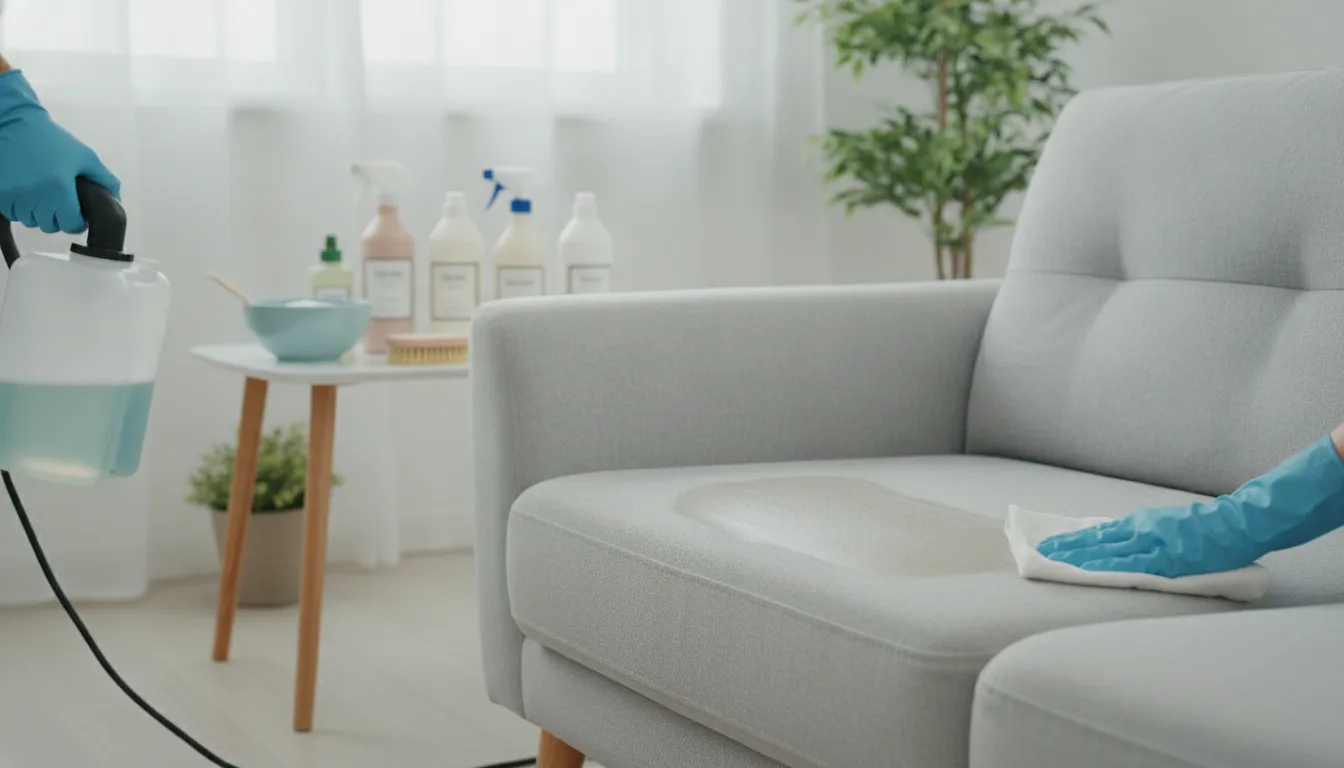
A coffee spill on the sofa or a pet’s muddy paw prints can make you want to start scrubbing right away. Pause first. Upholstery fabrics vary, and a cleaning method that works on one chair may damage another. Before you decide how to clean upholstered furniture, check the care code and manufacturer’s directions. A little preparation can help you avoid fading, water rings, or stains that spread. This guide walks you through the supplies to gather, ways to remove dust and debris, and careful steps for treating common marks. You’ll also learn how to dry upholstery and when professional help may be the safer choice.
Key Takeaways
- Let the care label guide you: Check the fabric code and manufacturer’s instructions, then test any approved cleaner on a hidden spot.
- Keep routine care gentle: Vacuum regularly, blot spills with a clean white cloth, limit moisture, and allow the upholstery to dry fully.
- Get expert help when needed: For delicate fabrics, persistent stains, or lingering dampness and odors, Cahill’s IICRC-certified technicians serve homes across Montgomery and Bucks Counties.
What Do Upholstery Care Codes Mean?
Upholstery care codes identify cleaning methods that are generally suitable for a fabric. Check the label before using water, a household cleaner, or a DIY solution. Choosing the wrong method can leave watermarks, alter the fabric’s color, or damage its texture. Always follow the furniture manufacturer’s instructions if they differ from general guidance.
Check the Care Tag and Manufacturer’s Instructions
Look for the care tag beneath a seat cushion, inside a cushion cover, along an inside seam, or on the furniture’s bottom dust cover. The tag may list a code alongside more specific cleaning directions. Follow those instructions first, since fabrics and finishes can react differently to cleaning products. Furniture Fair’s guide to upholstery tags explains where to look and why the label matters.
If the tag is missing or unclear, check the manufacturer’s website or contact the retailer before applying a cleaner. Take a photo of the label for reference, especially if you have several pieces of upholstered furniture. Keeping the instructions accessible can help you act quickly when a spill happens, without guessing about which method is safe.
Match W, S, WS, or X to the Fabric
Care tags often use one of these codes to indicate which cleaning methods are allowed:
- W: Use a water-based cleaner.
- S: Use a water-free solvent. Avoid water.
- WS or W/S: Water-based cleaners or solvents may be suitable. Follow the product and manufacturer instructions.
- X: Vacuum or brush only. Do not use liquids, foam, or solvents.
These codes are a useful starting point, but they don’t replace the manufacturer’s full instructions. Even a fabric labeled W can be damaged by excess moisture or vigorous rubbing. Before cleaning a visible area, review what each upholstery code means and test an approved product on a hidden spot. Let the test area dry fully to check for changes in color or texture.
Know When to Skip DIY Cleaning
If the care tag is missing, faded, or unreadable, don’t guess. Use a vacuum for dry soil while you check the manufacturer’s guidance or contact the retailer. Avoid applying water, solvents, or other cleaners until you know what the fabric can tolerate. A cautious approach can prevent stains, shrinking, or texture changes.
Consider professional cleaning for delicate fabrics, valuable furniture, persistent stains, or upholstery with care instructions you don’t understand. Cahill’s provides professional upholstery cleaning with IICRC-certified technicians serving communities in Montgomery and Bucks Counties. Ask about the cleaning method and products before booking, especially if you have concerns about a particular fabric or finish.
What Do You Need to Clean Upholstery?
Before cleaning, gather a few basic supplies and check the care instructions for your furniture. A vacuum, soft brush, white towels, and a fabric-safe cleaner can help you remove everyday dust and treat small spills. The most important step is choosing a method that suits the upholstery, since cleaners and moisture that work on one fabric may damage another.
Gather a Vacuum, Upholstery Tool, Soft Brush, and White Towels
Use a vacuum with an upholstery attachment to remove dust, crumbs, and pet hair from cushions, seams, and crevices. If the cushions come off, vacuum both sides and the area beneath them. A soft brush can loosen debris on textured fabric before vacuuming; brush gently, working from the top down. For routine care, vacuuming upholstery every couple of weeks can help keep grit from settling into the fibers.
Keep clean white towels nearby for spills. They absorb moisture without adding dye to the fabric, and you can see what the towel lifts as you blot. Avoid rough brushes and colored cloths, which may abrade the upholstery or transfer color when wet.
Choose a Cleaner That Matches the Fabric and Care Code
Check the manufacturer’s instructions and the care tag before applying a cleaner. The tag is often under a cushion or along an inside seam. Its code indicates which cleaning methods are suitable, so follow those directions rather than guessing. If the tag is missing or unclear, contact the furniture manufacturer or ask a professional for guidance.
Choose a product labeled as safe for your upholstery, and follow its directions. Before using it on a visible area, test it on a small, hidden spot and let the fabric dry to check for color changes or damage. Advice for one type of material may not apply to another, even if the cleaner uses common household ingredients. Cahill’s upholstery cleaning service can help when you’re unsure which approach is right for your furniture.
Avoid Harsh Products and Unverified DIY Mixtures
Skip bleach, glass cleaner, harsh all-purpose products, and excessive water. These can discolor fabric, weaken fibers, or leave the upholstery damp for too long. Avoid colored towels and sponges as well, since their dyes may transfer. For more guidance, review common fabric-cleaning precautions before treating a stain.
Be cautious with DIY recipes found online. A mixture that works on one sofa may leave residue or cause damage on another, and scrubbing can push a stain deeper into the fabric. The wrong method may also affect a furniture warranty, so check the manufacturer’s instructions first. If you can’t confirm that a product is safe, don’t apply it. A professional cleaner can assess the fabric and recommend a suitable option, especially for delicate upholstery or stubborn stains.
How Do You Clean Upholstery?
A safe upholstery clean starts with the furniture’s care tag and manufacturer’s instructions. Check which cleaning methods the fabric allows before applying water or a cleaning product. If the tag is missing or the instructions are unclear, contact the manufacturer or ask an upholstery cleaning professional for guidance.
Once you know what the fabric can handle, remove loose dust and debris, test your cleaner somewhere hidden, and work in small sections. Use as little moisture as possible, and don’t move on to another area until you’ve checked how the fabric responds. These steps help reduce the risk of discoloration, water marks, or damage to the upholstery’s backing.
Avoid treating every sofa or chair the same way. A method that works on one fabric may be unsuitable for another, and a stain may need different care than routine dirt. If you’re unsure about the fabric or dealing with a large area, Cahill’s upholstery cleaning service can help you choose a suitable approach.
Vacuum Fabric, Seams, Crevices, and Cushions
Remove loose dirt before using a cleaner. Attach a soft upholstery tool to your vacuum and move it slowly over the fabric, including the backs and sides of cushions. Use the crevice tool along seams, between cushions, and in other narrow spaces where dust, crumbs, and pet hair collect. If cushions are removable, lift them out and vacuum underneath.
Vacuuming about every two weeks can help keep debris from settling into the fabric. Homes with pets, children, or frequent use may need to vacuum more often. Check that your attachment won’t snag the material, particularly on delicate or loose-weave fabrics. For more advice, read Miller Waldrop’s upholstery cleaning guide.
Spot-Test the Cleaner
Test any cleaner on a hidden patch, such as an area beneath a cushion or along the back of the furniture. Follow the product directions and apply a small amount. Let the spot dry fully, then check for fading, discoloration, water marks, or changes in texture. If you notice a change, don’t use the product on the rest of the upholstery.
Choose a cleaner that matches the fabric’s care code and manufacturer’s instructions. A product that works well on one piece may harm another. Bissell’s upholstery cleaning guide also recommends testing a cleaner on a concealed area before treating visible fabric.
Clean Small Sections With Little Moisture
After the cleaner passes the spot test, treat one small section at a time. Apply it to a clean white towel or soft brush instead of pouring it directly onto the furniture. Work gently and use as little moisture as the care instructions allow. Saturating the fabric can leave marks, push moisture into the padding, and make drying take longer.
For water-safe fabric, use a lightly damp cloth and a suitable cleaner. Some care guides suggest using the suds from mild dish soap and lukewarm water rather than wetting the fabric itself. Blot or brush gently, then lift away residue with a clean towel. Use an extractor only if the manufacturer’s instructions allow it.
Wash Cushion Covers Only as Their Labels Allow
A zipper doesn’t mean a cushion cover is safe to machine-wash. Check the care tag and furniture manufacturer’s instructions before removing or washing a cover. Machine washing without approval can shrink the fabric, fade its color, damage the backing, or warp the zipper.
If the label permits washing, follow its directions for water temperature, detergent, and drying. If it calls for spot cleaning or dry cleaning, use that method instead. When there’s no care tag, contact the manufacturer or ask an upholstery cleaning professional for advice. Keep the cushion insert dry, and wait until the cover has dried completely before putting it back on.
How Do You Treat Common Upholstery Stains?
Act quickly when a spill happens, but check the furniture’s care tag before applying anything. Blot with a clean white cloth, working from the stain’s outer edge toward the center. Avoid scrubbing, which can spread the mark or push it deeper into the fabric. Always test a cleaner on a hidden area first. If the fabric’s color or texture changes, stop and contact a professional.
Blot Coffee and Tea
Use a clean white towel to absorb as much coffee or tea as possible. Don’t rub the spill. If the care code allows water-based cleaning, mix one tablespoon of white vinegar and one teaspoon of mild dish soap into two cups of cool water. Dampen a cloth with the solution and gently blot the stain, using only a small amount. Then dab with a separate cloth dampened with plain water to remove residue. Test the mixture on an inconspicuous spot first, and stop if the fabric changes color or texture. This upholstery stain method may not suit every fabric, so follow the furniture maker’s instructions.
Absorb Grease Before Cleaning
For a fresh grease stain, carefully lift away any solid residue with a spoon or dull edge. Sprinkle baking soda or cornstarch over the spot and leave it for 15 to 20 minutes, then vacuum it up with an upholstery attachment. On W or WS fabrics, you can dab the area with a cloth lightly dampened with warm water and one drop of clear dish soap. Test first, and avoid soaking the fabric. For S or X codes, don’t use this water-based method. Check the care tag and this fabric cleaning guide before choosing a treatment.
Treat Ink Without Spreading It
Ink can spread if you wipe across it, so work gently and use a clean white cloth. Check the care tag before treating the mark. For W or WS fabrics, first test 70% or stronger isopropyl alcohol on a hidden area and let it dry. If the fabric shows no change, put a small amount of alcohol on the cloth and dab the stain, switching to a clean section as ink transfers. For S-coded fabric, use only a water-free upholstery solvent approved for that material. Don’t apply water or alcohol to X-coded upholstery. If the stain persists, stop and consult a professional. This care-code guide can help you choose a suitable approach.
Blot Pet Urine and Use a Fabric-Safe Odor Treatment
Press a clean, absorbent towel onto fresh pet urine to draw up as much liquid as possible. Replace the towel as it becomes wet, and avoid rubbing. For W or WS upholstery, use an enzymatic cleaner labeled for both upholstery and pet odors. Follow the product directions and test it on a hidden area first. Use cool water only if the cleaner’s instructions call for it, and avoid heat, which can make some stains and odors harder to remove. If urine has reached the cushion or the smell remains, don’t keep adding products. Cahill’s upholstery cleaning service can assess the fabric and recommend an appropriate treatment.
How Do You Dry Upholstery Safely?
Dry upholstery carefully after cleaning to help prevent musty odors and protect the fabric. Use gentle airflow, avoid excess heat, and follow any drying directions on the furniture’s care tag.
Press Out Moisture With Clean Towels
Take a clean, dry, white towel and press it gently against the damp fabric. Lift the towel rather than rubbing, which can distort some fabrics or push moisture farther into the upholstery. Move to a dry area of the towel as it absorbs water, then repeat until you’re no longer lifting much moisture.
Skip colored towels, since dye may transfer to wet fabric. Avoid wringing or twisting cushions, which can affect their shape. If you’re unsure how much pressure to use, start gently and check the fabric as you go. Miller Waldrop’s upholstery cleaning tips also recommend using towels to remove excess moisture.
Separate Cushions and Use Fans or a Dehumidifier
If the cushions are removable, take them off the furniture and position them so air can circulate around all sides. Leave space between them, and place them on a clean, dry surface rather than directly on the floor. Set a fan nearby to move air across the upholstery. In a humid room, a dehumidifier can help reduce moisture in the air and support drying.
Avoid directing hot air at the fabric, and check seams and the furniture frame, which may take longer to dry. Turn or reposition cushions as needed so air reaches each side. Keep the room ventilated while the upholstery dries.
Keep Furniture Out of Direct Sunlight
A sunny spot might seem like a quick way to dry a sofa, but direct sunlight can fade fabric and affect some materials. Instead, dry furniture in a well-ventilated, shaded room. Open a window if conditions allow, or use a fan to keep air moving. Close curtains or blinds if sunlight reaches the upholstery.
If the furniture is near a window, shift it temporarily or turn it away from direct light. Check the care tag for fabric-specific instructions before using any additional drying method. These simple steps help the upholstery dry while protecting its color and condition. Be Green Carpet Cleaning’s upholstery care advice also recommends protecting fabric from direct sun.
Wait Until Upholstery Dries Completely Before Use
Wait until the fabric, cushions, seams, and areas beneath the cushions feel completely dry before using the furniture. Drying time depends on the material, the amount of moisture used, and the room’s temperature and humidity. Check several spots by pressing a clean, dry hand or towel against them. If any area feels damp, keep the air moving and give it more time. Rug Doctor’s upholstery guide notes that furniture may need several hours to dry.
If upholstery stays damp or develops a persistent odor, avoid covering it or putting the cushions back in place. For help with stubborn moisture or fabric concerns, contact a professional upholstery cleaning service.
Which Upholstery Cleaning Mistakes Should You Avoid?
Cleaning upholstery without checking the fabric first can leave it faded, misshapen, or stained. A few precautions can help you avoid common problems: read the care instructions, test products before use, and keep moisture and scrubbing to a minimum. If you’re unsure how to treat a fabric, pause before applying a cleaner.
Follow Care Codes and Spot-Test Cleaners
Look for a care tag under a cushion or along an inside seam, then check the manufacturer’s instructions. A W code generally indicates that water-based cleaners are suitable; S typically calls for solvent-based products. WS may allow either type, while X usually means vacuuming or light brushing only. Follow the specific label, since instructions can vary by furniture and fabric.
Test any cleaner on a hidden area before using it on a visible stain. Apply a small amount, let it dry completely, then check for changes in color or texture. This can help you catch a problem before it affects a larger area. Miller Waldrop’s upholstery cleaning guide also recommends checking care codes and testing products first.
Don’t Scrub, Oversaturate, or Mix Cleaners
Scrubbing can push a stain deeper into the cushion, spread it across the fabric, or fray the fibers. Instead, press a clean, dry white towel onto the spill to absorb liquid. Work from the outside of the stain toward the center, using a fresh part of the towel as it picks up moisture. Avoid rubbing back and forth.
Use as little cleaner and moisture as the care instructions allow. Excess water can seep into the padding, take a long time to dry, or leave a ring. Don’t mix cleaning products, either. Combinations can harm fabric or release dangerous fumes. For more guidance on treating fabric stains, Furniture Fair explains how to blot upholstery.
Machine-Wash Covers or Use Steam Only if the Manufacturer Allows It
A zipper doesn’t mean a cushion cover is safe to machine-wash. Washing can shrink the fabric, damage its backing, fade its color, or warp the zipper. Check the care label and manufacturer’s instructions before removing and laundering a cover. If the label doesn’t clearly allow machine washing, don’t assume it’s safe.
Steam can also damage some upholstery. Avoid using a steam cleaner on S-coded or delicate fabrics unless the manufacturer approves that method. If the care tag is missing, or you’re uncertain how to treat the material, get advice before cleaning. Cahill’s upholstery cleaning service can help homeowners in the area choose an appropriate professional cleaning approach.
How Do You Keep Upholstery Clean Between Deep Cleanings?
Regular care can help prevent dust, crumbs, and small spills from building up between professional cleanings. Start with your furniture’s care label, and use only cleaning methods that suit the fabric.
Vacuum Regularly and Blot Spills Quickly
Vacuum upholstered furniture about every two weeks, or more often if you have pets or a busy household. Use a soft upholstery attachment on cushions, seams, and crevices to remove dust, crumbs, and pet hair. Check the care instructions before vacuuming delicate fabrics.
For spills, press a clean, white cloth gently against the area to absorb as much liquid as possible. Work from the outside toward the center, and use a fresh part of the cloth as it becomes damp. Don’t rub, since friction can spread the stain or work it deeper into the fibers. These upholstery care tips offer more advice for everyday maintenance.
Rotate Cushions and Use Suitable Washable Throws
If the cushions are removable and the manufacturer allows it, rotate and flip them about once a month. This spreads everyday wear and can help cushions retain their shape. While the cushions are off, vacuum underneath them to clear away crumbs and dust.
A washable throw or pet cover can help protect frequently used areas from dirt, spills, and friction. Choose a cover that fits securely, and follow its washing instructions. Check that the material won’t snag or transfer color or lint onto the upholstery. Not all cushions are designed to be flipped, so check the furniture’s instructions first. Furniture Fair’s fabric cleaning guide also recommends rotating removable cushions to distribute wear.
Limit Sun Exposure and Check Before Applying Fabric Protector
Prolonged direct sunlight can fade upholstery and damage some fabrics. When possible, place furniture away from sunny windows or use curtains and blinds during the brightest parts of the day. If you can’t move a piece, adjusting the window coverings can help limit its exposure.
Before applying fabric protector, confirm that it’s suitable for your upholstery and care code. Test it on a hidden area and let it dry, then check for changes in color or texture. If the care label is missing or unclear, look for the manufacturer’s instructions or contact the retailer rather than guessing. For help choosing a suitable cleaning approach, contact Cahill’s upholstery cleaning team.
Use Baking Soda for Odors Only if Fabric Instructions Allow
Baking soda may help with some odors, but it isn’t appropriate for every upholstery fabric. Check the care label or manufacturer’s instructions before using it. If the method is approved, sprinkle a thin layer of dry baking soda over the affected area, leave it for 20 to 30 minutes, then vacuum it thoroughly with an upholstery attachment.
Don’t add water or mix baking soda with other cleaners. Powder can settle into seams and crevices, so vacuum slowly and check that no residue remains. If the odor persists or you’re unsure whether this treatment is safe, avoid further DIY attempts and ask a professional for guidance. You can find more advice on fabric care and odor treatment.
When Should You Call a Professional Upholstery Cleaner?
DIY care can handle routine upkeep, but some fabrics and cleaning problems need a more careful approach. Call a professional if you’re unsure how to treat the material, a stain won’t lift, or moisture and odors linger.
Get Help With Delicate Fabrics, Deep Stains, or Persistent Odors
Silk, velvet, and other delicate fabrics can react poorly to the wrong cleaner or too much moisture. If the care code is unclear, or you’re worried about changing the fabric’s color or texture, pause before trying another product. A professional can assess the upholstery and recommend a suitable cleaning method.
Professional help can also be useful for stains that remain after careful spot treatment and odors that return after cleaning. Dirt, allergens, and spills can settle deep into upholstery, where surface cleaning may not reach. Miller Waldrop’s upholstery cleaning guidance explains when specialized equipment and professional care may be appropriate.
Call if Upholstery Stays Damp or Shows Mold
If furniture remains damp long after cleaning, avoid adding more water or cleaner. Moisture trapped inside cushions can cause musty odors and may encourage mildew, especially in rooms with limited airflow. Remove cushions if possible, improve ventilation, and allow the furniture to dry fully before using it.
A persistent musty smell, visible mold, or dampness that does not improve calls for professional advice. Don’t scrub a moldy area, since doing so may spread residue or damage the fabric. Ask a qualified cleaner what to do next, and whether the upholstery needs a different type of assessment. Miller Waldrop notes that slow drying can lead to musty odors and mildew.
Ask About Cleaning Methods and Eco-Friendly Options
Before scheduling service, ask how the company plans to clean your specific fabric and whether the method suits its care code. It’s helpful to ask how much moisture the process uses, how long drying usually takes, and whether you should move or prepare anything beforehand. Clear answers can help you set expectations and protect your furniture.
If you have children, pets, or someone at home with chemical sensitivities, ask about the products used and whether lower-impact options are available. Cahill’s offers eco-friendly and organic cleaning options. Share your concerns when you request an estimate so the team can discuss an approach that fits your household and upholstery.
Find IICRC-Certified Technicians in Montgomery and Bucks Counties
When comparing upholstery cleaners, ask about technician training, experience, and insurance. IICRC certification is one credential to look for, and a reputable company should be able to explain its process and provide a clear estimate. You can also ask whether the quoted service covers all the furniture pieces you want cleaned.
Cahill’s serves Huntingdon Valley and nearby communities in Montgomery and Bucks Counties. The company shares details about its 48 years of experience and IICRC-certified technicians. Check the areas Cahill’s serves or contact the team to ask about your upholstery and arrange service.
Related Articles
- Upholstery Cleaning Tips for a Vibrant Spring | Cahills
- Benefits of Upholstery Cleaning in Maintaining Your Property
- Get Furniture Guest-Ready | Cahill’s Upholstery Cleaning
- Spring Refresh: Revitalizing Your Upholstery and Drapery
- Professional Upholstery & Drapery Cleaning | Cahill's | Huntingdon Valley PA
Frequently Asked Questions
How often should I vacuum upholstered furniture?\ Vacuum it about every two weeks, or more often if you have pets, children, or heavy daily use. Use a soft upholstery attachment and clean the cushions, seams, and crevices.
Can I use the same upholstery cleaner on every fabric?\ No. Check the care tag and manufacturer’s instructions before using a cleaner. Test an approved product on a hidden spot, then let it dry fully and check for changes in color or texture.
What should I do if my upholstery care tag is missing?\ Avoid applying water or cleaning products until you can confirm what the fabric allows. Check the manufacturer’s website or contact the retailer. You can also ask a professional cleaner for guidance.
How long does upholstery take to dry after cleaning?\ Drying time varies based on the fabric, moisture used, and room conditions. Keep air moving with a fan, and wait until the fabric, cushions, and seams feel completely dry before using the furniture.
When should I hire a professional upholstery cleaner?\ Consider professional cleaning for delicate fabrics, persistent stains or odors, lingering dampness, or care instructions you don’t understand. Cahill’s serves Huntingdon Valley and nearby communities in Montgomery and Bucks Counties.