
How to Compare Water Damage Restoration Companies
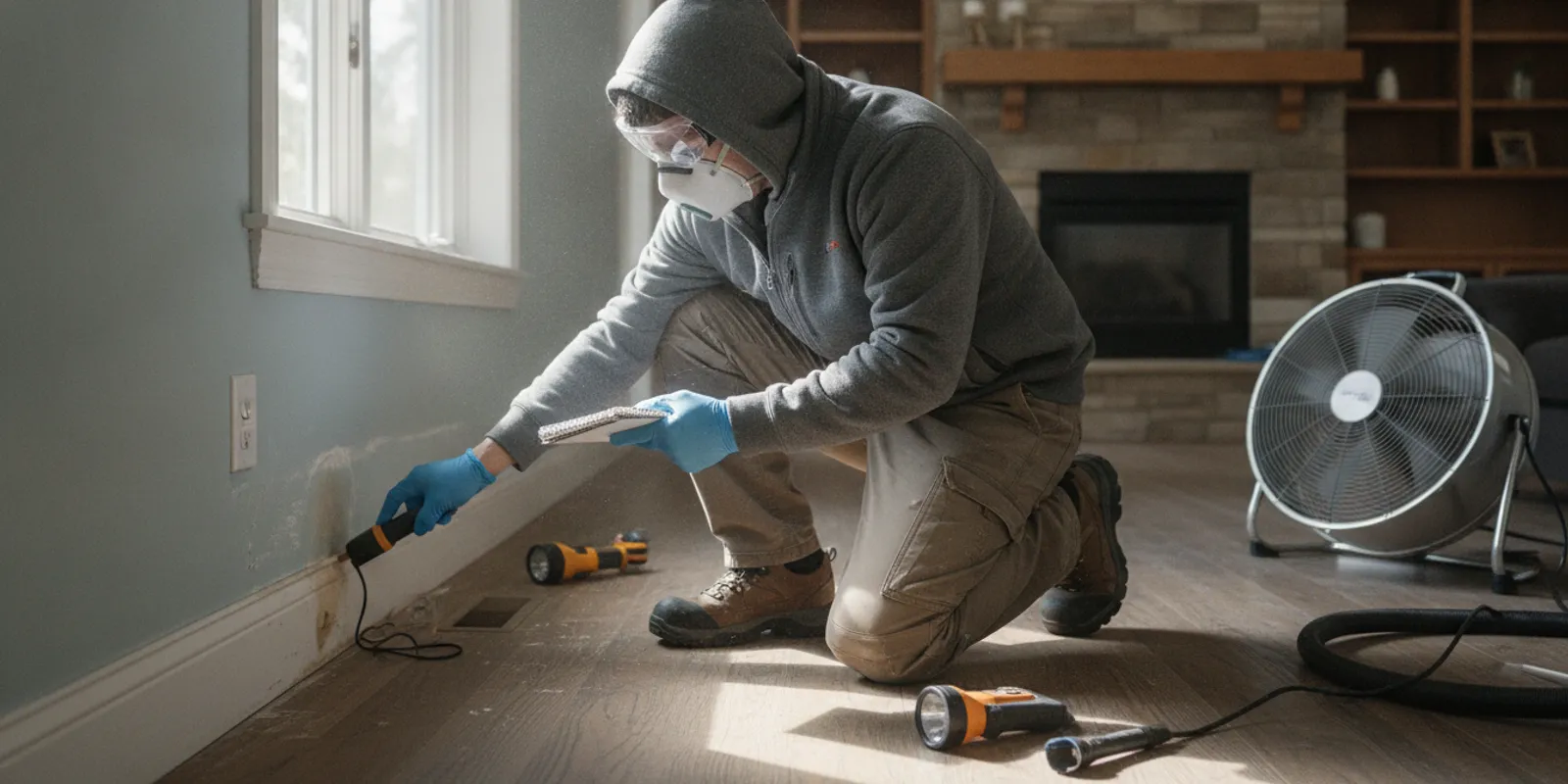
When water reaches floors, walls, or belongings, the next step may feel unclear. To compare water damage restoration companies, look beyond a quick promise and review the proposed scope, communication, documentation, and relevant qualifications. The aim is to understand what each provider plans to do at your property before you approve work.
Start with the same information for each provider
Comparisons are useful only when each company is responding to the same situation. Before calling, note where the water came from if known, when you noticed it, which rooms or surfaces are affected, and whether the source has been stopped. Record visible standing water, wet materials, and any changes you have observed. Do not delay urgent safety steps to complete a checklist.
Share the same basic details with each provider. Ask whether an on-site assessment is needed before they can describe the work. A responsible estimate should reflect the affected property and conditions, rather than assume every leak or wet room needs identical treatment. If you are unsure about the source, say so rather than guessing.
Compare the proposed scope, not just the headline
Water damage work may involve different tasks depending on observed conditions and the agreed plan. A provider may discuss water extraction, structural drying, moisture monitoring, and documentation. Ask what is included, what is excluded, and what findings could change the plan. Make sure you understand which rooms, surfaces, and materials are being addressed.
- Which rooms, surfaces, and materials are included?
- What assessment supports the proposed work?
- Is water extraction included, and what drying steps are proposed?
- How will progress be checked, and what could lead to an adjustment?
- Which tasks require separate approval or a revised estimate?
Ask for the scope in writing. If proposals use different terms, ask each provider to explain them in plain language. A shorter or lower initial estimate may not represent the same work as a more detailed proposal. Compare the tasks and exclusions actually listed; do not assume an item is included because it is common in another company's plan.
For example, one estimate might name extraction and monitoring but not describe drying steps, while another explains the affected areas and how progress will be reviewed. That does not by itself prove which plan is right. It gives you a focused question: what conditions support each proposed task, and how will the provider explain any change?
Ask how communication and approvals will work
Restoration may involve several visits and decisions. Before work begins, establish who your contact is, how updates will be provided, and how you will approve changes. Ask how the company will tell you when new conditions are found, and whether work will pause for approval when the scope or cost changes.
If you are coordinating with a property manager, household members, or an insurer, decide who will receive updates and keep decisions in one place. A provider can explain what records it can supply, but that does not establish whether an insurer will approve or reimburse a particular service. Confirm coverage, claim procedures, and documentation requirements directly with your insurer.
For a general overview of consumer guidance, the Federal Emergency Management Agency explains flood-response information and safety considerations in its floods resource center. Use local emergency guidance for immediate hazards; a restoration estimate is not a substitute for emergency response.
Review documentation and progress records
Ask what information the company records during assessment and work. Depending on the job, records may cover affected areas, agreed tasks, observations during monitoring, and updates when conditions change. Request copies of relevant written estimates, approvals, and completion information for your records.
Documentation should help you follow the work, not leave you with unexplained terminology. Ask the provider to explain readings, equipment, and proposed next steps in terms you can understand. If a record is important to a decision, ask how it relates to your property and whether it changes the plan. Keep dated notes of conversations and copies of approvals together so you can check what was agreed.
Check relevant qualifications and responsibilities
Ask who will assess the property and perform the work, what training or certifications are relevant to those tasks, and whether the company can explain those qualifications. Verify credentials that matter to you rather than relying on a broad claim. Also ask who supervises the job and how to reach that person with a question.
A certification statement does not replace a property-specific plan. The provider still needs to explain observed conditions, proposed tasks, and the limits of the estimate. If a qualification claim is important to your decision, ask for the credential name and details so you can understand what it covers.
Use a consistent comparison checklist
After speaking with providers, compare notes using the same four areas. This keeps the decision focused on whether you understand the plan, rather than on a sales pitch.
- Scope: Are affected areas, proposed tasks, exclusions, and approval steps clear?
- Communication: Do you know your contact, update method, and how changes will be handled?
- Documentation: Can the provider explain what it records and provide relevant written information?
- Qualifications: Are the people and credentials relevant to the work described?
Follow up when a proposal is vague or two estimates appear to cover different work. Be cautious about guarantees of a particular outcome or timeline before the property has been assessed. Actual needs depend on the source and extent of water, materials, and site conditions. The Cahill's FAQs can help with general questions about estimates and service, but a specific restoration scope should be discussed for the affected property.
Put safety and the next step first
If water intrusion is active, prioritize personal safety and address the source only when it is safe to do so. Keep people away from hazards such as water near electrical equipment. Contact the appropriate emergency service when there is immediate danger. Do not enter an area if you suspect an electrical or structural hazard; seek qualified help.
For restoration questions, describe the location and situation and ask what the provider recommends as the next step. Cahill's Carpet & Upholstery Cleaning describes its water-damage restoration service as including extraction, structural drying, moisture monitoring, and insurance-claim documentation. The appropriate work depends on the property and conditions. Review the water-damage restoration service information and ask for a scoped estimate.
What should you do before approving work?
Before signing or authorizing work, check that the written plan identifies the affected areas, tasks, exclusions, and process for changes. Make sure you know who to contact and what records you will receive. If an estimate is provisional pending inspection, ask what remains unknown and when the provider expects to clarify it. Keep insurer questions separate from the provider's scope; confirm coverage directly with your insurer.
Ask Cahill's about an estimate for your property
A written, property-specific plan gives you a clearer basis for comparison than a general promise. Take time to understand the work proposed and choose the provider whose scope and communication you can follow.
Keep your notes and approvals together as the work proceeds so you can refer back to what was agreed.