
Is Air Duct Cleaning Worth It? What Homeowners Should Consider
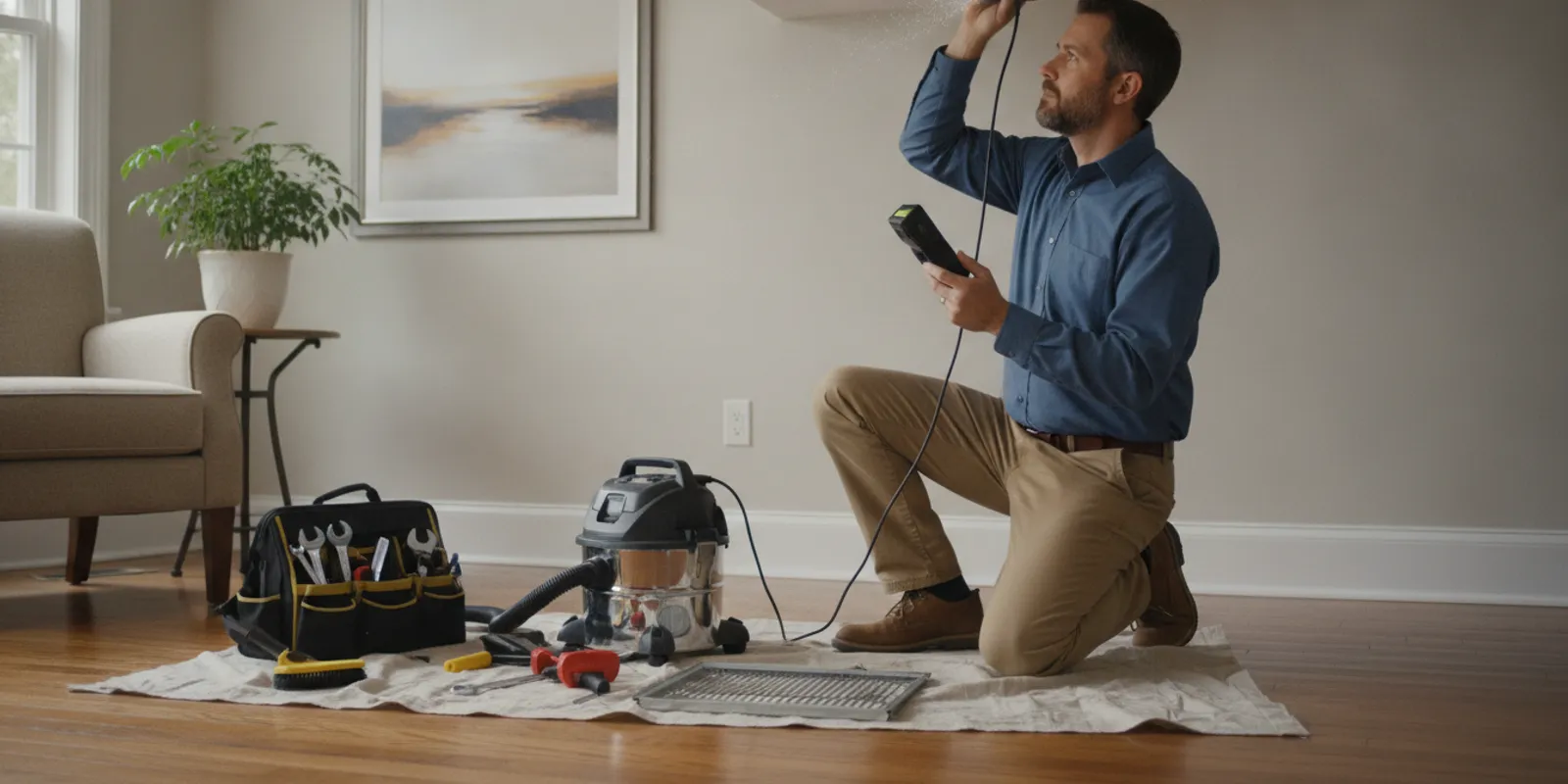
Is air duct cleaning worth it? The answer depends on what is happening in your home, not on a one-size-fits-all schedule. Visible buildup, dust from renovation work, or concerns about airflow may be reasons to ask for an inspection, but they do not automatically mean every duct needs cleaning.
Request an inspection and estimate
When might air duct cleaning be worth considering?
Air ducts are part of a larger heating and cooling system. Whether cleaning makes sense depends on the system's condition and the specific concern you want addressed. A useful first step is to identify what you can see, when the concern started, and whether there has been recent work in the home.
Consider asking for an assessment if you notice substantial visible dust or debris at accessible vents, if renovation or construction work has left dust around the home, or if you want a professional to examine a specific concern. These are reasons to investigate, not proof that cleaning will solve every dust, odor, or comfort issue.
What can visible debris tell you?
For a more useful observation, compare rather than guess. Check a few accessible supply vents and return grilles in different parts of the home, and note whether the material looks like ordinary surface dust or a heavier deposit. If one register is affected while others appear clean, mention that difference. Do not remove panels or open equipment unless you know how to do so safely.
Look at the supply registers and return grilles you can safely access. A light film of dust on a grille is different from a noticeable accumulation of debris inside the opening. Note which vents show buildup and whether it appears in several rooms or only one area. Avoid reaching tools deep into the ductwork; that can damage components or simply move debris around.
Visible material at a vent is a useful observation to share, but it cannot establish the condition of the entire system. A technician should inspect relevant accessible areas and explain what is included in any proposed work. Ask whether the recommendation addresses the observed condition and what areas will be cleaned.
Does renovation make cleaning worthwhile?
Remodeling, sanding, or other dusty work can leave fine particles on surfaces around a home. If that work took place near open registers or while the HVAC system was operating, it is reasonable to ask whether an inspection is appropriate. The amount and location of dust, how the work area was contained, and how the system was used all matter.
Start with the basics: replace or check the HVAC filter according to its instructions, clean ordinary household surfaces, and note whether dust continues to collect unusually quickly. If you still have a specific concern, describe the renovation and its timing when requesting an assessment. Do not assume duct cleaning alone will prevent future dust; sources elsewhere in the home may also contribute.
Could it help with a comfort concern?
Keep a short, practical record before requesting help. For several days, note which room feels uncomfortable, whether the issue occurs during heating or cooling, and whether doors or vents are usually open or blocked. This description does not diagnose the cause, but it gives the person assessing the system a clearer starting point than a general report that the house feels uneven.
A room that feels different from the rest of the home can prompt questions about the HVAC system, but duct cleaning is not a universal fix for uneven temperatures or weak airflow. The cause may involve more than debris in ducts. Describe the room, the conditions when the problem occurs, and any recent changes to the system.
Ask the service provider to explain what the inspection can and cannot determine. If the concern appears to involve equipment performance or a repair, a qualified HVAC professional may need to evaluate it. Cleaning should be recommended based on observed conditions and a defined scope, not as a guaranteed remedy for comfort or indoor-air concerns.
How do you decide if the recommendation is appropriate?
It can help to separate the observation from the proposed remedy. For example, if dust is visible only around one grille, ask what the inspection found in that area and whether it suggests a broader system concern. If dust appeared after a renovation, explain how the work was contained and whether registers were covered. A clear connection between the condition and the proposed work makes the decision easier to evaluate.
Before approving work, ask for a plain explanation of the findings and the proposed scope. A useful estimate should make clear which parts of the system are included, what work is being proposed, and whether any additional service would require separate approval. The price depends on the area, condition, and scope, so request an estimate rather than relying on a generic figure.
- What condition did the inspection identify?
- Which system components will the work cover?
- What is excluded from the estimate?
- How will the work address the concern I described?
- Will you ask before adding work beyond the agreed scope?
These questions help distinguish a specific, evidence-based recommendation from a blanket pitch. Cahill's provides air duct cleaning services; an inspection and estimate help determine whether service is appropriate for your system.
What should you do next?
If you are comparing options, gather a few details first: the age or recent history of the system if known, the rooms involved, what you can see at accessible vents, and whether construction or repairs occurred. You can review Cahill's answers to common service questions and bring any remaining questions to the estimate discussion.
For general guidance, the U.S. Environmental Protection Agency explains its recommendations and considerations about duct cleaning in its consumer guidance on whether to have home air ducts cleaned. Use that information as background, then base a decision on the condition of your own system and the scope proposed for it.
Ask about an air duct inspection
Air duct cleaning may be worth considering when an inspection identifies a relevant condition and the proposed work matches it, but the decision should be based on your home rather than a universal promise.