
Is Commercial Carpet Cleaning Worth It for Your Facility?
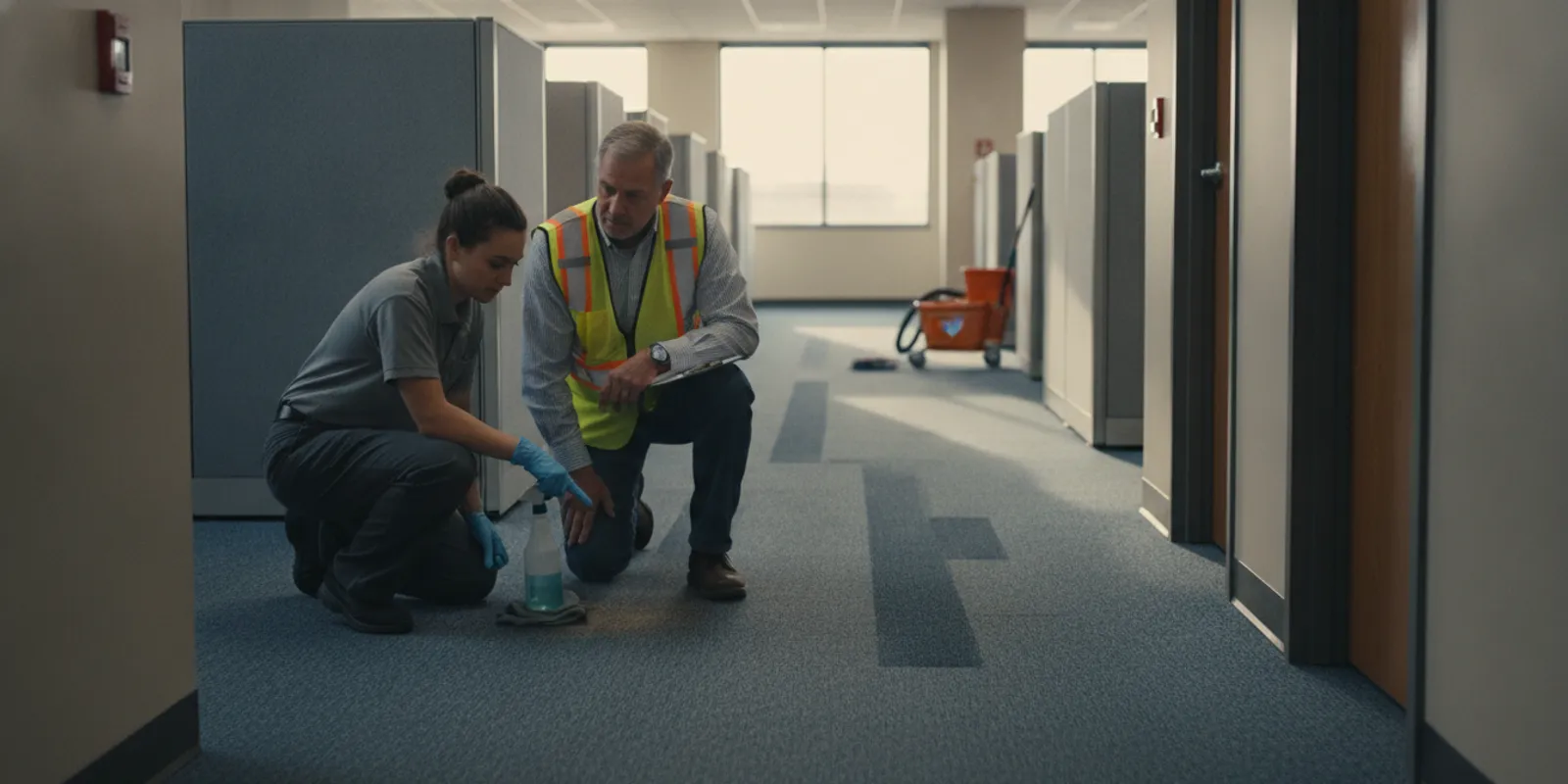
When facility managers ask, “is commercial carpet cleaning worth it,” the answer depends on how the carpet is used, what condition it is in and whether work can be coordinated with building operations. A room-by-room review can help you decide whether to address selected areas, consider a broader scope or wait.
Request a scope-based estimate
What does “worth it” mean for your facility?
For a business, value is not only how the carpet looks right after service. Consider whether visible soil is affecting the presentation of the space, whether routine vacuuming and approved spot care are enough for current conditions, and how much time your staff would spend preparing areas. The practical decision is whether the proposed work addresses a real facility need at a time and scope that make sense for your operations.
Start by separating need from preference. A darkened traffic lane in a busy entrance may be a higher priority than a lightly used office. A conference room may be important because visitors see it, even if it receives less foot traffic. Neither situation alone proves a particular cleaning method will produce a specific result. Fiber, carpet condition, soil and previous treatments can all affect what is appropriate.
Which areas should you assess first?
Walk the building and make a short list before requesting an estimate. For each carpeted area, note how it is used, who sees it and what concern you want assessed. Look for patterns across rooms rather than reacting to one isolated mark.
- Entrances and corridors: Note visible traffic lanes, soil brought in from outside and how often people pass through.
- Customer-facing rooms: Identify reception areas, meeting rooms or other spaces that shape the impression visitors receive.
- Work areas: Record whether desks, chairs and equipment affect access or make preparation more involved.
- Low-use rooms: Mark areas that remain in acceptable condition so they can be discussed separately instead of automatically including them.
- Recurring concerns: Describe spots or areas that look soiled again after routine care, and mention any prior treatment if known.
This inventory helps turn a general request into a defined conversation. For example, an office might first assess the entrance, shared hallway and conference room, while leaving low-use private offices out of the initial scope. A retailer could prioritize carpeted customer areas and access routes. These are planning examples, not recommendations for every property; the right scope depends on a site assessment and the facility’s priorities.
How should you weigh appearance against disruption?
Cleaning work can require rooms or walkways to be cleared and access to be coordinated. Before deciding, list constraints such as business hours, deliveries, security procedures, room availability and any areas that must remain accessible. Ask what preparation is expected from your team, which rooms can be handled together and whether the work can be planned around normal operations.
Think through a typical day. If a corridor is the main route between the entrance and work areas, ask how access will be managed during the visit. If a conference room is booked frequently, check when it can be made available and whether furniture needs to be moved. Include these practical details in the inquiry rather than assuming every room can be treated at the same time.
For a facility with limited flexibility, a smaller, clearly prioritized scope may be easier to coordinate than addressing every carpeted space at once. For another property, grouping nearby areas may be more practical. Discuss options with the service provider and confirm the actual timing, access plan and preparation before work begins. Cahill’s commercial carpet cleaning information describes coordinating service around business operations; confirm the specific plan for your property directly.
What should you include in an estimate request?
A useful estimate request gives enough detail for the provider to understand the site and the work being considered. Share the approximate carpeted areas, how each area is used, visible concerns, access conditions and any timing limits. Ask the provider to identify what is included and whether any area needs separate assessment because of its material or condition.
- List the rooms, corridors or other carpeted spaces you want considered.
- Describe traffic levels and note which areas are most important to staff or visitors.
- Explain visible soil, spots or other concerns without assuming they can all be removed.
- Flag access rules, furniture or equipment, security needs and preferred work windows.
- Ask what preparation is expected, how the proposed scope is defined and what conditions may affect the work.
There is no single rate that applies to every commercial space. The work and estimate depend on the areas involved, their condition, soil, fiber and treatment. Request a free estimate for the exact surfaces and scope you want considered instead of relying on a generic figure. A scope-based discussion also gives you a way to compare the proposed work with your priorities, without treating a broad request as a confirmed booking.
How can you plan ongoing carpet care?
Use what you learn from an assessment to make future decisions more specific. Keep a simple facility record of the areas addressed, observed traffic patterns, recurring concerns and operational limits. Note which rooms need frequent routine attention and which remain in good condition. This does not require setting the same cleaning interval for every part of the building.
Continue routine vacuuming and prompt attention to spills as part of day-to-day care. Professional service is a separate option for assessing and cleaning carpeted areas according to their condition. If a proposed maintenance approach is discussed, ask how it relates to the specific spaces and expected use. Avoid adopting a universal calendar simply because it is convenient; the facility’s actual traffic and condition should inform the plan.
The Institute of Inspection, Cleaning and Restoration Certification (IICRC) provides industry standards and education related to cleaning and restoration. Its professional resources can help frame questions about procedures; the appropriate approach for your carpet still depends on its material, condition and the scope being assessed.
So, is commercial carpet cleaning worth it?
It may make sense when high-use or visitor-facing carpet needs attention beyond routine upkeep and the proposed work can be coordinated with facility operations. It may also be reasonable to focus on selected areas or wait when carpet is in acceptable condition or access is difficult. Review the condition, priority areas, included work and disruption plan together. A site-specific estimate gives you a practical basis for deciding what to do next.
Facility managers in Montgomery and Bucks Counties can share their priorities through the contact page and request an estimate. Describe the areas, their use and any scheduling constraints so the proposed scope can be assessed before you decide how to proceed.
Discuss your facility’s carpet needs
Compare the areas that need attention with the work proposed, then choose a plan that fits the building and its day-to-day operations.