
Mold Prevention After Water Damage Abington PA: First Steps
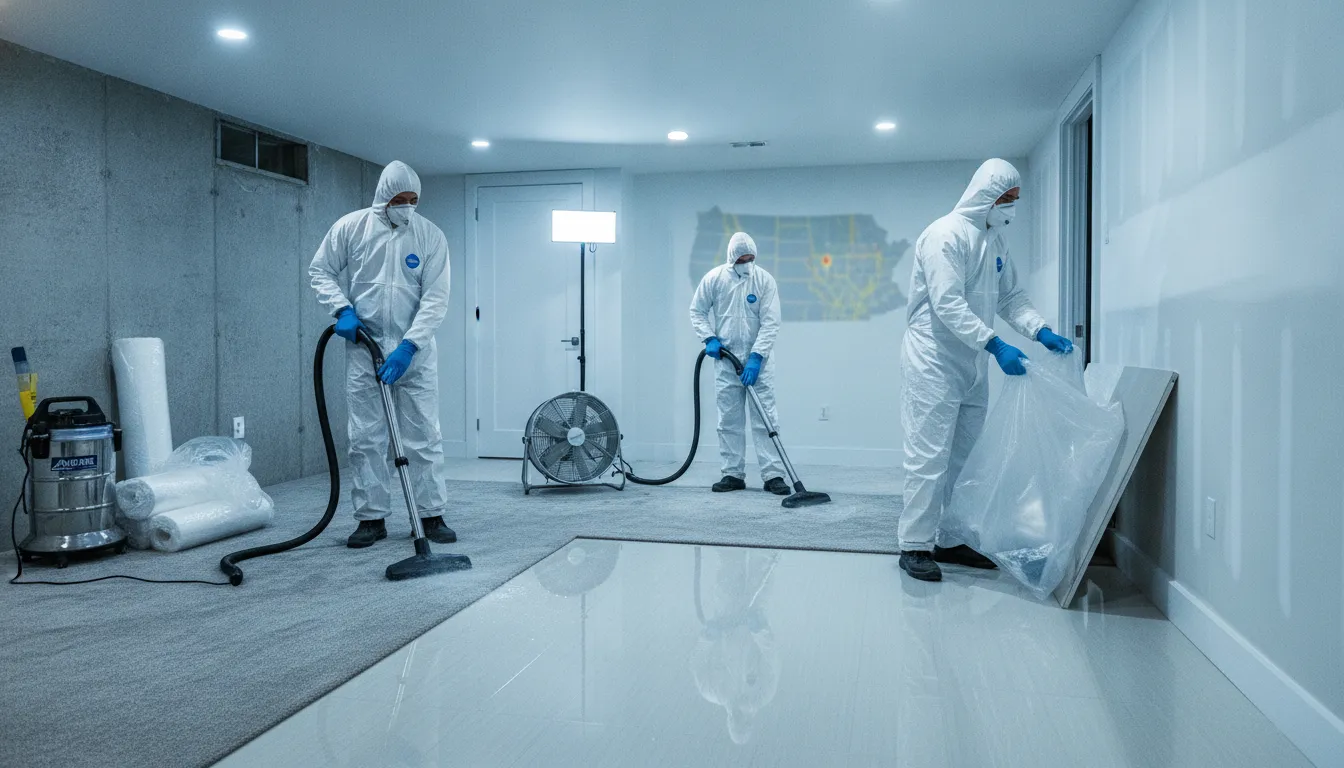
A damp carpet or water-stained wall may seem like a simple cleanup, but moisture can travel farther than you can see. It may settle beneath flooring, behind baseboards, or inside wall cavities. If those spaces stay damp, mold may become a concern. A careful response can help limit further damage: address the water source, avoid unsafe areas, document what happened, and dry affected materials without delay. In this guide, we’ll explain mold prevention after water damage Abington PA homeowners can put into practice, how to recognize clues that moisture remains, and why checking hidden areas matters before you begin repairs.
Key Takeaways
- Make safety your first priority: Stop the water only if you can do so safely, keep away from electrical hazards and contaminated water, and document damage when it’s safe.
- Look beyond visible water: Moisture can remain beneath carpets, inside walls, and under flooring, so check affected materials before starting repairs.
- Arrange prompt drying and keep records: Contact a restoration professional for widespread or hidden damage, ask how drying will be verified, and save photos, receipts, estimates, and insurer communications.
What Should You Do First After Water Damage in Abington, PA?
Act in this order: protect people, stop the source if it’s safe, document the damage, then arrange prompt drying. Water can soak into carpet, padding, walls, and flooring before the surface looks badly affected. If the damage is widespread or you’re unsure whether the area is safe, stay clear and contact a restoration professional. Cahill’s provides water damage restoration for homes and businesses in Abington and nearby communities.
Stop the water and avoid electrical hazards
If you can reach the water source safely, shut it off to prevent more water from entering the property. Don’t step into standing water near outlets, electrical panels, appliances, or damaged wiring. If you can’t confirm the power is off, keep out of the area and contact a qualified electrician or your utility company. Never handle electrical equipment while standing in water.
For a leaking appliance or burst pipe, turn off the relevant supply only if you can do so without crossing wet areas. If you can’t safely reach the source, focus on keeping people and pets away. Follow the safety guidance in this Abington water damage resource and wait for qualified help when hazards may be present.
Photograph damage and notify your insurer
Before cleanup, take photos and videos of the affected rooms, wet materials, and damaged belongings, provided you can do so safely. Take wide shots to show the extent of the damage, then close-ups of visible water, stains, and affected items. Make a note of when you discovered the problem and what steps you took to stop the source.
Contact your insurer promptly and ask what documentation it needs before you remove damaged materials or begin repairs. Keep receipts for emergency supplies and professional services, and save copies of any estimates or messages. Local emergency water damage guidance also recommends photographing damage before cleanup. Don’t delay urgent safety measures or water removal while waiting for a response from your insurer.
Move belongings only if it’s safe
Once you’re sure the area is safe to enter, move dry belongings away from wet floors and walls. Place small items in a dry location. If furniture must stay in place, use protective barriers under its legs to limit contact with damp carpet. Take photos before moving items when possible, and keep damaged belongings until your insurer advises whether they should be kept or discarded.
Don’t attempt to move heavy furniture, electrical equipment, or items that may have been exposed to sewage or floodwater. Carrying wet belongings through other rooms can spread water and debris, so avoid doing so. If you’re unsure whether an item or area is safe to handle, leave it alone and ask a restoration professional for guidance.
Dry the property urgently within 24–48 hours
Begin drying as soon as the area is safe. Damp materials can support mold growth within 24 to 72 hours, according to this water damage guidance for Abington. Carpet padding, drywall, and insulation can hold moisture beneath the surface, so a room may still need drying even if the floor or wall looks dry.
For a small amount of clean water, ventilation and a dehumidifier may help if the power supply is safe. Extensive water, soaked materials, or moisture inside walls may require professional extraction and drying equipment. Contact a professional promptly rather than waiting to see if materials dry on their own. Cahill’s can assess affected areas and explain the available water damage restoration services.
Avoid suspected mold and contaminated water
Stay away from water that may contain sewage, chemicals, or other contaminants. Don’t walk through it or touch affected materials, and keep children and pets out of the area. If water is near electrical systems, remain outside the affected space until a qualified professional confirms it’s safe to enter.
A musty odor may indicate hidden moisture or mold, but mold can also be present where you can’t see it. The EPA’s guide to mold, moisture, and your home recommends addressing moisture and taking care around suspected mold. Avoid disturbing moldy materials, since doing so can spread particles. If you see extensive growth, notice a persistent odor, or suspect contaminated water, contact a qualified restoration or mold remediation professional for an assessment.
How Can You Find Water Damage and Hidden Moisture?
Water can spread behind walls, beneath floors, and into carpet padding or insulation. A room may look dry while moisture remains hidden. Look for changes in materials and pay attention to unusual odors, but don’t rely on a quick visual check alone. If you find signs of water damage, note where they appear and when you first noticed them. This information can help a restoration professional assess the affected area.
Look for stains, bubbling paint, warped floors, and damp materials
Inspect ceilings, walls, baseboards, and floors, especially near plumbing, windows, appliances, and the area where water first appeared. Brown or yellow stains, peeling or bubbling paint, loose wallpaper, swollen trim, and warped flooring may point to moisture. Carpets that feel damp could also have wet padding underneath.
These signs don’t show how far water has spread, but they’re a reason to investigate. The EPA’s guide to mold, moisture, and your home recommends checking for visible mold and moisture-related damage. If several areas are affected or materials remain damp, arrange an inspection before painting over or covering the damage.
Notice musty odors, but don’t rely on sight or smell alone
A musty or earthy odor can be a clue that moisture is trapped somewhere, particularly in basements, attics, closets, and rooms with limited airflow. Notice where the smell is strongest, such as near a wall, cabinet, floor, or carpet. This can help you decide where to look more closely.
An odor alone can’t identify the source, and no odor doesn’t guarantee that materials are dry. Water may be hidden behind drywall or beneath flooring. Paul Davis’ guide to detecting hidden water damage recommends looking beyond smell and sight. If an odor persists after visible water is gone, check nearby materials and consider a professional inspection.
Check carpets, cabinets, subfloors, walls, and hidden spaces
Water may spread beyond the spot where it first appears. Check beneath rugs and furniture, inside cabinets near sinks or dishwashers, along baseboards, and around floor transitions. If it’s safe, inspect beneath removable carpet edges or through access panels. Don’t pull apart materials if doing so could expose you to contaminated water or create another hazard.
Moisture can collect behind wallpaper or paneling, above ceiling tiles, and beneath carpet and padding. The EPA’s mold guide identifies these as places where hidden mold may grow. Look for dampness, swelling, discoloration, or changes in texture. Don’t seal or replace affected materials until you know they’re dry.
Use moisture readings or a professional inspection
If you suspect moisture but can’t locate it, a moisture meter may help identify damp materials. Restoration professionals may also use tools such as thermal imaging to find areas that need closer inspection. These tools provide useful clues, but readings alone may not show the full extent of the damage.
A trained technician can check multiple areas, record moisture levels, and identify where additional drying may be needed. For persistent or widespread damage, ask a restoration provider what inspection and drying steps are included. Cahill’s provides water damage restoration services in the surrounding area. Ask how the team will check hidden spaces and verify that materials are dry before repairs begin.
Avoid sewage, floodwater, and water near electrical systems
Don’t enter a flooded room if water may have reached outlets, wiring, an electrical panel, or an appliance. Keep people and pets away, and contact your utility provider or a qualified electrician for guidance. Stop a leak only if you can do so without approaching standing water or electrical equipment.
Treat sewage and floodwater as contaminated. Avoid handling wet materials or cleaning the area without suitable training and protective equipment. The EPA’s guidance on mold and moisture explains how water-damaged materials can require careful handling. If you don’t know where the water came from, or the affected area is large, contact a qualified restoration professional and describe the situation.
How Can You Dry a Water-Damaged Property Safely?
Drying a property takes more than removing visible puddles. Water can soak into carpet padding, subfloors, walls, and framing, where moisture may remain after surfaces look dry. The right steps depend on the water source, the extent of the damage, and whether the area is safe to enter.
If you suspect contaminated water, electrical hazards, or widespread damage, don’t attempt cleanup yourself. Keep people and pets away from the affected area and contact a restoration professional. For smaller incidents involving clean water, use the steps below, but check hidden materials before beginning repairs.
Remove standing water and wet materials when safe
If the water is clean and the area is safe to enter, remove standing water promptly with a pump or wet vacuum designed for that purpose. Never use household electrical equipment that isn’t rated for wet conditions. Move rugs, furniture, and other belongings to a dry area only if you can do so safely and without spreading contaminated water.
Some materials, including soaked carpet padding and insulation, may be difficult to dry fully and may need to be removed. Don’t pull up flooring or open walls unless you can do so safely. If water came from a sewer, flood, or unknown source, stay out of the area and contact a professional. A restoration provider serving Abington can assess the damage and advise which materials need attention.
Use fans and dehumidifiers only with clean water and safe conditions
Fans and dehumidifiers can help dry a space, but use them only when the water is known to be clean and the electrical system is safe. Don’t touch appliances or outlets while standing in water. If wiring, outlets, or electrical equipment may have been exposed to moisture, stay clear and contact a qualified professional.
Check that a dehumidifier is clean before running it, and follow the manufacturer’s instructions for cleaning and use. A poorly maintained unit can circulate contaminants, so don’t skip this step. Place fans to move air across wet surfaces without spreading dust or debris. If you’re unsure whether it’s safe to use electrical equipment, wait for professional guidance. Consumer Reports’ dehumidifier guide offers advice on choosing and maintaining a unit.
Keep humidity below 60%, ideally between 30% and 50%
Use a hygrometer to check indoor humidity instead of relying on how the room feels. Aim to keep relative humidity below 60%; a range of about 30% to 50% can be a useful target while drying, when comfortable and appropriate for the building. How long drying takes depends on the amount of water, the materials affected, and the room’s size and ventilation.
Check the affected rooms and nearby spaces, since moisture can spread beyond where the water first appeared. Empty the dehumidifier’s tank regularly or connect a drain hose as directed by the manufacturer. Keep in mind that a lower humidity reading doesn’t prove that walls, flooring, or framing are dry. Use appropriate moisture readings or ask a restoration professional to check areas you can’t see.
Dry framing and hidden spaces before replacing materials
Water can travel behind baseboards, beneath flooring, and into wall cavities. Drying the visible surface alone may leave damp materials concealed behind new finishes. The EPA’s guide to mold, moisture, and your home explains that mold may grow in hidden areas, including behind drywall and beneath carpets and padding.
If walls or floors were soaked, have the affected areas assessed before replacing materials. A professional can check how far moisture has spread and determine whether materials can be dried or need to be removed. Don’t cover damp framing with drywall, paint, or new flooring, since this can trap moisture. Opening walls or handling wet insulation can also create safety risks, so get qualified help if you’re unsure how to proceed.
Confirm materials are dry before closing walls or starting repairs
Before installing drywall, flooring, or trim, confirm that affected materials are dry throughout, not just on the surface. A moisture meter can help check framing and other materials. A restoration professional can take readings in multiple locations, compare them with unaffected areas, and document the drying progress.
Don’t treat a dry-feeling surface or the absence of a musty odor as proof that moisture is gone. If readings remain high, continue drying and investigate the source. Keep records of readings, photos, and repairs, especially if you’re filing an insurance claim. Cahill’s provides water damage restoration in Huntingdon Valley and surrounding Montgomery and Bucks County communities. Its IICRC-certified technicians can assess affected areas and help identify next steps before repairs begin.
Which Products Can Help Prevent Mold After Water Damage?
The right products can support cleanup and drying after water damage, but they cannot solve the problem on their own. First stop the water source, then decide what equipment and cleaners are suitable for the affected area, materials, and type of water. If moisture has reached inside walls, beneath flooring, or into other hard-to-reach areas, household products may not be enough.
Choose a dehumidifier for the affected area
A dehumidifier pulls moisture from indoor air and can help damp materials dry. Choose a model designed for the size of the affected area, and follow the manufacturer’s directions for placement, drainage, and operation. Aim to keep indoor humidity below 60%, ideally between 30% and 50% when practical. A properly sized dehumidifier can help control humidity, but it will not dry saturated carpet, wall cavities, or subflooring by itself. Check the collection tank regularly, and use a hygrometer to track humidity. If the air remains damp or materials still feel wet, moisture may be trapped out of sight and require professional equipment or inspection.
Use fans only when conditions allow
Fans may help dry clean, wet surfaces by moving air through a room. Use them only when the water source is known to be clean and the area is safe. Do not run fans in spaces affected by sewage or floodwater, since airflow may spread contaminants. Never operate electrical equipment in or near standing water, and avoid outlets or wiring that may have been exposed to moisture. When conditions are safe, fans can support drying alongside a dehumidifier. They are not a substitute for removing standing water or drying materials thoroughly. If you are unsure whether the water is contaminated or electrical systems have been affected, stay out of the area and contact a restoration professional.
Apply mold-resistant paint or sealant to clean, dry surfaces
Mold-resistant paint or sealant can provide added protection on certain surfaces, but only after the moisture source has been fixed and the area has been cleaned and dried. Do not paint over damp materials, visible mold, or water stains. Follow the product label and use coatings only on approved surfaces. A mold-resistant paint may be a useful finishing step, but it cannot stop mold if water remains behind a wall or beneath flooring. Porous materials such as drywall may need to be removed if they cannot be dried or cleaned properly. If you are uncertain whether a surface is fully dry or salvageable, ask a qualified restoration professional before sealing or repairing it.
Choose cleaning products for the material and water source
Select a cleaner labeled for the material you need to treat, and follow the directions for use, ventilation, and protective equipment. A product made for tile may damage carpet, upholstery, or wood, so check the label before applying it. The water source matters as well: a clean supply-line leak calls for different precautions than sewage or floodwater. Never mix cleaning products, especially bleach with ammonia or acids. If water may be contaminated, or has reached inside walls or floors, avoid relying on household sprays. The EPA’s guidance on mold and moisture stresses that fixing the moisture problem is essential to prevent mold from returning.
Remember: sprays and coatings can’t replace drying or repairs
Mold-control sprays, deodorizers, and coatings may help with specific cleanup tasks, but they cannot repair a leak or dry materials beneath the surface. If moisture remains, mold can return even after visible staining is cleaned. Fix the source of water, remove materials that cannot be safely dried, and confirm affected areas are dry before closing walls or starting repairs. Seek professional advice if you notice persistent damp odors, suspect hidden moisture, or are dealing with sewage or floodwater. Cahill’s water damage restoration service can help assess affected materials and determine what drying and cleanup steps may be appropriate.
When Should You Call Water Damage Restoration Professionals?
A small spill on a hard surface may be manageable if you can dry it quickly and safely. Call a restoration professional when water has spread through multiple areas, soaked porous materials, or reached places you can’t inspect. Be especially cautious around standing water that may be contaminated or near electrical equipment. If you’re unsure whether the area is safe, stay clear and get professional guidance.
Get help for widespread damage, soaked materials, or hidden moisture
Contact a restoration professional if water has reached several rooms, soaked carpet and padding, or spread into walls, cabinets, or flooring. These materials can retain moisture beneath the surface, even when they feel dry to the touch. Warped floors, bubbling paint, fresh stains, or a musty odor may also point to moisture that needs further investigation.
Professionals can assess the affected areas and use extraction and drying equipment to address wet materials. Ask whether the inspection includes moisture readings in less visible spaces, such as beneath flooring or behind walls. A local water damage restoration inspection can help identify areas that a visual check may miss.
Call promptly about sewage, contaminated water, or electrical hazards
Water from a sewage backup, flood, or unknown source may contain harmful contaminants. Don’t handle it yourself, and keep children and pets away from the affected area. Water near outlets, electrical panels, or appliances can also create a shock hazard. If you can safely reach the shutoff, stop the water source; if not, leave the area and contact the appropriate professional.
Avoid using household vacuums or fans until you know the water is safe and electrical risks have been addressed. The CDC’s flood safety guidance explains precautions to take around floodwater and electrical hazards. When in doubt, prioritize safety over cleanup.
Ask about moisture mapping, structural drying, and documentation
Before work begins, ask how the provider will check for moisture behind walls, beneath flooring, and in other concealed areas. Moisture meters and thermal imaging can help identify damp spots that aren’t visible. Ask what the drying plan includes, how the team will monitor progress, and how they’ll confirm materials are dry before repairs move forward.
It’s also helpful to ask whether the provider will document moisture readings, equipment placement, and drying results. These records can clarify the work completed and may help when you communicate with your insurer. A thorough moisture assessment can reveal areas that may otherwise go unnoticed.
Consider Cahill’s restoration service and IICRC-certified technicians
If water has affected your home or business in Abington or a nearby community, contact a local provider to discuss the source and extent of the damage. Cahill’s offers water damage restoration services and has IICRC-certified technicians. When you call, explain which areas are wet, how long they’ve been affected, and whether the water came from a clean supply, a leak, or a backup.
Ask what the inspection covers, how drying will be monitored, and what documentation you’ll receive. You can also check Cahill’s service areas to see whether your property is within its coverage area.
Contact a mold remediation specialist for extensive or recurring mold
Get professional advice if mold covers a large area, returns after cleaning, or appears to have spread into walls or other hidden spaces. Don’t paint over it or rely on a spray alone. The right response depends on the affected material, the extent of growth, and whether the source of moisture has been fixed.
The EPA’s mold cleanup guidance recommends professional help for larger areas and certain complex situations. If anyone in your household has health concerns, consult a healthcare professional about reducing exposure while the space is assessed. Addressing the moisture problem is essential to help prevent mold from returning.
How Can You Choose a Local Restoration or Mold Remediation Provider?
After water damage, choose a provider who can explain what needs attention, how they’ll track drying, and what the work will cost. A quick response matters, but so do clear communication and a plan for the affected materials. These questions can help you compare local providers while arranging urgent cleanup.
Check experience, certifications, services, and Abington-area coverage
Ask how much experience the provider has with water damage like yours, whether technicians hold relevant certifications, and which services they offer. Confirm that the company serves your specific Abington-area address and can handle water removal and structural drying. If mold is present, ask whether the company provides remediation or works with a qualified mold specialist.
Cahill’s has 48 years of experience, IICRC-certified technicians, and water damage restoration services for communities in Montgomery and Bucks Counties. You can review Cahill’s services to see what the company offers. For extensive or recurring mold, ask who will assess the affected area and what qualifications they bring.
Ask how the provider will document moisture and verify drying
Ask how the team will check for moisture that isn’t visible. Do they use moisture meters or thermal imaging? Will they record readings in affected rooms and materials, then check them again as drying progresses? The answers can help you understand how the provider will identify damp areas and decide when drying is complete. A local restoration provider’s process describes using moisture meters and thermal imaging to find moisture behind walls and beneath floors.
Request photos and written updates throughout the work. These records can help you follow progress and share information with your insurer or repair contractor. Before walls or flooring are closed, ask the provider to explain how they confirmed the materials were dry.
Request an itemized estimate with a clear scope of work
Ask for a written estimate that explains what the work includes, such as inspection, water removal, drying equipment, material removal, cleaning, and repairs. It should identify the affected areas, describe the proposed work, and explain how the provider will get your approval if the scope or price changes. Costs can vary based on contamination, materials, access, and the remediation approach, so a clear estimate makes it easier to compare providers.
For mold-related work, confirm whether the estimate includes inspection, containment, removal, and follow-up testing or repairs. Check your policy and discuss the claim with your insurer, since coverage and limits vary. This overview of factors that can affect mold coverage can help you prepare questions, but your policy determines what applies.
Review customer feedback and confirm insurance
Read recent reviews on more than one platform. Look for specific comments about communication, arrival times, cleanup, and how the provider handled changes during the job. If you’re managing extensive damage or a commercial property, ask whether the company can provide references. Reviews can offer useful context, but they don’t replace questions about the work planned for your property.
Ask the provider to confirm that it carries appropriate insurance and can share documentation. For mold remediation, requirements for inspections and records may depend on the size of the affected area and local or state rules. Ask how the company will address requirements that apply to your situation. SERVPRO’s mold remediation information notes that the process can vary based on the affected area.
Coordinate access and updates with rental or commercial occupants
If tenants, employees, or customers use the property, decide who will arrange access and share updates before work starts. Ask about arrival times, equipment placement, noise, rooms that will be unavailable, and the expected drying schedule. Choose one main contact for questions, and tell occupants how to report a new leak, odor, or change in the affected area.
For rental properties, let tenants know about safety restrictions and rooms they should avoid. For commercial spaces, discuss scheduling and which areas need to stay clear for equipment. Keep occupants away from water near electrical systems or from water that may be contaminated. A water damage safety checklist advises avoiding water near outlets, panels, and gas appliances, and photographing damage when it’s safe.
Compare providers without delaying urgent water removal and drying
Compare providers’ experience, services, communication, and written estimates, but don’t let comparison shopping delay urgent water removal. If it’s safe, stop the water source and contact a qualified restoration provider promptly. Keep away from contaminated water and areas with electrical hazards while you arrange help. Early professional attention can limit further damage and reduce the conditions that allow mold to grow.
You can ask providers to explain their proposed work and provide an estimate while they assess the property. Tell them right away if damage is widespread, moisture may be hidden inside walls, or water involves sewage or other contamination. A local restoration company’s response guidance emphasizes the importance of early professional attention. Make your comparisons while prioritizing safe water removal and drying.
What Do Mold Prevention Services Cost, and Will Insurance Help?
There’s no single price for preventing mold after water damage. The cost depends on the source of the water, how far it spread, which materials got wet, and how much drying or removal is needed. Insurance may cover some costs, but your policy and the cause of the damage determine what qualifies.
See how the water source, damage, materials, and drying time affect cost
Drying a small area of carpet may require less work than addressing moisture that has reached a subfloor, wall cavity, or insulation. The water source matters, too. Clean water from a supply line can call for different precautions than sewage or floodwater. If materials stay wet or moisture is hidden, the inspection and drying process may take longer.
As a general reference, LendEDU’s mold remediation cost guide gives a wide range, from a few hundred dollars for a small job to tens of thousands for extensive work. These are not quotes for water damage restoration in Abington. Ask providers to explain what their estimate covers and which conditions could change the price.
Request an inspection and written estimate before approving more work
Before approving extensive cleanup or repairs, request an inspection and an itemized estimate. It should identify the affected areas, describe the recommended work, and list expected charges. If water may have spread beneath flooring, behind walls, or into a basement, ask how the provider will check for hidden moisture and confirm that materials are dry.
A clear scope can help you compare estimates and share details with your insurer. Ask whether the work includes water removal, structural drying, removal of damaged materials, or repairs, since these may be separate services. Cahill’s offers water damage restoration services in the area. Contact the team to discuss your property and ask what inspection and restoration steps may be appropriate.
Review your policy’s coverage, exclusions, limits, and deadlines
Review your homeowners or commercial property policy for water damage and mold coverage, exclusions, limits, and claim deadlines. Some policies set a separate limit for mold-related work, so coverage may be less than your overall property limit. Don’t assume that every drying, cleanup, or repair expense will be reimbursed.
Contact your insurer or agent promptly to ask what documents they need, whether an adjuster should inspect the property, and whether you should wait for approval before starting non-urgent repairs. The Abkarian Law Group’s overview of mold coverage explains how policy terms and limits can affect a claim. Your insurer is the best source for guidance about your specific policy, so request clarification in writing when possible.
Ask whether your policy covers sudden damage but excludes flooding or long-term leaks
Coverage may depend on how the water damage began. A policy may cover mold that follows a sudden event, such as a burst pipe, while excluding damage tied to a slow leak, ongoing humidity, or maintenance issues. Flooding may require separate flood insurance. These distinctions vary by policy, so confirm how your insurer classifies the incident rather than relying on a general rule.
Ask whether your policy includes relevant endorsements and what steps you need to take to protect the property. The LendEDU guide to mold coverage and costs describes how sudden water damage and long-term moisture problems may be treated differently. Keep a record of the insurer’s instructions, including any deadlines or requirements for inspections and repairs.
Keep photos, receipts, estimates, and insurer communications
Once it’s safe to do so, photograph and video the affected rooms, wet materials, visible stains, and damaged belongings. Document the condition before moving or discarding items, unless they pose a health or safety risk. Save receipts for emergency supplies, temporary repairs, cleanup, and other related expenses.
Keep copies of inspection reports, estimates, invoices, and messages with your insurer. If you discuss the claim by phone, note the date, the person you spoke with, and the guidance they provided. This documentation can help explain the damage and the steps you took to limit further problems. The Pennsylvania mold remediation cost guide also highlights the value of keeping records. Follow your insurer’s instructions about what to preserve and when repairs can begin.
How Can You Keep Mold from Returning?
After water damage, mold prevention starts with keeping moisture under control. Clean and dry affected areas, address the cause of the water, and check for signs of dampness as repairs progress. If moisture keeps returning, investigate before covering or rebuilding the area.
Repair leaks and fix drainage or ventilation problems
Find and fix the source of moisture, whether it’s a plumbing or roof leak, clogged gutters, poor drainage, or weak ventilation. Check that downspouts carry water away from the foundation and that the ground slopes away from your home. In bathrooms and kitchens, use exhaust fans that vent outdoors to remove humid air.
Cleaning visible mold without correcting the moisture problem can allow it to return. The EPA recommends fixing the source of water as part of mold cleanup. If you can’t locate the source, or dampness returns after a repair, arrange an inspection before repainting or replacing materials. Moisture can collect behind walls, under flooring, and inside cabinets, where it may not be immediately visible.
Monitor humidity in basements, bathrooms, and damp-prone areas
Basements, bathrooms, laundry rooms, and closets near exterior walls can stay damp longer than other areas. Use a hygrometer to check relative humidity, especially after water damage or during humid weather. The EPA recommends keeping indoor humidity below 60%, ideally between 30% and 50%.
If humidity remains high, run a properly sized dehumidifier and follow its care instructions. Use bathroom exhaust fans during showers and afterward, and make sure they vent outside. Keep air circulating around furniture and stored belongings, especially in basements. A dehumidifier can help manage humid air, but it won’t fix a leak or dry wet materials. If moisture persists, look for its source and address it directly.
Check repaired areas for odors, stains, or new moisture
Inspect repaired rooms regularly, especially after heavy rain or plumbing use. Look for new stains, peeling or bubbling paint, warped floors, damp carpet, or condensation on windows and pipes. Pay attention to persistent musty odors. A smell without a visible source may indicate moisture or mold in a concealed space, such as behind a wall or beneath flooring.
Check nearby baseboards, cabinets, closets, and flooring rather than focusing only on the area that was repaired. Don’t paint over a stain or assume a surface is dry because it feels warm. The EPA explains that a moldy smell without visible growth can point to hidden mold. If odors, stains, or dampness return, investigate promptly. A professional assessment can help identify moisture that may be difficult to locate.
Confirm materials are dry before completing repairs
Confirm that affected materials are dry before closing walls, installing flooring, or replacing trim. Drywall, insulation, carpet padding, and subfloors can hold moisture beneath the surface, even when a room appears ready for repairs. Drying time depends on the amount of water, the materials involved, airflow, and indoor humidity, so touch alone may not confirm that everything is dry.
Moisture readings can help determine whether framing and other materials are ready to be repaired. If water entered wall cavities, flooring layers, or other concealed areas, ask a restoration professional to assess and document the drying process. Cahill’s water damage restoration services can help homeowners in Abington and nearby communities address water damage. Wait to seal or rebuild an affected area until its moisture has been checked.
Related Articles
- Water Damage Restoration Bucks County | Cahill's Carpet
- Carpet Cleaning In Abington, PA | Cahill's Carpet Cleaning
- Professional Odor Elimination Services | Cahill's
- Professional Stain Removal Services - Cahill Carpet Cleaning
- Carpet Cleaning FAQs | Expert Answers | Cahill's | Huntingdon Valley PA
Frequently Asked Questions
How quickly should I respond to water damage?\ As soon as it’s safe. Stop the water source if you can do so without entering a hazardous area, document the damage, and arrange drying promptly. Water can seep into flooring, walls, and carpet padding before visible surfaces look wet.
Can I dry water damage myself?\ Small amounts of clean water may be manageable with safe ventilation and a dehumidifier. Avoid using electrical equipment near standing water, and don’t try to clean sewage or floodwater yourself. If several rooms or hidden materials are affected, contact a restoration professional.
How can I tell if moisture is trapped behind a wall or under flooring?\ Stains, bubbling paint, warped floors, damp carpet, or a persistent musty smell can be clues. Their absence doesn’t confirm that materials are dry. A professional can use moisture readings and other inspection tools to check areas you can’t see.
Will homeowners insurance cover water damage restoration?\ Coverage depends on your policy and the cause of the damage. Contact your insurer promptly to ask about coverage, documentation, and claim deadlines. Take photos and save estimates, receipts, and messages related to the damage.
Does Cahill’s provide water damage restoration in Abington, PA?\ Cahill’s offers water damage restoration in Abington and surrounding Montgomery and Bucks County communities. Contact the team to discuss the affected areas and ask whether your property falls within its service area.