Pet Safe Carpet Cleaner: Choose and Use It Safely
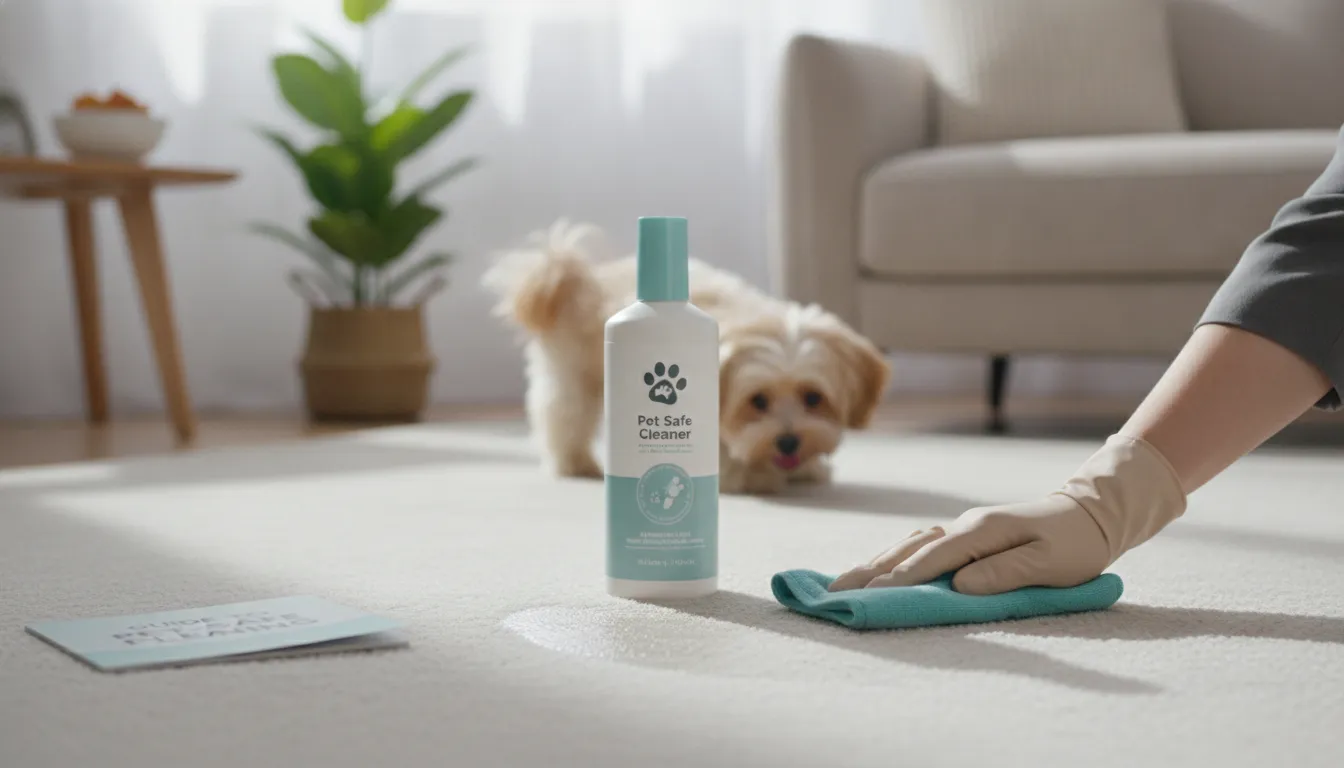
Pet stains are easier to manage when you act carefully and choose the right cleaning method. Before using a pet safe carpet cleaner, consider what caused the stain, what your carpet is made of, and whether you’re treating a small spot or cleaning with a machine. A product labeled for pet messes may still require careful dilution, ventilation, or a specific drying time. It may also be unsuitable for delicate fibers or your equipment. This guide covers how to read product directions, protect your carpet, and reduce your pet’s contact with wet areas. If odors or stains persist, a professional can help assess the carpet and recommend next steps.
Key Takeaways
- Read the complete product label: Check ingredients, warnings, ventilation, and drying instructions. “Pet-safe” does not guarantee a product suits every animal.
- Choose a cleaner for your carpet and equipment: Match the formula to the stain, carpet fiber, and cleaning method. Check your machine manual and test the cleaner in a hidden spot.
- Protect pets during and after cleaning: Blot spills, use only the directed amount, and keep pets away until the carpet is dry. For stubborn stains or odors, ask a professional for help.
What Is a Pet-Safe Carpet Cleaner?
A pet-safe carpet cleaner is formulated for use in homes with animals, but the term alone doesn’t tell you whether a product is suitable for your pet, carpet, or cleaning machine. Check the label, follow the directions, and think about how your pet might come into contact with the treated area.
Treat “pet-safe” as a claim, not a guarantee
“Pet-safe” can be a useful starting point, but it isn’t a guarantee that a cleaner will be harmless in every situation. Products made for pet messes may use enzymes or plant-derived ingredients to target organic stains and odors. Formulas and directions vary, though, and even a product intended for homes with pets can cause irritation if used incorrectly or if an animal is sensitive to an ingredient.
Read the label before applying a cleaner, including instructions for dilution, ventilation, and drying. For example, BISSELL’s pet carpet cleaner includes product-specific directions and cautions. If your pet has a known sensitivity, ask your veterinarian before trying a new product.
Consider your pet’s sensitivities, grooming habits, and carpet access
Your pet’s habits matter, too. A puppy that licks the floor, a cat that grooms its paws, or a dog with allergies may need extra distance from a freshly cleaned carpet. Some cleaning products can irritate people or pets, so watch for unusual signs such as coughing, sneezing, or discomfort.
Keep pets out of the room while you clean and until the carpet is completely dry, or for as long as the product label recommends. Ventilate the space when possible, and don’t let pets investigate damp areas or cleaning equipment. If you’re unsure whether a product is appropriate for your pet, check with your veterinarian. Before booking a service, you can also ask the cleaning company about the products and methods it uses.
Choose a formula for pet stains and odors
For urine, vomit, and other organic messes, choose a cleaner labeled for pet stains or odors. Enzyme-based formulas are designed to break down organic material, but they need time to work. Follow the label’s directions for the surfaces it can treat, how to apply it, and how long to leave it on the stain.
Also confirm that the product is compatible with your carpet-cleaning machine. A spot-treatment formula may not be intended for use in a machine’s solution tank. Check both the machine manual and product label before cleaning. If odors or stains persist, Cahill’s provides professional carpet cleaning with IICRC-certified technicians and specialized equipment.
What Should You Check on the Label?
A cleaner’s front label may make reassuring claims, but the full instructions tell you how to use it. Before applying a product, check that it’s intended for your carpet and cleaning method. Then look for guidance on dilution, ventilation, rinsing, and drying. These details matter when pets share the space, especially if they lick their paws or return to the carpet soon after cleaning.
If your pet has known allergies or respiratory sensitivities, review the ingredients and warnings carefully. When directions are unclear, contact the manufacturer or choose a product with more complete instructions.
Read ingredients, directions, and warnings
Check the ingredient list, then read the complete directions and warnings. Look for instructions on dilution, application, contact time, ventilation, and what to do if the product gets on skin or is swallowed. Make sure the cleaner is intended for your carpet and cleaning method. A product designed for spot treatment may not be suitable for a carpet-cleaning machine, and machine formulas can have specific use requirements. Check your machine manual, too, and follow the directions for both the solution and the equipment. If you’re unsure which approach suits your flooring, Cahill’s carpet cleaning services are an option to consider.
Check fragrances and essential oils for irritants
Fragrance may leave a fresh scent, but it can bother people or pets with sensitivities. Some cleaning products may irritate the airways and cause symptoms such as coughing, according to Astrobrite’s pet-cleaning guidance. Check the label for fragrance information, and consider an unscented formula if your pet has reacted to scented products before. Essential oils also warrant care: a natural scent does not necessarily mean a product is suitable for every animal. If you’re unsure about a particular ingredient or your pet has a history of skin or breathing problems, ask your veterinarian before using the cleaner.
Don’t assume “natural,” “plant-based,” or “non-toxic” means harmless
Words such as “natural,” “plant-based,” and “non-toxic” don’t explain exactly how to use a product around pets. They also don’t replace the directions or warnings on the label. Check whether the product requires dilution, ventilation, or a period of time when pets should stay off the carpet. For example, BISSELL’s product information says its formula is safe around kids and pets when used as directed. Apply that same careful approach to any cleaner: read the instructions rather than relying on a phrase on the front of the bottle.
Follow drying, ventilation, and residue instructions
Look for guidance on ventilating the room and keeping pets off the carpet. Drying time can vary depending on the carpet, airflow, humidity, and amount of cleaner used, so follow the product’s directions instead of estimating. If the label calls for rinsing or extraction, use the specified method. Don’t add a rinse step unless the instructions allow it. Residue left on carpet may come into contact with paws and can be licked off during grooming, so wait until the area is fully dry before letting pets back in. If the label doesn’t explain drying or residue removal, contact the manufacturer for advice.
Use certifications as clues, not proof of pet safety
A certification can provide useful information about a product, but it doesn’t guarantee that every pet will tolerate it. For example, the EPA Safer Choice program identifies products that meet its ingredient and performance criteria. That mark is one factor to consider, not a substitute for reading the product’s directions and warnings. Check what a certification covers, then weigh that information against your pet’s sensitivities and habits. If you can’t find clear instructions for using a cleaner around animals, contact the manufacturer or choose a product with more complete guidance.
How Do You Choose a Cleaner for Your Carpet and Machine?
Choosing a carpet cleaner takes more than matching a bottle to a stain. First, consider what caused the mess, what your carpet is made of, and whether you plan to treat the spot by hand or use a machine. A product that works on synthetic carpet may not be suitable for wool or other delicate fibers. Likewise, a spot-treatment spray may not be designed for a machine’s solution tank.
Read the product label and your machine manual before cleaning. Check which stains and carpet types the formula is meant for, how much to use, and whether it needs to be diluted or rinsed. Using too much cleaner, combining products, or applying the wrong formula can leave residue or affect carpet color. If you’re unsure about a carpet’s fiber or care instructions, avoid experimenting on a visible area.
It also helps to set realistic expectations. A cleaner may reduce a stain without removing it completely, especially if it has set or reached the carpet padding. For delicate fibers, persistent odors, or stains that return after cleaning, consider getting professional advice instead of repeating treatments.
Match the formula to the stain, carpet fiber, and cleaning method
Identify the type of mess before choosing a cleaner. Greasy food, dirt, and pet urine can respond differently to cleaning products, so a general-purpose formula may not be the best choice for every stain. Check the carpet’s care instructions as well. Wool and other delicate fibers may need products made specifically for them, while some formulas are intended only for synthetic carpet.
Make sure the cleaner suits your method, too. A spot-treatment spray, a machine formula, and a product for professional extraction are not automatically interchangeable. Choose one labeled for your stain, carpet type, and cleaning method. Tests of carpet cleaners on different messes show why it helps to match the formula to the stain rather than relying on broad claims such as “all-purpose.”
Use enzyme cleaners for organic messes and follow dwell-time directions
Enzyme cleaners are designed to break down organic material, so they’re often used for pet accidents and similar stains. They may help address odor sources left behind after surface cleaning. Check the label to confirm the product is appropriate for your stain and carpet, then follow its instructions for application and dwell time. Leaving it on longer than directed does not guarantee a better result.
Blot up as much of the mess as you can before applying a cleaner. Avoid scrubbing, which can spread the stain or work it deeper into the fibers. Use only the amount stated on the label, then follow the directions for blotting, rinsing, or extraction. Guidance about enzyme cleaners for pet stains can provide helpful background, but the product label should determine how you use a specific formula.
Check your machine manual for approved formulas and foam requirements
Before adding cleaner to a carpet machine, check the manual for approved formulas and use instructions. Some machines require low-foaming products, and too much foam can interfere with cleaning or leave residue behind. Don’t substitute dish soap or a household cleaner for a formula approved for your machine.
Check whether the product belongs in the solution tank or should be applied separately. If the instructions are unclear, contact the machine manufacturer instead of guessing. Product labels and manufacturer websites can list compatible models, but your machine’s manual is the best place to confirm what is appropriate for your equipment. For example, BISSELL’s product instructions identify the types of machines its formula is designed to work with.
Confirm compatibility with your machine type
Carpet machines differ in how they dispense solution, scrub fibers, and extract moisture. A formula designed for an upright deep cleaner may not be suitable for a portable spot cleaner, rental machine, or equipment from another brand. Check the cleaner’s label and your machine manual for a clear compatibility match.
Don’t rely on terms like “carpet cleaner” or “pet formula” to confirm that a product will work with your equipment. Check your machine’s model number and whether the product is intended for the solution tank or for spot treatment. If you can’t confirm compatibility, choose a formula approved by the machine manufacturer or ask the manufacturer for guidance before using it.
Compare dilution, rinsing, and extraction instructions
Some cleaners are concentrated and need dilution; others are ready to use. Measure carefully and follow the recommended amount for your machine and the area you’re cleaning. Adding extra detergent won’t necessarily improve results. It can leave a sticky film that attracts dirt or irritates a pet’s paws.
Check whether the directions call for rinsing or a second pass with clean water. Rinse or extract with plain water only if the product and machine instructions allow it. Follow the machine’s guidance for removing moisture, too. Thorough extraction can help remove leftover solution, but repeated wet passes may soak the carpet and padding. When directions differ, follow the product and machine instructions rather than improvising.
Test an inconspicuous spot for colorfastness
Before using a new cleaner on a visible area, test it somewhere discreet, such as inside a closet or beneath furniture. Apply a small amount as directed, wait for the recommended time, then blot with a clean white cloth. Once the test spot dries, check for color transfer, fading, or changes to the carpet’s texture.
This step matters especially for stain removers that contain bleaching agents, including some peroxide-based formulas, which can lighten carpet. If you notice a change, stop using the product and don’t apply another cleaner to try to reverse it. If you’re uncertain about a delicate carpet or a stain that won’t come out, Cahill’s provides professional carpet cleaning with IICRC-certified technicians.
How Can You Use Cleaner Safely Around Pets?
A careful cleaning routine can help limit your pet’s contact with wet carpet and cleaning products. Before you start, read the label and decide where your pet can stay until the area is completely dry. Take extra care if your pet has allergies, breathing sensitivities, or a habit of licking floors. If you’re unsure whether a product is suitable, ask your veterinarian. For persistent stains or odors, a professional can help assess the carpet and choose an appropriate cleaning method.
Keep pets away and ventilate the room
Move pets to another room before opening or applying a cleaner. Keep them away from the treated area while you work, and follow the product label’s instructions for ventilation and when it is safe to return. Open windows or use fans if the label recommends it.
Some cleaning products may irritate people and pets, so don’t rely on a product’s scent or appearance to judge whether the room is ready. If your pet has allergies or respiratory sensitivities, ask your veterinarian which ingredients or products to avoid. Astrobrite’s pet-cleaning guidance also recommends extra care for pets with sensitivities.
Blot stains and avoid soaking the carpet or padding
For a fresh accident, blot up as much liquid as possible with clean towels before applying a cleaner. Press gently, moving to a dry section of the towel as it absorbs moisture. Avoid scrubbing, which can spread the stain or push it farther into the fibers.
Apply only the amount of product directed on the label. Soaking the carpet can allow liquid to reach the padding or floor beneath, making the area harder to dry and potentially leaving a lingering odor. Quick blotting helps limit how much liquid penetrates the carpet. If the stain has already soaked through or the odor persists, consider asking a professional about the right treatment.
Follow label directions and never mix products
Read the full label before use, including directions for dilution, application, dwell time, and cleanup. Use the cleaner only on the surfaces listed. Never mix cleaning products. Combining ingredients can cause unwanted reactions or release harmful fumes.
Don’t add dish soap, vinegar, or another household product to a carpet-cleaning machine unless the cleaner’s label and your machine manual specifically allow it. A product that works on another surface may create too much foam or be unsuitable for the machine. Check the manual for approved formulas and use the recommended amount. If you can’t confirm that a product is compatible, choose one that is clearly approved for your machine.
Rinse or extract with plain water only when instructions allow
Some carpet cleaners require rinsing or extraction after their recommended dwell time, while others have different cleanup directions. Follow the product label first, and check your machine manual before adding plain water to a tank or using a water-only pass.
If both sets of instructions allow it, a pass with plain water may help remove leftover solution. Avoid making repeated wet passes that leave the carpet saturated. Too much moisture can extend drying time and may reach the padding. If you’re unsure whether rinsing is right for the product, carpet fiber, or machine, contact the product manufacturer or a carpet-care professional before continuing.
Extract thoroughly and keep pets off the carpet until it dries
After cleaning, remove as much moisture as possible with your machine or clean, dry towels, following the equipment instructions. Keep pets off the carpet until it is fully dry. Wet fibers can transfer cleaner or soil to paws, and pets may lick their paws afterward.
Drying time varies with the carpet, the amount of moisture used, airflow, and room conditions. Use fans or ventilation if appropriate, and follow any drying guidance on the product label. If the carpet stays wet for an unusually long time, or a strong odor remains after it dries, avoid adding more cleaner without checking the instructions. Cahill’s offers professional carpet cleaning for persistent stains and odors.
Store products securely and call a veterinarian if your pet shows signs of exposure
Put cleaners away as soon as you finish, and keep them in their original containers with labels intact. Store bottles, wipes, and machine solutions in a closed cupboard or another place your pet cannot reach. Keeping the label available makes it easier to identify the product if you need advice.
If your pet licks a cleaner, walks through a spill, or shows signs such as coughing, vomiting, unusual drooling, or skin irritation, contact a veterinarian promptly. Have the product container nearby so you can share its name and ingredients. For possible poisoning, the ASPCA Animal Poison Control Center provides guidance on next steps.
When Should You Skip DIY and Call a Professional?
A fresh, small spill may respond to careful spot cleaning, but persistent stains and odors can be harder to treat. If you’re unsure whether a product is suitable for your carpet or machine, stop and check the care instructions before applying it. Repeated treatments can leave residue, spread a stain, or expose carpet fibers to unnecessary wear.
Avoid using vinegar, baking soda, or dish soap in cleaning machines
Household ingredients aren’t automatically suitable for a carpet-cleaning machine. Dish soap can create excess foam, and vinegar’s acidity may affect some machine parts. Baking soda may not dissolve or extract as expected, which can leave powder or residue behind. Check your machine’s manual before putting any product in its tank, and use only a formula the manufacturer approves.
An online discussion about carpet-cleaning products includes personal concerns about vinegar and dish soap. Those comments aren’t verified guidance for your specific machine, so rely on its instructions rather than trying a household substitute.
Skip homemade mixtures with unclear ingredients or machine compatibility
Homemade mixtures can be hard to assess. You may not know how an ingredient will affect your carpet fiber, whether the mixture will leave a film, or whether it’s suitable for your machine. Combining products can also create unwanted reactions, so don’t mix cleaners or layer one treatment over another.
Before using any solution, check its label and your carpet and machine care instructions. If you can’t confirm what’s in a mixture or whether it’s compatible, choose a product labeled for your carpet and cleaning method instead. Follow the directions for dilution and application, and test the product on a hidden area first. If you’re still uncertain, skip the experiment and ask a cleaning professional for advice.
Get help if repeat cleaning leaves residue, sets stains, or risks carpet damage
If a stain remains after careful treatment, repeating the same process may not solve it. Extra product or moisture can leave a sticky residue, while hard scrubbing may damage fibers or push a stain deeper. Different spills also call for different approaches, so applying several products can make the spot harder to treat.
Stop DIY cleaning if the carpet feels tacky, looks discolored, or still smells after it dries. Keep pets away from the area, and avoid applying another cleaner until you know what was used and what the carpet needs. A professional can assess the stain and material before choosing a cleaning method, which may help prevent additional wear or discoloration.
Ask Cahill’s about IICRC-certified solutions and equipment for persistent stains or odors
For recurring stains or odors, ask Cahill’s about the products and process they recommend for your carpet. Cahill’s employs IICRC-certified technicians and uses advanced steam and hot-water extraction equipment, along with eco-friendly cleaning agents. Share what caused the stain, what you’ve already tried, and whether your pet has sensitivities. That information can help the team determine an appropriate approach.
No cleaning product works the same way on every carpet, and “eco-friendly” doesn’t automatically mean suitable for every pet or situation. Ask what steps to take before and after service, including how long pets should stay off the carpet while it dries. Avoid applying another treatment before your appointment unless Cahill’s recommends it.
Find professional carpet cleaning in Montgomery and Bucks Counties, PA
Cahill’s Carpet & Upholstery Cleaning serves Huntingdon Valley, Southampton, Jenkintown, Abington, Willow Grove, Langhorne, Newtown, and nearby communities. Its services include residential and commercial carpet cleaning, as well as area rug and upholstery cleaning. You can review Cahill’s cleaning services to see which option may suit your home or business.
Not sure if your address is covered? Check the areas Cahill’s serves or contact the team with details about the stain, odor, and carpet.
Related Articles
- Why Pet Accidents Get Worse in Winter | Bucks County Pros
- Pet Odor Elimination for Philadelphia Holiday Guests
- How Carpet Cleaning Reduces Allergies | Cahill's Carpet
- DIY vs. Professional Carpet Cleaning | Cahill's Carpet
- Guide to Using Rental Carpet Cleaners for Area Rug Cleaning
Frequently Asked Questions
Does “pet-safe” mean a carpet cleaner is safe for every pet?\ No. Pets can react differently to ingredients, fragrances, or residue. Read the product’s full label, keep your pet away while you clean, and ask your veterinarian about products if your pet has known sensitivities.
How long should pets stay off freshly cleaned carpet?\ Keep pets off the carpet until it is completely dry, or longer if the product label says so. Drying time varies with airflow, humidity, carpet type, and how much moisture was used.
Can I use a pet stain remover in my carpet-cleaning machine?\ Only if the product label and machine manual confirm it is suitable. Spot treatments and machine formulas are not always interchangeable. Using an unapproved product may leave residue or cause equipment issues.
What should I do if a pet stain or odor remains after cleaning?\ Avoid adding more products or repeatedly soaking the area. Blot fresh spills, follow the cleaner’s directions, and consider professional help if the stain or odor persists. Cahill’s offers carpet cleaning in Huntingdon Valley and nearby Montgomery and Bucks County communities.
What information should I share when booking professional carpet cleaning?\ Tell the cleaning team what caused the stain, which products you have already used, and whether your pet has any sensitivities. You can also ask about the cleaning method and how long pets should stay off the carpet afterward.