
Tile and Grout Sealing Service: What to Expect
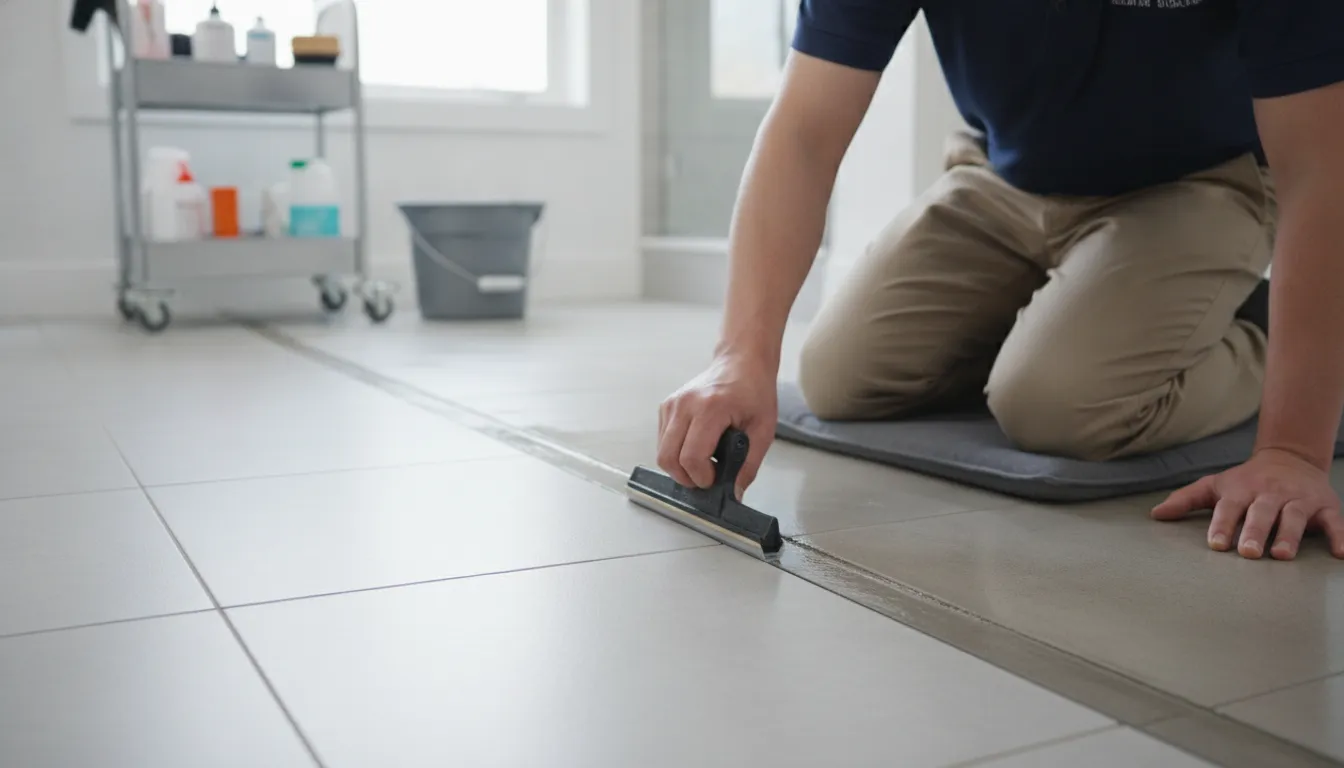
If your grout darkens quickly after spills or seems harder to clean than it used to, you may be wondering whether sealing could help. A tile and grout sealing service can be useful for some porous grout, but the result depends on the material, surface preparation, and product used. Glazed tile and epoxy grout, for example, have different needs from cement-based grout. This guide breaks down the benefits and limits of sealing, explains what a professional service may include, and shares practical questions to ask before scheduling. You’ll have a clearer idea of what your tiled surfaces need and what to expect from the work.
Key Takeaways
- Match the sealer to the surface: Identify the tile and grout materials, then consider moisture, foot traffic, and cleaning habits before choosing a product.
- Prepare grout before sealing: Arrange for inspection, cleaning, and drying first; address cracks, missing grout, or leaks as separate issues.
- Ask clear questions before booking: Confirm what the estimate includes, which product the technician recommends, how long curing takes, and what care the surface needs afterward.
Tile and Grout Sealing: Benefits and Limits
Sealing can help protect grout and make routine care easier, but it is not right for every surface or every problem. The best approach depends on the tile and grout materials, their condition, and how the space is used. Before applying a sealer, have the surface assessed and cleaned so the product can be matched to the material.
Resist stains and simplify routine cleaning
Cement-based grout is porous, so spills and everyday soil can soak in and leave discoloration. A suitable sealer slows absorption, giving you more time to wipe up coffee, cooking splashes, and tracked-in dirt. By helping keep contaminants closer to the surface, it can also make routine cleaning more manageable.
Sealing does not replace regular care. Sweep or vacuum loose debris, wipe up spills promptly, and use products that are safe for your tile and grout. Avoid harsh cleaners unless a professional confirms they are appropriate for the surface. When applied to clean, suitable grout, a sealer can help maintain its appearance between deep cleanings. Learn more about the benefits of tile and grout sealing.
Protect porous grout, but don’t waterproof it
Many cement-based grouts have tiny pores that can absorb water and other liquids. A penetrating sealer reduces how quickly moisture and stains enter those pores, which can be helpful in kitchens, bathrooms, entryways, and other areas that see regular spills or cleaning.
Sealer does not make grout waterproof. Water may still pass through grout or reach the materials beneath it, especially if there are cracks, missing grout, damaged caulk, or installation issues. Sealing also will not repair a leak or replace proper ventilation. If you notice persistent dampness or damaged grout, address the underlying issue before sealing. This guide to how grout sealer works explains why sealing offers protection, not a waterproof barrier.
Know sealing’s limits: it won’t repair damage or prevent every stain
Sealer works best when grout is clean and intact. It cannot fill cracks, replace missing grout, secure loose tiles, or remove stains that have already set. Those issues may need to be handled before sealing. Applying sealer over dirty or damaged grout can leave the underlying problem unresolved.
Sealing can reduce the chance of stains, but it cannot prevent every mark. A spill left in place, heavy soil, or an incompatible cleaning product may still affect the surface. Before booking service, ask whether the estimate includes deep cleaning, grout repair, or sealing only. These are different tasks, and the right plan depends on the condition of your floor. For more detail on what affects performance, read what to know about grout sealer.
Identify surfaces that may not need sealing, such as glazed tile or epoxy grout
Not every tile surface needs sealer. Glazed ceramic and porcelain tile generally have a protective surface, though the grout lines between tiles may still be porous. Epoxy grout is typically nonporous and usually does not require grout sealer. Using an unsuitable product can leave residue or an unwanted film, so identify the materials before applying anything.
Natural stone needs careful attention, too. Some stone types may benefit from a compatible sealer, while others require specific products and care. If you are unsure what your surface is made of, do not choose a sealer based on appearance alone. A professional can inspect the tile, grout, and existing finish and recommend appropriate next steps. Cahill’s tile and grout cleaning service can help local homeowners discuss the care their surfaces need.
What Does Tile and Grout Sealing Include?
Tile and grout sealing typically involves assessing the surface, cleaning it, applying a suitable product, and explaining how to care for the area afterward. The exact steps depend on the tile and grout materials, their condition, and the sealer selected. A kitchen floor, bathroom shower, and tiled entryway may each need different preparation and aftercare.
Before scheduling, ask what the service includes. Sealing may follow a separate deep-cleaning step, and it does not automatically include grout repair or color sealing. If grout is cracked, loose, or missing, those areas may need attention before a sealer is applied. Your technician should also explain curing time and when the surface can be used again.
Cahill’s provides tile and grout cleaning, but service details can vary by surface and condition. Contact the team to ask whether sealing is available for your project and what the estimate covers. Sharing the room, approximate surface area, tile type, and any concerns you’ve noticed can help start that conversation.
Inspect the tile, grout, existing sealer, and surface condition
Before choosing a product, a technician should identify the tile and grout materials and check for stains, buildup, cracks, loose tiles, or signs of an existing sealer. This assessment helps determine whether sealing is suitable and what preparation may be needed. Some grout is porous and can benefit from added protection, while certain tile surfaces may not need sealing.
Mention any areas that repeatedly stain or darken when wet, along with past cleaning or sealing treatments. Existing coatings can affect how a new product performs, and damaged grout may need repair first. A guide to sealing tile and grout also notes that the right approach depends on the surface. A careful inspection helps set clear expectations before work begins.
Clean the surface and let it dry
Sealer needs a clean surface to perform as intended. Soil, grease, soap residue, and cleaning-product buildup may interfere with application, so the cleaning method should suit the tile material and the type and amount of soil. A heavily used kitchen floor may need different preparation from a bathroom wall or tiled countertop.
After cleaning, the surface must dry according to the sealer manufacturer’s directions. Moisture, airflow, and the material itself can affect drying time, so ask the technician when the area is ready for sealing. Applying a product too soon may affect its performance. Professional tile and grout cleaning methods can vary depending on the surface condition and the kind of dirt or oil present.
Apply a suitable sealer and remove excess
Once the surface is clean and dry, the technician applies a sealer suited to the tile and grout. A penetrating sealer enters porous grout to help it resist stains without creating a prominent layer on the surface. Other sealers form a coating, but they are not appropriate for every material or location. The product choice should match the surface and its intended use.
Application matters, too. Excess sealer left on tile may dry into residue or haze, so it should be removed as directed by the manufacturer. Ask which product will be used and why it fits your surface. This Old House’s overview of grout sealers explains how penetrating and non-penetrating options differ. Your technician can clarify which type is suitable for the area being treated.
Explain curing time, ventilation, aftercare, and use limits
Before the technician finishes, ask how long the sealer needs to cure and when the area can handle foot traffic, water, or cleaning. Timing depends on the product and room conditions. Follow the technician’s instructions about ventilation, and keep children and pets away from the surface for the recommended period.
Ask which cleaners to use after curing. Products that are too harsh or incompatible may affect the finish. Sealer can help grout resist everyday spills, but it does not make a surface stain-proof or waterproof. A small water test may offer a clue about whether grout still repels moisture, but follow the product guidance and technician’s advice. Groutastic’s guide to grout sealer performance explains why effectiveness can vary by grout type and condition.
Clarify whether the service includes grout repair, color sealing, or deep cleaning
Sealing does not automatically include grout repair, color restoration, or deep cleaning. If grout is cracked, loose, or missing, ask whether it needs repair before sealing and whether that work appears in the estimate. Deep cleaning may also be a separate service, particularly if soil or residue has settled into the grout lines.
Color sealing is a separate option that uses a pigmented product to create a more uniform appearance and may change the grout’s color. Ask what preparation it requires and what finish to expect. Some companies offer color sealing with cleaning or restoration, but service details vary. Examples of grout color sealing show how it can be used to refresh or change grout color. For your project, ask Cahill’s about its available services and describe the surface and the result you want.
Which Sealer Suits Your Surface?
The right sealer depends on the grout and tile, the room’s moisture, and how often the surface is used and cleaned. A product suited to a kitchen floor may not be right for a shower or natural stone. Before choosing a sealer, identify the materials and check the surface condition. This helps determine whether it needs clear protection, a color refresh, or another treatment. A professional can assess the installation and explain which options fit.
Protect porous grout with a penetrating sealer, without forming a surface layer
Penetrating sealers soak into porous grout to reduce how readily it absorbs moisture and stains. They don’t create a visible coating, so the grout generally keeps its original appearance. This type of sealer is often used on cement-based grout in kitchens, hallways, and other areas where spills and everyday messes are common.
Sealing doesn’t make grout waterproof or stain-proof, so clean spills promptly and use appropriate cleaning products. The surface should also be clean and dry before sealer is applied. For more detail, read This Old House’s guide to protecting grout. A technician can check whether the grout is suitable for sealing and whether it needs cleaning or repair first.
Create a coating with a topical sealer, when suitable
Topical sealers form a layer on the grout’s surface. Depending on the product, this coating may add sheen or change the finish. Some homeowners prefer that look, but a topical sealer isn’t right for every location. Moisture and regular cleaning can affect how the coating wears, so consider the room’s conditions before choosing one.
Ask what finish to expect, how to care for it, and whether the product is appropriate for the area. This is especially important in bathrooms, where surfaces may stay wet. This Old House’s overview of grout protection cautions against non-penetrating sealers in wet areas. A professional can help you weigh the appearance you want against the surface’s exposure to water, cleaning, and foot traffic.
Refresh grout color and create an even finish with a color sealer
When grout has lasting discoloration or uneven color, a color sealer can create a more consistent appearance while sealing the surface. Depending on the product and available shades, you may be able to match the existing grout or choose a different color. It can be a practical option when cleaning alone won’t bring back the look you want.
Color sealing changes the grout’s appearance, so ask to review color choices and understand how the finish may look across the entire tiled area. It won’t fix cracked or missing grout, which may need repair first. For an overview of the process, see this guide to grout color sealing and restoration. Confirm what preparation is included before scheduling the work.
Match the sealer to the tile, grout, moisture, foot traffic, and cleaning routine
Start with the materials, not just the room. Cement-based grout is porous and often benefits from sealing, while epoxy grout generally doesn’t need the same treatment. Tile matters too: natural stone and glazed tile have different surface properties. Moisture, foot traffic, spills, and cleaning products can all influence which sealer is suitable.
Tell your technician how the area is used. A kitchen floor may face food spills and frequent mopping, while a commercial entryway may collect grit and see steady traffic. Those conditions can shape both product selection and care recommendations. For more on how grout type affects sealing, read this explanation of whether grout sealer works.
Ask how to treat natural stone, glazed tile, and epoxy grout
Different surfaces need different care. Natural stone may require a product formulated for the specific stone, while glazed tile has a finished surface that doesn’t absorb sealer like porous grout. Epoxy grout also has different sealing needs from cement-based grout. Identifying each material before work begins helps prevent unwanted residue or an unexpected finish.
Ask the technician how they’ll identify the tile and grout, which product they recommend, and whether the estimate includes cleaning, grout repair, or color sealing. These steps may be separate from sealing. Cahill’s offers tile and grout cleaning services; contact the team to discuss your surface and ask which treatment options are available for your installation.
How Often Should You Seal Tile and Grout?
There’s no single sealing schedule for every tiled surface. The right timing depends on grout type, sealer, foot traffic, moisture, spills, and cleaning habits. Check the product instructions and have a technician assess the surface before scheduling another application. Cahill’s offers tile and grout cleaning to help remove built-up soil and care for hard-surface floors.
Follow product guidance and your technician’s assessment
Start with the instructions for the sealer used on your grout, if you know the product. Sealers differ, and their performance depends on the surface and how they were applied. A technician can inspect the grout, check for signs of wear, and advise whether it needs resealing. As a general reference, Tile Club’s guide reports that the Tile Council of North America recommends sealing grout at least every two years. Your surface may need attention sooner, depending on its condition. If you don’t know when the grout was last sealed, share that with the technician before any new product is applied.
Consider foot traffic, spills, moisture, and cleaning products
A busy entryway or kitchen usually needs more frequent checks than a lightly used guest bathroom. Spills, standing water, regular scrubbing, and some cleaning products can also affect sealer over time. Follow the sealer’s care instructions and choose cleaners suited to your tile and grout. As a starting point, This Old House recommends resealing high-traffic areas every six to 12 months and lower-traffic areas every two to three years. These are general ranges, not fixed deadlines. Check the grout’s condition and consider how the room is used before deciding when to reseal.
Set maintenance expectations for kitchens, bathrooms, and commercial spaces
Kitchen floors often face food spills, frequent mopping, and steady foot traffic, so their grout may need more regular checks. Bathroom grout is exposed to moisture and cleaning products, especially around showers and tubs. Ventilating the room and wiping up standing water can help with routine care, but neither replaces sealing when the grout needs it. Commercial spaces vary widely in traffic and cleaning schedules, so their maintenance intervals should reflect daily use. Rather than sealing every room at once, ask a technician to assess each surface and suggest a practical plan for your home or business.
Watch for grout that absorbs water or stains more easily
If water quickly darkens the grout instead of sitting on the surface, the sealer may have worn down. A small water-drop check, sometimes called a bead test, can offer a useful clue. Groutastic explains how the test works, though results don’t replace a professional assessment. You can also watch for grout that stains more easily or becomes harder to clean than before. Test only a small, inconspicuous area, and avoid leaving water on surfaces that may be sensitive to moisture. If you’re unsure what the result means, ask a technician to inspect the grout.
Don’t assume every surface needs sealing on the same schedule
Tile and grout are different materials, so they may need different care. Cement-based grout is porous and typically needs sealing, while epoxy grout generally does not. Glazed tile has a protective surface, but the grout lines between tiles may still need attention. Natural stone also requires care suited to its type and finish, so check compatibility before using a general-purpose sealer. A technician can identify the materials and recommend an appropriate product and schedule. When requesting tile and grout service, share the surface type, any previous treatments, and areas of concern so the provider can assess what it needs.
How Do You Choose a Tile and Grout Sealing Service?
Choosing a tile and grout sealing service starts with understanding your surface and what you want the treatment to do. Ask how the provider will assess the tile and grout, prepare the area, and choose a suitable product. Before booking, compare the estimate, service details, and aftercare guidance so you know what to expect. These questions can help you find a qualified provider in Huntingdon Valley and nearby communities.
Check the provider’s experience, IICRC certification, and customer feedback
Ask how much experience the company has with tile and grout care, and whether its technicians hold relevant certifications. IICRC certification reflects training in cleaning and restoration practices. Customer reviews can offer further insight into communication, punctuality, and how the company responds to questions.
Look for reviews that describe work similar to yours, such as cleaning grout in a kitchen or bathroom. Specific feedback can help you understand how the provider manages the service from the first conversation through the appointment. You can also read about Cahill’s experience and professional approach, including its 48 years in the cleaning industry and IICRC-certified technicians.
Ask how they identify materials, prepare surfaces, and choose products
Tile and grout vary in porosity and finish, so ask how the technician will identify your materials before recommending a sealer. Glazed tile, natural stone, cement-based grout, and epoxy grout can call for different care. A knowledgeable provider should explain which surfaces are suitable for sealing and why a product is appropriate for your specific floor or wall.
Ask what preparation the service includes. Depending on the surface, it may need thorough cleaning and time to dry before a sealer is applied. Find out how the technician will protect nearby areas and remove excess product. Review Cahill’s cleaning services and ask the team whether sealing is available for your tile and grout type.
Confirm what the estimate includes and what sealing can’t fix
Request an estimate that clearly lists the work being proposed. Ask whether it includes inspection, deep cleaning, sealer application, grout repair, or color sealing. These are different services, so confirm that sealing is included rather than assuming it’s part of a cleaning appointment. Check whether the price covers the entire area and whether additional charges may apply.
Sealer can help reduce absorption and make routine cleaning easier, but it won’t repair cracked grout, secure loose tile, or make a surface completely waterproof. It also can’t prevent every stain. A reliable provider should explain what the treatment can reasonably accomplish and identify any damage that may need separate attention before the work begins.
Share your location, surface type, approximate area, and surface condition when requesting an estimate
When requesting an estimate, share your town, the approximate size of the area, and the tile or grout type if you know it. Describe the surface condition, including discoloration, cracked grout, recurring stains, or spots that remain damp. Photos can help the provider understand the project, although an in-person assessment may still be needed.
If you’re unsure what kind of tile you have, mention that rather than guessing. Clear details help the company determine whether it serves your location and what questions to ask next. Cahill’s service areas include Huntingdon Valley and nearby Montgomery and Bucks County communities. You can also contact the team with your location and project details.
Ask about scheduling, service coverage, package pricing, and current promotions
Confirm that the provider serves your address, then ask about available appointment times and how long the work may take. If you’re considering several rooms or services, ask whether they can be scheduled together and whether package pricing is available. Request a breakdown of what each package includes so you can compare estimates fairly.
Check directly for current promotions, since offers may change. Before booking, ask when you can use the treated area again and whether you need to move furniture or clear the space. These details help you plan the appointment and understand the total cost. If you have a preferred date or a time-sensitive need, mention it when you request the estimate.
Compare Cahill’s 48 years of experience, eco-friendly solutions, and bonded, uniformed professionals in Huntingdon Valley and nearby Montgomery and Bucks County communities
Price matters, but it’s also worth comparing a provider’s experience, credentials, products, and service standards. Cahill’s has 48 years of cleaning experience and employs IICRC-certified technicians. The company also uses eco-friendly solutions and advanced steam and hot-water extraction equipment. Its bonded, uniformed professionals serve customers within a 20-mile radius of Huntingdon Valley.
Cahill’s provides tile and grout cleaning for residential and commercial customers. Ask whether sealing is available for your particular surface, what preparation it requires, and what the estimate covers. If you’re in Huntingdon Valley or a nearby Montgomery or Bucks County community, sharing those details with the team can help you determine whether its service fits your needs and schedule.
Related Articles
- Tile and Grout Cleaning After Winter | Cahill’s
- Professional Tile and Grout Cleaning vs. DIY | Cahill's
- Professional Tile & Grout Cleaning Services | Cahill's | Huntingdon Valley PA
- Why Tile Floors Are Sticky in Summer | Cahill’s
Frequently Asked Questions
Does grout sealer make a tiled surface waterproof?\ No. Sealer can slow how quickly porous grout absorbs moisture, but it cannot stop water from passing through damaged grout, failed caulk, or installation gaps. Repair those issues and address any leaks before sealing.
Do all types of tile and grout need sealer?\ No. Cement-based grout may benefit from sealing, while epoxy grout generally does not. Glazed tile usually has a protective surface, and natural stone may need a product made for its specific material. Have the surface identified before applying sealer.
How can I tell if my grout may need resealing?\ Grout that darkens quickly when exposed to a small amount of water or begins staining more easily may need an assessment. These signs are not a definite test, so ask a technician to check the grout and any existing sealer.
Does tile and grout cleaning include sealing?\ Not necessarily. Cleaning, sealing, grout repair, and color sealing are separate tasks, so confirm what the estimate covers. Cahill’s offers tile and grout cleaning; contact the team to ask whether sealing is available for your surface.
How soon can I use the area after sealing?\ Curing time varies by product and room conditions. Ask your technician when it is safe to walk on, wet, or clean the surface, and follow the product’s aftercare instructions.