
Area Rug Cleaning With Pickup and Delivery for Businesses
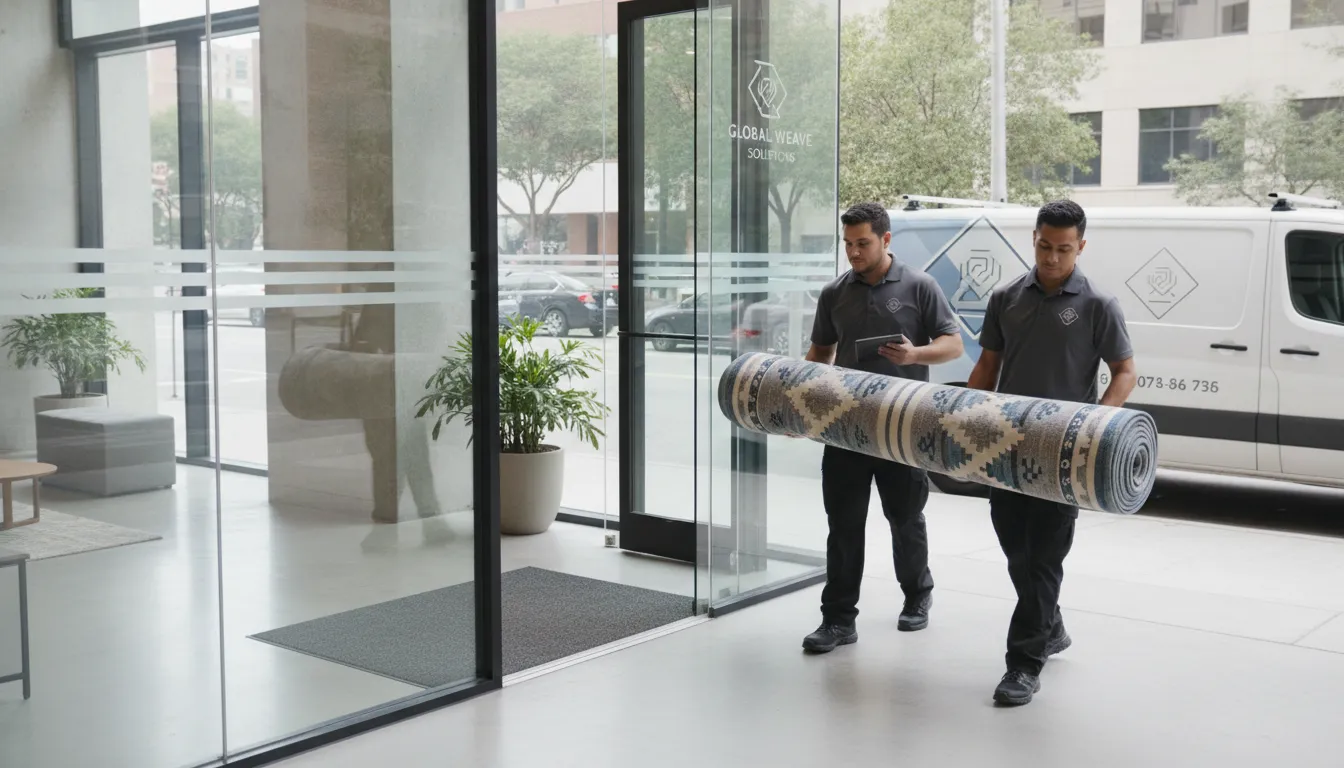
Business rugs often sit in the places people notice first: entrances, waiting rooms, reception desks, and dining areas. Keeping them clean can support a tidy, welcoming workplace, but arranging service shouldn’t add unnecessary stress to the workday. Area rug cleaning with pickup and delivery for businesses may help reduce on-site disruption by allowing rugs to be cleaned away from your premises. First, confirm that pickup and return are available at your address, then ask what the price includes, how rugs are protected in transit, and how long the process may take. Cahill’s has 48 years of cleaning experience and serves businesses in Huntingdon Valley and nearby areas. Contact the team to discuss your rug care needs.
Key Takeaways
- Plan service around business needs: Share rug sizes, locations, access details, and preferred timing to help coordinate cleaning with less disruption.
- Match cleaning to the rug: Ask how its fiber, construction, condition, and stains will shape the cleaning method and expected results.
- Confirm service details before booking: Contact Cahill’s to ask about pickup and delivery availability, costs, and turnaround for your location.
Why Choose Pickup and Delivery for Business Rug Cleaning?
Business rugs in lobbies, offices, restaurants, and retail spaces face steady foot traffic. Dirt tracked in from outside, food and drink spills, and everyday use can leave them looking dull or smelling stale. Cleaning a rug on-site may require moving furniture, closing off part of a room, and managing drying time. Pickup and delivery can make rug care easier to coordinate by allowing the rug to be cleaned away from your workplace.
Off-site service may also give technicians more time and space to inspect the rug, identify its material and condition, and choose an appropriate cleaning method. Before booking, ask what the service includes, how the rug will be handled, and how long it may be out of use. Pickup and delivery availability can depend on the cleaner and location, so confirm those details directly. Cahill’s offers area rug cleaning for businesses in Huntingdon Valley, Montgomery County, Bucks County, and nearby Pennsylvania communities. Contact the team to ask about pickup options for your workplace and rug.
Save Staff Time and Limit Workplace Disruption
Moving a large rug can be difficult when it sits under reception furniture, conference tables, or retail displays. Coordinating cleaning around business hours can add another task for your staff. If pickup and delivery are available, the rug can be taken away for cleaning and returned later, helping keep the room clear while work is underway.
Before scheduling, identify each rug that needs service and note where it belongs. Ask whether your team needs to move furniture or prepare the rug, and arrange access for pickup and return. Clear instructions can help the visit run smoothly and reduce interruptions for employees and customers.
Remove Embedded Soil, Stains, and Odors
Routine vacuuming removes loose debris, but soil can settle deeper into rug fibers with repeated foot traffic. Spills and tracked-in dirt may also leave marks or odors. A professional assessment helps determine which cleaning method is suitable for the rug’s material and construction.
Tell the cleaner what caused any stains and whether you have tried to treat them. Some marks may improve, while others can remain if the dye or fibers have been permanently affected. As J & S Steamway notes, discussing likely results before cleaning helps set clear expectations. Avoid applying a new product without checking first, since it may affect the rug’s color or texture.
Address Allergens and Heavy Foot Traffic
Rugs in entryways, waiting rooms, and shared offices collect dust and particles tracked in on shoes and clothing. Busy areas may show soil sooner than spaces with less use. Regular vacuuming, paired with professional cleaning when needed, can help keep rugs looking presentable and remove accumulated debris.
Set a cleaning schedule based on how each rug is used. An entry rug exposed to outdoor dirt may need more frequent attention than one in a private office. Share any concerns about visible buildup, dust, or odors with the cleaner, and ask which approach suits the rug’s material. Cleaning can help reduce soil and particles in the rug, but results depend on its condition and construction.
Protect Rug Appearance and Extend Its Life
A rug contributes to the look and comfort of a workplace, so it’s worth choosing care that fits its material and condition. Dirt trapped in the pile can make a rug look worn, while unsuitable products or cleaning methods may affect its color, texture, or backing. An inspection helps a technician select an approach for the specific rug rather than treating every rug alike.
When arranging service, share what you know about the rug’s age, material, stains, and past repairs. Ask how the cleaner checks for color stability and handles delicate or hand-knotted pieces. A cleaning plan suited to the rug can help maintain its appearance over time. Between professional cleanings, vacuum regularly and address spills promptly, following care guidance for the rug’s fibers.
How Does Rug Pickup and Delivery Work?
Pickup and delivery can simplify area rug cleaning for a busy workplace. Instead of cleaning a rug in place, a service provider may collect it, inspect it, clean it off-site, and return it when it is ready. The exact steps depend on the company and the rug, so confirm what the service includes before booking. Ask whether pickup and delivery are available at your location, how rugs are protected during transport, and how long the process usually takes.
Before scheduling, gather details about each rug, including its dimensions, location, fiber type if known, and any stains, odors, or visible wear. Photos can help the cleaner understand your concerns, though an in-person inspection is needed to assess the rug fully. Also consider workplace logistics, such as building access, loading areas, and when staff can move furniture. Cahill’s provides area rug cleaning, and you can contact the team to ask whether pickup and delivery options are available for your business.
A clear process helps your staff plan for the rug’s time away and ensures each item is tracked from collection to return. Here are the main steps to discuss with your cleaner.
Schedule Service and Share Rug Details
Choose a pickup window that works with your business operations, then share what you know about each rug. Include its approximate size, where it is used, and any known details about its fiber or construction. Describe concerns such as food spills, odors, heavy traffic lanes, or previous cleaning treatments. Photos of the whole rug and close-ups of problem areas can help the cleaner prepare for an inspection.
For a commercial space, discuss building access, loading arrangements, operating hours, and whether furniture needs to be moved before pickup. If you have several rugs, ask how many can be collected during one visit. Pickup schedules and service areas vary, so contact Cahill’s to confirm what options are available for your workplace.
Document Rug Condition and Track Each Item
Before a rug leaves your workplace, photograph its front, back, edges, and any visible stains, worn areas, fraying, or existing damage. Note where the rug is used and, if known, what caused the soiling. Keep a copy of these details so your team and the cleaner can refer to the same record when discussing the rug’s condition and expected results.
Ask how the company identifies rugs during intake and whether it provides a written inspection or service record. Individual labels are especially useful when your business sends several rugs at once, as they help prevent mix-ups and make it easier to return each rug to the right room. A careful inspection helps set expectations based on the rug’s actual condition, as explained in this rug cleaning process guide.
Confirm Handling, Cleaning Plans, and Turnaround
After inspection, ask which cleaning method the technician recommends and why. A suitable plan should account for the rug’s fibers, construction, dyes, backing, and condition, along with the type of soil or stain. Share concerns about delicate materials, fading, odors, or previous color changes before cleaning begins. Some stains, wear, and discoloration may remain, so ask what results are realistic for your rug.
Confirm the estimated turnaround and whether it includes inspection, cleaning, drying, and return delivery. If your business has a deadline, such as an event or room reopening, mention it when scheduling. You may need to arrange temporary floor coverage or adjust how a space is used while the rug is away. Cahill’s serves Huntingdon Valley and surrounding communities, so check with the team about availability and timing for your location.
Protect Rugs During Transport and Off-Site Cleaning
Ask how rugs are prepared for transport. Find out whether each rug is rolled, wrapped, and kept separate from other items to help protect it during handling. You can also ask how rugs are labeled and stored at the cleaning facility, especially if your business is sending several pieces or rugs with similar patterns.
Area rugs vary in fiber, dye, backing, and construction, so they may require different handling and cleaning methods. Tell the cleaner about fragile edges, loose threads, past repairs, or sections that need extra care. Before booking, clarify who will move furniture and how the company documents existing damage. These details help everyone understand how the rugs will be handled from collection through cleaning and return.
Check Returned Rugs for Spots, Odors, Color, Texture, and Dryness
When your rugs are returned, inspect them before putting them back into regular use. Compare their appearance with the photos and condition notes from pickup. Check whether reported spots and odors have improved, whether the color looks consistent, and whether the texture feels clean rather than stiff or sticky. If something concerns you, contact the provider promptly and refer to your original notes.
Ask the cleaner to confirm that each rug is fully dry and ready to be placed on the floor. If a rug still feels damp, allow more drying time before adding furniture or resuming foot traffic. For commercial spaces, plan the return around room access so staff can reinstall the rugs safely. A final check helps your team confirm that each item has returned to the correct location and that any remaining questions are addressed.
How Can You Match Rug Cleaning to Your Workplace?
The right cleaning plan depends on the rug, the type of mess it collects, and how often people use the space. Consider these factors when discussing service with a professional cleaner.
Consider Fiber, Construction, Dye Stability, and Backing
Rugs can be made from wool, cotton, synthetic fibers, or blends, and each material responds differently to moisture and cleaning solutions. The weave, dyes, and backing matter, too. A method suited to a durable synthetic rug may not be right for a wool rug or one with a delicate backing.
Share what you know about the rug’s materials, age, previous treatments, and history of stains or water exposure. If you’re unsure, ask the cleaner to inspect it before recommending a process. Area rugs can need different care from wall-to-wall carpet because their fibers and construction vary. A careful assessment helps determine an appropriate cleaning and drying plan.
Request Specialized Care for Delicate, Antique, or Hand-Knotted Rugs
Antique, hand-knotted, and delicate rugs may need more specialized care than durable rugs in high-traffic areas. Before cleaning, tell the provider about the rug’s age, known repairs, and any areas where the colors or fibers seem fragile. Share care instructions or appraisal details if you have them.
Ask how the technician will assess dye stability and protect the fibers, fringe, and backing. An unsuitable cleaning method may cause dye bleeding, shrinkage, or fiber damage. A professional evaluation helps identify potential risks and determine the right approach. As rug care professionals explain, matching the process to the rug’s materials and condition can help protect its appearance and structure.
Set Cleaning Schedules for Lobbies, Offices, Entryways, and Dining Areas
Plan cleaning around how each space is used. Entryways and lobbies often collect tracked-in dirt and may need more frequent attention than private offices or meeting rooms. Dining areas can need extra care for food spills, while rugs beneath desks may be cleaned based on visible soil and foot traffic.
To limit disruption, ask about scheduling service during evenings, weekends, or other quieter periods. You can coordinate rug cleaning with other maintenance tasks and adjust the schedule as business activity changes. Cahill’s provides area rug cleaning for residential and commercial customers. Contact the team to discuss your rugs, your workplace schedule, and available service options.
Ask Which Treatments Suit Stains, Wear, and Odors
Explain the problem you want addressed before cleaning begins. A coffee spill, ground-in soil, lingering odor, and worn traffic lanes each need a different assessment. Tell the technician when the issue started, what may have caused it, and whether anyone has already tried a household cleaner. These details can help guide the cleaning plan.
Ask which treatment is suitable for the rug’s materials, whether a spot test is recommended, and what results to expect. After cleaning, check for remaining spots or odors, even color, consistent texture, and dryness before returning the rug to a busy area. If an issue remains, ask the provider to review it and explain the next steps.
What Should Businesses Look for in a Rug Cleaning Service?
Choosing a rug cleaner for your business takes more than comparing prices. Rugs in lobbies, offices, waiting rooms, and dining areas collect tracked-in soil, spills, and everyday wear. Look for a provider that can explain how it assesses different rugs, what its cleaning process involves, and how it protects each item from pickup through return.
Before booking, ask about the company’s experience, technician training, service area, and customer reviews. Find out how staff document a rug’s condition, choose a cleaning method, and check the results. If your business has several rugs or locations, ask how the company handles scheduling and keeps items organized.
It also helps to discuss your expectations upfront. Ask what the service includes, how long it may take, whether pickup and delivery are available, and how the company handles concerns. Rugs can differ in fiber, dye, backing, and construction, so cleaning methods should reflect the rug’s needs. A provider who explains the process clearly can help you plan service around your workplace and make an informed choice.
Check Experience, Reviews, Training, and Service Area
Look for a company with experience cleaning rugs for both homes and businesses. Ask how long it has provided rug cleaning and whether its technicians have relevant training or certifications. Customer reviews can help you understand how the company communicates, keeps appointments, and responds to concerns. When possible, look for comments about rug cleaning specifically.
Confirm that the company serves your workplace’s location, especially if you manage several sites. Cahill’s brings 48 years of cleaning experience, IICRC-certified technicians, and bonded, uniformed professionals to communities within a 20-mile radius. Read about Cahill’s experience and approach and check its service areas to see whether your business is nearby. Ask about scheduling for each address before arranging service.
Ask How Technicians Assess Rugs and Choose Cleaning Methods
Ask how technicians inspect a rug and select a cleaning method. A careful assessment considers the rug’s fiber, construction, backing, dye stability, condition, and any stains or odors. Area rugs are not simply smaller versions of wall-to-wall carpet. Their materials and construction can call for different cleaning, drying, and handling steps, as this guide to rug cleaning and pickup explains.
Share what you know about the rug, including its age, material, and cleaning history. For a delicate, antique, or hand-knotted rug, ask whether the technician will check for damage or test the dyes before cleaning. The provider should explain the recommended approach in plain language and raise any concerns before work begins.
Confirm Pickup, Tracking, Handling, and Damage Procedures
If pickup and delivery are available, ask how the company protects rugs from collection through return. Find out whether staff document each rug’s condition, label items, and keep an inventory. These steps can help your team track multiple rugs and confirm that each one comes back to the right location.
Ask how rugs are rolled, wrapped, loaded, and stored during transport. A careful pickup can reduce the chance of damage before cleaning begins, as this overview of the pickup process notes. Before booking, clarify how the company records existing wear, fringe damage, stains, or color changes. Also ask what procedure it follows if a rug is damaged while in its care. Get these details before scheduling so your team knows what to expect.
Look for Quality Checks and Clear Service Guarantees
Ask what the company checks before returning a rug. A final review may include remaining spots, odor, texture, color consistency, and dryness. A rug should be fully dry before it goes back into a busy area, and lingering marks or odors may affect the space. Ask whether you can inspect the rug at delivery and how to raise a concern about the results.
Clarify what the service includes and what results are realistic. Some stains may not come out completely, and cleaning cannot make an older rug look new. Ask how technicians assess likely results before starting, and request written details about the work, any satisfaction policy, and the process for follow-up concerns. Clear expectations help you plan around the service and assess whether it meets your business’s needs.
Ask Cahill’s About Area Rug Cleaning and Pickup Options Nearby
If your business is in Huntingdon Valley, Southampton, Jenkintown, Abington, Willow Grove, Langhorne, Newtown, or a nearby community, ask Cahill’s about area rug cleaning for your location. Cahill’s serves residential and commercial customers with IICRC-certified technicians. Its cleaning services include area rug care, as well as carpet, upholstery, tile and grout cleaning.
When you contact the team, share the rug’s size, material, condition, and how it is used. Ask how the rug will be assessed, which cleaning method may suit it, and how long the service could take. Pickup and delivery arrangements can depend on your location, so confirm availability and any related costs rather than assuming they are included. Use the Cahill’s contact page to ask about scheduling, handling, and service options for your workplace.
What Affects Pickup-and-Delivery Rug Cleaning Costs?
Pickup-and-delivery rug cleaning costs can depend on more than the distance between your business and the cleaner. The rug’s size, material, construction, and condition all affect the work involved. A large entry rug with embedded grit may need a different approach from a small office rug with light soil. Stains, odors, delicate dyes, and fringe can also require extra assessment or treatment.
Before you compare estimates, ask each provider to explain what the price includes. Does it cover pickup, inspection, cleaning, drying, and return delivery? Are stain or odor treatments included, or charged separately? Confirm any added fees for difficult building access or locations outside the company’s regular service area. A pickup-and-delivery process guide can help you identify useful questions to ask.
Price matters, but so do the cleaning plan, handling procedures, communication, and expected turnaround. Since rugs vary in fiber, dye, backing, and construction, the right method is important for protecting them. If your business is in Cahill’s service area, ask about its area rug cleaning services and whether pickup and delivery are available for your location.
Compare Quotes by Rug Size, Material, Condition, and Treatment Needs
Share each rug’s measurements and, if possible, clear photos when requesting estimates. Size can affect the labor and cleaning materials needed. Wool, silk, cotton, and synthetic fibers may each call for different handling, while a rug’s condition can add to the work. Ground-in soil, stains, odors, fringe damage, or possible dye instability may require extra assessment or treatment.
Describe where each rug is used and what you want addressed. A dining-area rug with food spills may need a different plan from an entry rug exposed to grit and moisture. Ask providers to itemize additional treatments so you can compare quotes accurately. Some cleaners use square-foot pricing, but the final cost can vary based on the rug and requested service. This industry pricing overview offers general context; request a written estimate for your specific rugs.
Confirm What Pickup, Delivery, Inspection, and Treatments Include
Check whether the estimate covers both collection and return delivery, and ask about limits based on distance, building access, or the number of rugs. For a business, clarify who will arrange access and identify each item. Ask whether the cleaner inspects rugs before work begins and contacts you if that assessment changes the estimate.
Find out which cleaning steps are included and whether treatments for stains or odors cost extra. Pickup-and-delivery service can involve assessment and handling as well as transportation. A guide to the process outlines common stages you can discuss with a provider. Before booking with Cahill’s, use its contact page to ask which options are available for your business location.
Ask About Turnaround, Quality Checks, and Extra Fees
Ask how long the service typically takes and whether the schedule changes when rugs need specialized care or the business is busy. If a particular rug is important to a lobby or customer area, share your preferred service window and confirm what the cleaner can accommodate. Get the expected turnaround in writing if timing is essential to your operations.
Also ask about possible fees for stain treatments, odor removal, difficult access, or redelivery. Before the rugs come back, find out what the team checks. Useful quality checks include reviewing remaining spots, odors, texture, color consistency, and dryness. These details matter when rugs are going straight back into regular use. This quality-check guide describes points you can ask the provider to confirm.
Weigh the Cost Against Specialized Care and Professional Results
An area rug is not simply a smaller version of wall-to-wall carpet. Its fibers, dyes, backing, and construction influence how it should be cleaned and dried. A low quote may not include the inspection or specialized care a rug needs, particularly if it is antique, hand-knotted, or made from delicate materials.
Compare the price with the proposed cleaning method, the team’s experience, and the steps taken to protect the rug. Ask how technicians assess fiber type and dye stability, and whether they explain any risks or limits before starting. Specialized care may be especially valuable for rugs that are expensive, highly visible, or used every day. This guide to professional rug cleaning explains why different rugs may call for different cleaning methods.
Don’t Assume Pickup Is Free or Every Cleaner Uses the Same Process
Pickup and delivery might be included in the price, listed as a separate fee, or offered only within a defined service area. Confirm the terms before booking, especially if your business has multiple locations or needs a specific collection time. Ask whether stairs, loading restrictions, limited parking, or several rugs affect the cost.
Cleaning methods vary, too. Some providers clean rugs at your business, while others take them to a facility for inspection and treatment. The best option depends on the rug and the cleaning plan. An unsuitable method may lead to dye bleeding, shrinkage, or fiber damage, so ask how the provider selects an approach for each item. Check whether your address is within Cahill’s service area and contact the company to confirm pickup options before scheduling.
Related Articles
- Professional Area Rug Cleaning Services | Huntingdon Valley
- Why Your Area Rug Looks Worn | Cahill’s Carpet Cleaning
- The Benefits of Regular Rug Maintenance | Cahill's Carpet
- Area Rug Cleaning Techniques: Expert Tips for All Rug Types
- Guide to Using Rental Carpet Cleaners for Area Rug Cleaning
Frequently Asked Questions
Can Cahill’s pick up and deliver rugs for businesses?\ Pickup and delivery may depend on your workplace location and scheduling needs. Contact Cahill’s to confirm whether the service is available for your address and ask about any related fees.
How should I prepare rugs before pickup?\ Make a list of the rugs you want cleaned, note where each one belongs, and describe any stains, odors, or damage. Ask the cleaner whether your staff should move furniture or take other steps before collection.
How long will my business rug be away for cleaning?\ Turnaround varies based on the rug’s material, condition, cleaning needs, and the provider’s schedule. If you need a rug back by a certain date, share that when you request an estimate.
Can professional cleaning remove every stain or odor?\ Not always. Results depend on the stain, rug fibers, dyes, and how long the issue has been present. Describe any previous treatments and ask the cleaner what results are realistic before work begins.
How can I estimate the cost of commercial rug cleaning?\ Share the rug’s measurements, material if known, condition, and cleaning concerns. Ask whether the estimate includes inspection, cleaning, drying, pickup, and return delivery, and confirm any additional charges.