
Area Rug Cleaning by Material: How to Clean Each Fiber
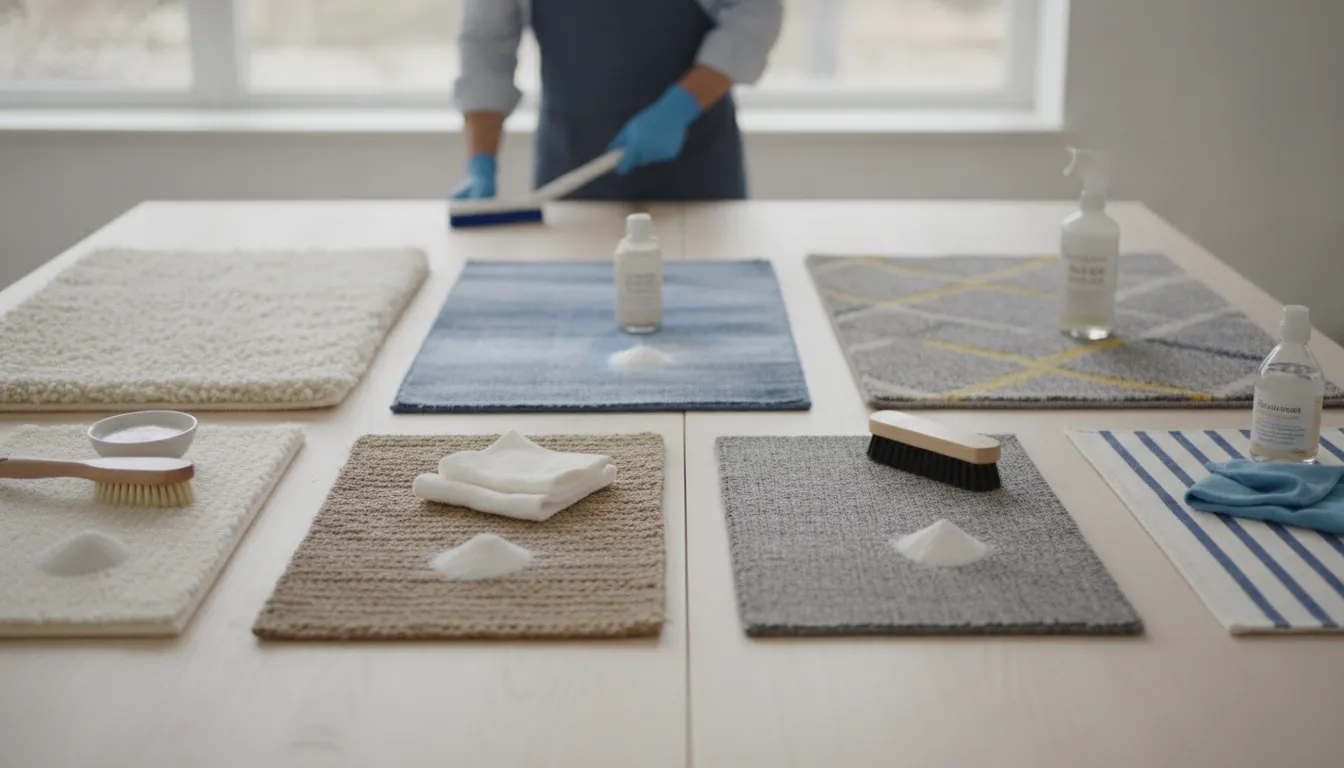
A rug can look sturdy enough to handle any cleaning method, but its fibers may tell a different story. Wool, synthetic materials, silk, viscose, and plant-based fibers each respond differently to moisture, heat, and cleaning products. Choosing the wrong approach can leave a stain, change the texture, or damage the backing. That’s why area rug cleaning by material matters. Start by checking the care label and looking closely at the rug’s fibers and construction. If you can’t identify them, avoid experimenting with household cleaners. This guide explains how to care for common rug materials, which mistakes to avoid, and when to call a professional in Montgomery or Bucks County.
Key Takeaways
- Check the rug’s care instructions first: Fiber, dyes, backing, and construction all affect which cleaning methods are suitable.
- Keep home care gentle: Blot spills, use only label-approved products, limit moisture, and let the rug dry completely.
- Get professional guidance when needed: Delicate rugs, persistent stains or odors, and rugs that are hard to handle may need expert care. Cahill’s serves homes across Montgomery and Bucks Counties.
How Do You Identify Your Rug’s Material?
Before cleaning a rug, try to identify its fibers. Wool, synthetic materials, and delicate plant-based fibers can respond differently to water and cleaning products, so guessing may cause discoloration or damage. Start with the care label, then inspect the rug’s construction. If you’re still unsure, ask a professional before treating it.
Check the Care Label
Look for a care label on the underside of the rug or along one of its edges. It may list the fiber, explain whether the rug is handmade or machine-made, and provide cleaning instructions. Follow the label’s directions before trying a spot treatment.
If there’s no label, check paperwork from the retailer or manufacturer. You can also contact the seller with the rug’s brand, style, or product number. Asking about care and maintenance may help you learn what the rug is made of, as Edward Martin’s rug-material guide explains.
Treat the label as a starting point. A rug may combine several fibers, and its dyes or backing may need different care from the pile. If the instructions are missing or unclear, hold off on applying a cleaner until you know more.
Examine the Fibers, Weave, Backing, and Fringe
In a bright spot, look closely at the rug’s pile. Wool often feels springy, while many synthetic fibers have a smoother, more uniform appearance. Cotton may feel soft and flat. These clues can help, but they aren’t definitive: texture varies, and blends can be hard to identify by sight or touch.
Turn the rug over to inspect its weave and backing. A hand-knotted rug may show its pattern through the back, while a machine-made rug often has a more uniform construction. Latex or felt backing can offer clues, but it doesn’t confirm what the pile is made of. Prestige Carpet Cleaning’s rug-care guide recommends checking the backing and construction as part of identifying a rug.
Look at the fringe, too. It may be part of the rug’s foundation or sewn on separately, and that can affect cleaning. Don’t pull fibers or fringe to test them.
Skip Burn Tests and Risky Home Tests
A burn test is sometimes suggested for identifying fibers, but it involves setting material on fire. Don’t cut strands from a visible area or try to burn fringe at home. You could damage the rug, start a fire, or breathe smoke from synthetic materials.
Be cautious with other DIY tests. Bleach, solvents, hot water, and strong stain removers may change the rug’s color, weaken its fibers, or damage its backing. Even a cleaner labeled “natural” may not be suitable for your rug. Avoid rubbing fibers with abrasive tools or soaking an area to see how it reacts.
Before trying any fiber-identification method you find online, consider whether it could leave a mark or change the rug’s texture. If you don’t know what the rug is made of, check the care label or ask the seller or a rug cleaner rather than experimenting.
Ask a Rug Cleaner if You’re Unsure
If the fiber is unclear or the care instructions are missing, ask a rug-cleaning professional before treating it. This is especially important for silk, viscose, rayon, jute, sisal, and linen. These materials can be sensitive to moisture and may stain, distort, or change color if cleaned incorrectly. Avoid wet-cleaning a delicate rug until you know which methods are appropriate.
To help a cleaner assess it, share clear photos of the front, back, fringe, and any label. Mention the type of stain, where it’s located, and whether the rug has been cleaned before. These details can help identify potential concerns and guide the next steps.
Cahill’s provides area rug cleaning for homes in Huntingdon Valley and surrounding Montgomery and Bucks County communities. If you’re unsure about your rug’s material, contact the team before trying a home treatment.
How Do You Clean Each Rug Material?
The right cleaning method depends on a rug’s fibers, dyes, backing, and construction. A technique that works for one rug can leave another stained, misshapen, or damaged. Start by checking the care label, and test any approved cleaner on a small, hidden area before treating a visible spot.
For most spills, blotting is safer than scrubbing. Use a clean, dry cloth to absorb liquid, pressing gently instead of rubbing it into the fibers. If you can’t identify the rug’s material, avoid wet cleaning until you know what it can handle. A professional can help assess the rug and recommend a suitable method. This is especially helpful for delicate, valuable, or heavily soiled pieces. Cahill’s offers area rug cleaning services for homes in Montgomery and Bucks Counties.
Wool: Blot With Cool Water and Use Wool-Safe Cleaner
Blot a spill on a wool rug as soon as possible with a clean, dry cloth. Press gently to absorb the liquid, working from the outside of the spill toward the center. Don’t rub, since friction can work the stain deeper into the pile.
For a small spot, use a little cool water and a cleaner labeled safe for wool. Apply the solution to a cloth, not directly to the rug, and test it in a hidden spot first. Blot the area, then use a separate cloth lightly dampened with cool water to remove residue. Avoid soaking the rug or using hot water. The Nourison Home rug-cleaning guide recommends professional care for deep cleaning wool, particularly when a rug is heavily soiled or has a stubborn stain.
Synthetic Fibers: Spot-Clean and Follow Care Instructions
Polypropylene and polyester rugs may tolerate routine spot-cleaning, but always check the care label before using water or detergent. First, blot the spill with a clean cloth. If the label allows wet cleaning, mix a small amount of mild, dye-free dish soap with warm water. Apply the suds with a cloth and work gently. Don’t scrub or soak the rug.
Use a clean cloth dampened with water to lift away soap residue, which can attract soil if left behind. Follow the care instructions for drying, and make sure both sides are fully dry before returning the rug to the floor. The Nourison Home guide recommends air-drying synthetic rugs on both sides. If dye transfers during a spot test or the backing gets wet, stop and ask a rug cleaner for advice.
Jute and Plant Fibers: Blot Spills and Limit Moisture
Jute, sisal, and other plant-fiber rugs can be sensitive to moisture. Water may leave a mark, alter the texture, or damage the fibers, so avoid rinsing a spill or using a steam cleaner unless the manufacturer specifically says it’s safe.
Blot spills promptly with a clean, dry cloth, pressing gently to absorb as much liquid as possible. For a wet spill on jute, the Nourison Home cleaning guide recommends applying baking soda to absorb moisture. Once the area is dry, vacuum the powder carefully. If a stain or odor remains, don’t keep trying different household products. Contact a professional cleaner to discuss options that limit moisture exposure and reduce the risk of further damage.
Cotton: Machine-Wash Only if the Label Allows
Some small cotton rugs can be machine-washed, but the fiber alone doesn’t determine whether washing is safe. A rug’s backing, dyes, size, and construction can affect how it responds to water and agitation. Check the care label for washing instructions, water temperature, and drying guidance before placing it in a machine.
If the label permits machine washing, follow its directions closely. Larger cotton rugs may need dry-cleaning powder or professional care instead. Edward Martin’s guide to identifying rug materials notes that care can vary based on the rug’s size and label instructions. If the label is missing, or the rug is too large for your washer, blot spills rather than attempting a full wash. A rug cleaner can help you choose a suitable method.
Silk and Viscose: Skip DIY Wet Cleaning
Silk and viscose rugs are delicate, and moisture or friction can affect their color, texture, or shape. Avoid wet-cleaning methods, steam cleaners, and household stain removers unless the care instructions specifically approve them. For a fresh spill, gently press a clean, dry cloth onto the area to absorb liquid. Don’t rub or add water.
If a stain remains, consult a professional before trying another treatment. Viscose, rayon, and other delicate fibers can be especially vulnerable to water marks or color changes. Edward Martin’s material guide recommends dry blotting or professional care for fibers that may be damaged by moisture. If you aren’t sure whether your rug contains silk, viscose, or a blend, treat it as delicate until a rug-care professional can identify the material.
Blends, Shag, and Fringe: Consider Fiber and Construction
Blended rugs combine fibers that may respond differently to water and cleaning products. Check the care label for the full fiber content, then follow the instructions for the most delicate material in the blend. If you can’t identify the fibers, avoid wet cleaning until you’ve asked a professional.
Shag rugs have a long pile that can trap debris and make rinsing and drying difficult. Vacuum gently with a setting suited to the rug, and avoid aggressive brushing. Fringe can snag or loosen, so don’t scrub it or vacuum it with strong suction. Fiber, weave, and construction all matter when choosing a cleaning method, as Owl Cleaners’ rug-care advice explains. For a blend, shag rug, or delicate fringe that needs more than routine care, consider professional area rug cleaning from Cahill’s.
How Do You Clean a Rug Safely at Home?
A careful home routine can help manage everyday dust and spills, but rugs don’t all respond to cleaning in the same way. Check the care label first and consider the rug’s fibers, backing, and construction before using water or a cleaning product. If the rug is delicate, valuable, or unfamiliar, ask a professional for advice before treating it.
Vacuum With the Right Setting
Vacuum regularly to remove dust and grit before they settle into the fibers. For delicate rugs, choose suction only and switch off the rotating brush, which can catch or loosen yarns. Nourison Home recommends suction without a rotating brush for at-home rug care. If your vacuum doesn’t have a suction-only setting, try a handheld vacuum or upholstery attachment, moving gently across the surface. Take care around fringe and loose threads, and don’t pull at snags. Check the rug’s care label before vacuuming, especially if it’s antique, shag, or hand-knotted. These rugs may need a lighter touch or a different cleaning method.
Blot Spills Promptly
When a spill happens, use a clean, absorbent towel to press gently on the area. Work from the outside toward the center, switching to a clean part of the towel as it picks up liquid. Don’t rub, since friction can push the spill deeper into the fibers or disturb the pile. This blotting method for area-rug spills is a sensible first step for many everyday accidents. Before adding water or a cleaning product, check the rug’s care instructions and identify its fiber if possible. Some stains need specialized treatment, so avoid trying several products in a row.
Test Cleaner in a Hidden Spot
Before applying a cleaner to a visible area, test it on a small, inconspicuous spot, such as beneath a piece of furniture. Follow the product directions, then gently blot the test area with a clean white cloth. Look for color transfer, fading, changes in texture, or damage to the backing. Let the area dry completely before deciding whether the product is suitable. Nourison Home advises testing cleaners in a hidden spot to check for color bleeding. If the label says to avoid water or cleaning products, don’t test a cleaner at home. Ask a rug-care professional for guidance instead.
Use Little Moisture and Rinse Away Residue
Use as little moisture as possible when spot-cleaning. Excess water can soak into the backing, cause colors to run, or leave the rug damp for too long. Follow the care label and cleaner instructions, and don’t combine products. If the instructions call for rinsing, use a clean cloth lightly dampened with water to lift residue, then blot with a dry towel. Avoid pouring water directly onto the rug or using an extraction tool unless the manufacturer confirms that method is appropriate. Fibers vary in how they respond to moisture and cleaning products. If you’re unsure what your rug can tolerate, contact a professional before continuing.
Dry the Rug Fully Before Replacing Furniture
After spot-cleaning, blot up as much moisture as you can and let the rug dry completely before moving furniture back. Keep the room well ventilated, and lift the rug if it’s safe to do so, allowing air to reach both sides. Furniture placed on a damp rug may trap moisture or pick up color and cleaning residue. For washable synthetic rugs, Nourison Home recommends drying both sides fully. If your rug is too large or heavy to move, or it stays damp, avoid forcing the process with heat. Cahill’s offers professional area rug cleaning for homeowners in Montgomery and Bucks Counties who need help caring for a rug.
Which Rug-Cleaning Mistakes Can Cause Damage?
A rug’s fibers, dyes, backing, and fringe all affect how it responds to cleaning. Wool, synthetic fibers, silk, viscose, and plant-based materials can react differently to the same product or amount of water. Even rugs that look similar may need different care, depending on their construction and condition. Before treating a spill, check the care label and look for loose threads, fading, or damage to the backing.
When you don’t know what a rug is made of, avoid testing several cleaning methods to see what works. Start by gently blotting fresh spills with a clean, absorbent cloth, and stop if you notice color transfer or a change in texture. A cautious approach can help prevent a small spot from becoming a larger problem. If the rug is valuable, fragile, or already showing signs of wear, ask a professional cleaner for advice before using water or a cleaning product.
Don’t Assume “Natural” Cleaners Are Safe
A product described as natural or plant-based can still affect rug dyes and fibers. Household remedies such as vinegar, baking soda, and essential oils may leave residue, change a rug’s color, or be difficult to remove. Delicate materials such as viscose, jute, sisal, rayon, and linen can be especially sensitive to moisture, so a homemade solution may leave a mark instead of lifting one.
Check the rug’s care label before applying any cleaner, and test the product in a hidden area if the instructions allow it. Stop if the test spot changes color or texture. If you’re unsure what the rug is made from, this guide to identifying rug materials explains why fiber type matters when choosing a cleaning method.
Avoid Harsh Cleaners, Hot Water, and Untested Products
Bleach and strong stain removers can fade dyes or weaken some fibers. Hot water may also affect delicate materials or dyes, and it can make certain stains harder to remove. A product labeled for carpet may not be suitable for an area rug, especially one made from wool, silk, viscose, or plant fibers.
Read the product label and rug care instructions before treating a spot. If the product is appropriate, apply a small amount and test it in an inconspicuous area first. Never mix cleaning products, as some combinations can release harmful fumes. If gentle blotting doesn’t remove the stain, don’t keep adding stronger products. A professional cleaner can assess the rug’s material and condition before choosing a cleaning approach.
Don’t Soak Sensitive Fibers or Leave Rugs Damp
Too much water can spread a spill, distort a rug, or become trapped in its backing. Viscose, jute, sisal, rayon, and linen are particularly vulnerable to moisture-related staining or changes in texture. Lingering dampness can also lead to unpleasant odors and may encourage mold growth.
For a small spill, blot with a clean cloth rather than pouring water onto the rug. If the care label permits damp cleaning, use as little moisture as possible and allow the area to dry fully with good airflow. Keep furniture off the rug until it’s completely dry to avoid trapping moisture or transferring color. If a large spill has soaked through the rug, contact a professional instead of saturating and rinsing the entire piece at home.
Skip Scrubbing and Excessive Suction
Scrubbing can push a stain deeper into the pile, spread it, or rough up the fibers. Blot the spill with a clean, absorbent cloth, working from the outside toward the center. Press gently, and switch to a fresh part of the cloth as it absorbs liquid. Avoid rubbing back and forth, even if the spot seems stubborn.
Vacuuming can also cause wear if you use an attachment or setting that’s too forceful. A rotating beater bar may snag loops, pull at fringe, or damage delicate fibers. Choose a gentler setting or an attachment without a rotating brush, and follow the care instructions. If the rug has a long pile, loose weave, or fragile fringe, use extra care and ask a rug cleaner which vacuum method is suitable.
Check for Color Bleeding, Backing Damage, and Loose Fringe
Before cleaning, inspect the rug for fading, loose threads, cracked or flaking backing, lifted edges, and unraveling fringe. Water, suction, or rough handling may worsen existing damage. If you perform a spot test, stop if dye transfers to the cloth or the rug’s texture changes. Don’t continue testing in other areas if you see a reaction.
Avoid pulling on loose threads or fringe, and don’t apply cleaner to damaged backing without checking the care instructions. Take a photo of the affected area and note the rug’s age, material, and cleaning history. Sharing these details with a professional can help them recommend an appropriate next step. Cahill’s provides area rug cleaning for homes in Montgomery County, Bucks County, and surrounding Pennsylvania communities.
When Should You Call a Professional Rug Cleaner?
Routine vacuuming and prompt blotting can help maintain many rugs, but they aren’t the right solution for every fiber or stain. A rug’s material, dyes, backing, age, and construction all affect how it responds to moisture and cleaning products. When you’re unsure how to care for a rug, avoid soaking it or trying several cleaners in succession. Those steps can make stains harder to remove or cause color and fiber damage.
Professional advice can be especially useful when a rug is delicate, valuable, large, heavily soiled, or difficult to dry at home. A cleaner can assess its condition and recommend a method suited to the specific rug. For example, Nourison’s guide to cleaning rugs at home recommends professional care for antique, delicate, or valuable pieces.
If you live in Montgomery or Bucks County, consider calling a rug cleaner when you notice any of the following signs. When you reach out, share what you know about the rug’s material, any care-label instructions, and previous cleaning attempts.
Get Expert Care for Silk, Viscose, Antique, or Fragile Rugs
Silk, viscose, antique, and fragile rugs may be sensitive to moisture, friction, or cleaning products. Their dyes and fibers can react in ways that aren’t obvious until a large area is wet, and a rug’s age or previous repairs can make it more vulnerable. Delicate fringe, faded patches, and loose fibers are also reasons to take extra care.
If you’re unsure what a rug is made of, avoid soaking it or applying a household cleaner. A professional can assess the rug’s condition and discuss an appropriate cleaning approach before treatment begins. This can be particularly helpful for heirloom rugs or pieces with sentimental or financial value. Nourison’s rug-care guidance advises professional cleaning for antique and delicate rugs to help reduce the risk of damage.
Call About Stubborn Stains, Odors, or Heavy Soil
Blotting may help with a fresh spill, but a set-in stain or persistent odor can be harder to treat. Scrubbing can work soil deeper into the fibers, and applying too much cleaner may leave residue or affect the rug’s color. If a stain remains after careful spot treatment, or an odor lingers after the rug has dried, ask a professional to assess it.
A smell that keeps returning may mean soil or moisture remains in the rug. Avoid masking it with fragrance or repeatedly wetting the area, since that won’t address the source. A cleaner can inspect the affected section and recommend next steps. Bay Country Floors’ guide to signs a rug needs professional cleaning highlights lingering odors, while Admiral Cleaners points to visible stains and dark spots as reasons to seek professional care.
Consider the Rug’s Size, Weight, and Construction
A small, lightweight rug may be manageable at home if its care label allows washing. A large or heavy rug can be difficult to move, rinse thoroughly, and dry evenly. Rugs with layered construction or a backing may also need more careful handling than a simple woven mat.
Before attempting a deep clean, consider whether you have a suitable place to wash and fully dry the rug. If moving it could strain the fibers, or you can’t dry it promptly and evenly, professional help may be a safer option. Designer Trapped’s guide to cleaning area rugs notes that larger rugs may require equipment beyond what’s available at home. When in doubt, describe the rug’s size and construction to a cleaner before deciding how to proceed.
Ask About Fiber-Specific Cleaning Methods
Different rug fibers respond differently to moisture, heat, and cleaning products. A method that works for a synthetic rug may not suit wool, cotton, silk, viscose, or plant fibers. Before cleaning, a professional should consider the material alongside the rug’s age, condition, dyes, backing, and any stains.
When you call, mention the care-label instructions and point out loose fringe, faded areas, or previous repairs. Ask how the cleaner assesses the rug and selects a cleaning method for its material. If you don’t know the fiber type, say so rather than guessing. Edward Martin’s guide to identifying rug materials explains why knowing a rug’s fibers matters for proper care. Sharing the details you have can help the cleaner make a more informed recommendation.
Consider Cahill’s Area Rug Cleaning in Montgomery and Bucks Counties
If your rug is delicate, heavily soiled, difficult to handle, or still stained after careful spot treatment, consider asking a professional about cleaning options. Cahill’s Carpet & Upholstery Cleaning serves Huntingdon Valley and surrounding communities in Montgomery and Bucks Counties. Its cleaning services include area rug cleaning, along with carpet, upholstery, and tile and grout care.
Cahill’s has 48 years of experience, IICRC-certified technicians, and eco-friendly cleaning solutions. Service is available in communities such as Abington, Jenkintown, Willow Grove, Southampton, Langhorne, and Newtown. Check the company’s service areas or contact Cahill’s to discuss your rug’s material, condition, and cleaning needs. When you get in touch, share any care instructions and describe stains or odors so the team can help you consider the next step.
Related Articles
- Area Rug Cleaning Techniques: Expert Tips for All Rug Types
- Mistakes to Avoid When Cleaning Your Rugs | Expert Guide
- Why Your Area Rug Looks Worn | Cahill’s Carpet Cleaning
- The Benefits of Regular Rug Maintenance | Cahill's Carpet
- Guide to Using Rental Carpet Cleaners for Area Rug Cleaning
Frequently Asked Questions
How can I tell what my area rug is made of?\ Check the care label, product paperwork, or manufacturer information first. The rug’s texture, weave, backing, and fringe can offer clues, but they may not confirm the fiber type. If you’re still unsure, ask a rug-cleaning professional before using water or a cleaning product.
What should I do when something spills on my rug?\ Blot the spill gently with a clean, absorbent cloth, working from the outside toward the center. Avoid rubbing, and check the care instructions before applying water or cleaner. If the rug is delicate or the spill has soaked through, contact a professional for advice.
Can I use the same cleaning method on every rug?\ No. Fibers, dyes, backing, and construction affect how a rug responds to cleaning. Wool and synthetic rugs may tolerate some spot-cleaning, while silk, viscose, jute, and sisal can be sensitive to moisture. Follow the rug’s care instructions, and treat an unidentified rug as delicate until you know more.
When should I hire a professional rug cleaner?\ Consider professional care for delicate or valuable rugs, persistent stains or odors, heavy soil, or rugs that are too large to clean and dry safely at home. It’s also a good idea to ask for help if a spot test causes color transfer or changes the rug’s texture.
Does Cahill’s clean area rugs in Montgomery and Bucks Counties?\ Yes. Cahill’s Carpet & Upholstery Cleaning provides area rug cleaning in Huntingdon Valley and surrounding Montgomery and Bucks County communities. Contact the team to discuss your rug’s material, condition, and cleaning needs.